BLOG / TRICKS
Cleaning Out a Property After a Flood: A Proper Guide
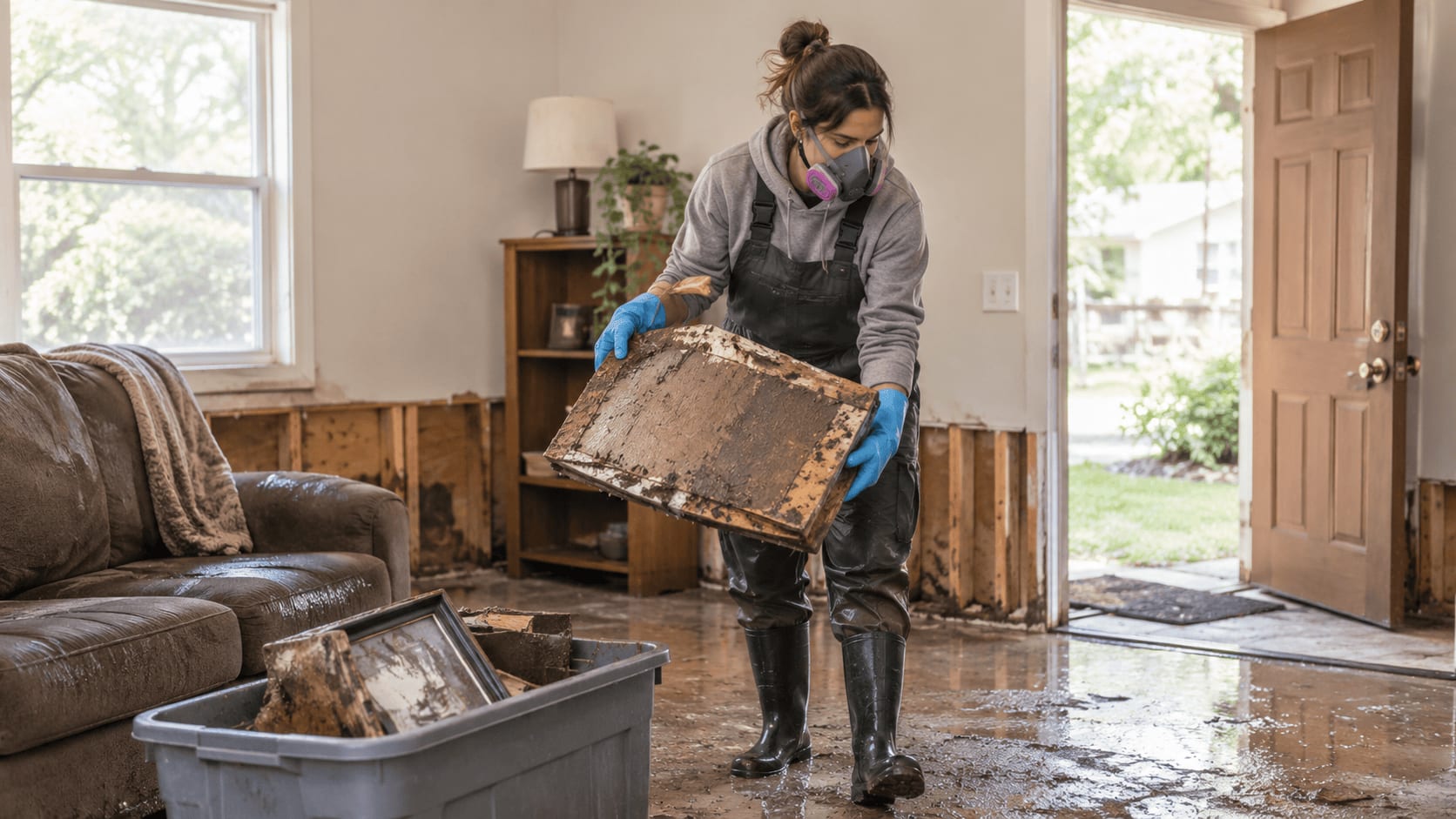
Floodwater leaves a mess behind. It leaves mud on floors. It leaves damp walls. It leaves ruined belongings. Many owners feel lost on the first day. That feeling is normal. Fear and stress add to the load.
This blog covers cleaning out a property after a flood. You will learn the safe order of work. You will learn what to keep. You will learn what to bin. Each step uses plain words. Each tip is easy to follow.
Every tip comes from trusted safety sources. You will also get a printable checklist. Use it in each room. Share it with helpers. Share it with your family. The goal is a safe and clean property. Take a deep breath now. Then begin.
In this blog, you will get the proper guidance to clean out a property after a flood by keeping yourself safe.
Stay Safe Before You Touch Anything
Safety comes first in cleaning out a property after a flood. Floodwater can carry sewage, chemicals, and germs. Walls and floors can be weak. Wires can be live. Check each hazard first.
Check the Structure
Wait for the all clear from local officials. Walk around the outside of the property. Look for cracks in the foundation. Look for leaning walls. Look for sagging floors. Leave right away at the sound of shifting or cracking. Never pull on a swollen door. It may hold up part of the building. Enter in daylight. Carry battery lights.
Switch Off Gas and Power
Gas leaks cause fires. Treat every smell of gas as an emergency. Leave the property. Call the emergency services. Do not strike a match. Do not touch a switch.
Power needs care too. Turn off the main supply from a dry spot. Call an electrician for any wet panel. Never stand in water near wiring. Never run a generator, grill, or camp stove inside. Carbon monoxide kills without warning.
Wear the Right Gear
Protect your body from the first minute.
- Wear an N95 mask.
- Wear goggles.
- Wear rubber gloves.
- Wear waterproof boots.
- Wear long sleeves and trousers.
- Wear a hard hat under damaged ceilings.
Work in pairs. Never lift over 50 pounds alone. Rest often. Drink safe water. Use boiled or bottled water during a boil advisory. Wash your hands with soap often. Keep children and pets away from the area.
Know What Kind of Water You Face
Not all water is equal. Clean water comes from a broken supply pipe. It carries the lowest risk. Gray water comes from washing machines and dishwashers. It can hold germs and chemicals.
Black water comes from sewage and rivers. It is highly contaminated. Treat all floodwater from rivers, storms, and heavy rain as black water.
Document Everything for Insurance
Photos protect your claim. Take photos and videos before you move anything. Film every room. Film the outside walls. Film the water line. Write a list of damaged items. Keep every receipt.
Call your insurer early. Ask what proof they need. Some insurers want to inspect ruined items. Keep a piece of damaged carpet or wall board as proof.
Standard home policies often skip flood damage. Read your policy for flood cover. This step matters in cleaning out a property after a flood. Throwing items away too early can weaken a claim.
Cleaning Out a Property After a Flood Step by Step
Follow one order. It saves time. It protects your health.
Step One: Remove Standing Water
Start with the water. Use a pump for deep water. Use a shop vacuum for the rest. Never use a household vacuum. Drain a flooded basement in stages. Remove about one third of the water each day. Rapid draining can crack basement walls. Wet soil outside pushes hard on them.
Step Two: Shovel Out the Mud
Mud dries hard. Shovel it out early. Hose down floors and walls. Rinse them several times. Work from the top down. Clear corners and cracks.
Step Three: Start Drying
Open every door and window. Set fans to blow air outside. Run dehumidifiers. Begin drying within 24 to 48 hours. Mold can start to grow in that window.
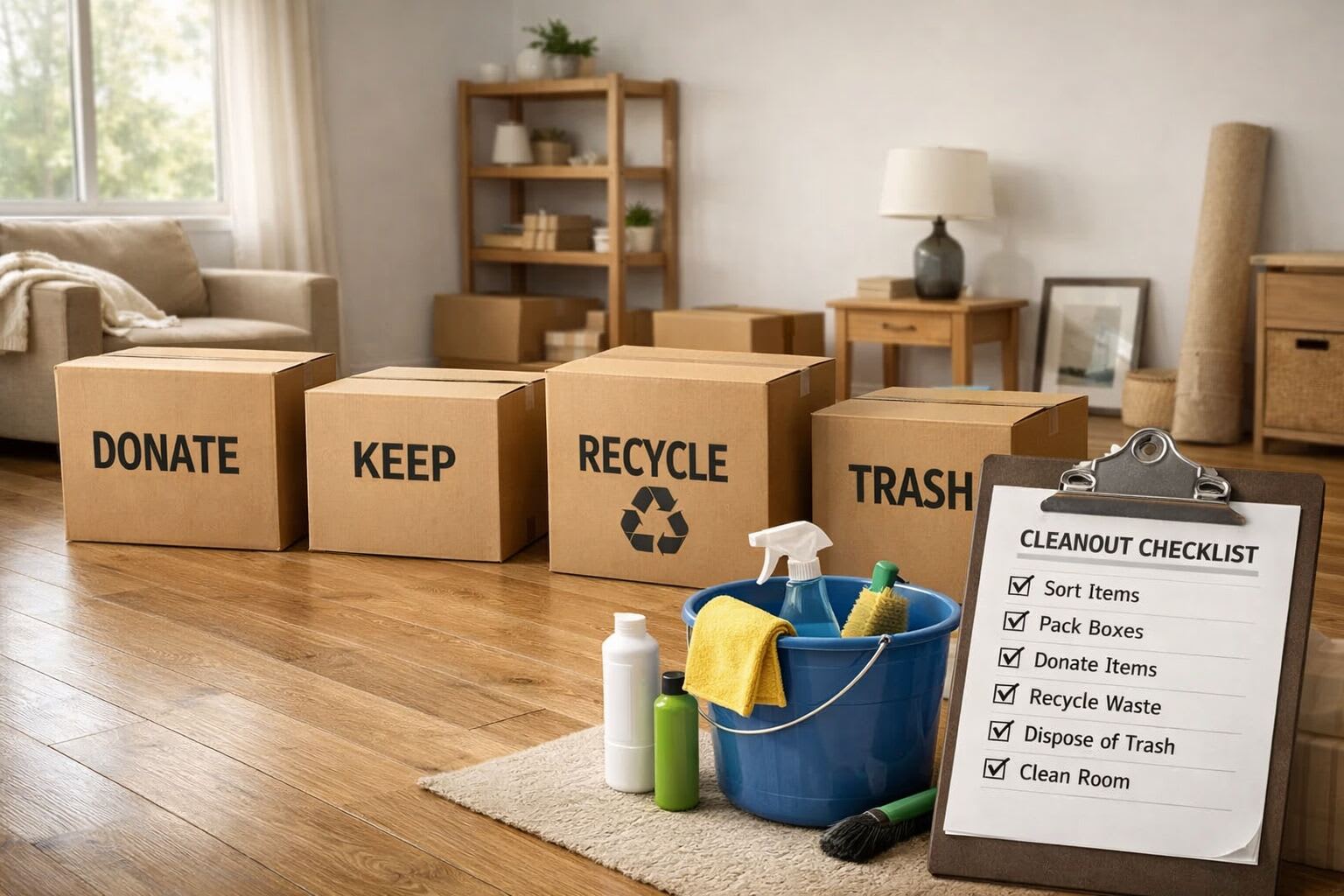
Your Post Flood Cleanout Checklist
Use this list in every room.
- Photograph all damage first.
- Turn off gas and power.
- Pump out water in stages.
- Shovel out mud and silt.
- Carry out wet items.
- Open soaked walls.
- Scrub every surface.
- Disinfect with a bleach mix.
- Dry the property for days or weeks.
- Check for mold each week.
- Keep every receipt.
What to Throw Away After a Flood
Floodwater soaks into soft items. Germs stay inside them. Cleaning cannot reach those germs. Cleaning out a property after a flood means hard choices.
- Throw out mattresses and box springs.
- Throw out carpet and carpet padding.
- Throw out upholstered sofas and chairs.
- Throw out pillows and stuffed toys.
- Throw out baby toys.
- Throw out cosmetics and medicine.
- Throw out particleboard furniture.
- Throw out wet insulation.
- Throw out drywall touched by floodwater.
- Throw out paper goods of low value.
Food needs its own rule. Throw out all fresh food. Throw out boxed food. Throw out food in jars. Throw out bottled drinks. Floodwater seeps under lids. Sealed metal cans are the only exception. Wash the can with detergent. Check the seal. Discard any can that bulges or dents. Sanitize a sound can with a bleach mix. Rinse it. Dry it.
Use one rule for doubtful items. Throw away anything you cannot clean and dry within 48 hours. That is what to throw away after a flood.
Salvaging Belongings After a Flood
Some items can be saved. Speed matters. Mold needs only a few days.
Items You Can Often Save
Hard items clean up well. Metal, glass, hard plastic, and ceramic can be scrubbed. Wash them with hot water and detergent. Rinse them. Disinfect them with a bleach mix. Let them air dry. Throw out soft plastics.
Do not plug in wet electronics. Do not run wet appliances. Ask an electrician or repair shop to check them.
Papers and Photos
Never leave wet paper in a pile. It fuses into one lump. Rinse off mud with clean water. Blot gently. Do not rub. Place items in freezer bags. Freeze them until you have time. Freezing halts mold growth. Keep these bags away from food. A restoration firm can dry them later.
Passports, birth records, and other certificates can be replaced. Ask the issuing office about replacements.
Clothes and Fabrics
Shake off dried mud outdoors. Rinse washable clothes. Wash them with detergent. Dry them fully. Wash cleanup clothes apart from clean laundry. Send silk and wool to a dry cleaner. Tell the cleaner about any sewage. Throw out worn items. Spend your time on valuable pieces.
Salvaging belongings after a flood is slow work. Start with the items you value most.
Flood Damaged Furniture Removal
The furniture is heavy. Wet furniture is heavier. Do not lift it alone. Slide pieces onto a plastic sheet. Drag them outside. Mattresses, sofas, and particleboard units usually go. Removing them lowers the moisture inside the property.
Keep real wood pieces. Wash them outdoors. Disinfect them. Dry them slowly in a shaded, airy place. Direct sun warps wood. Heat warps wood. Open drawers to speed drying. Leave them in place. Watch for warping. Ask a specialist about antiques.
Photograph each piece before removal. Keep a few items outside for the adjuster. Tag them. Flood damaged furniture removal is easier with a helper. Hire a hauler for large loads.
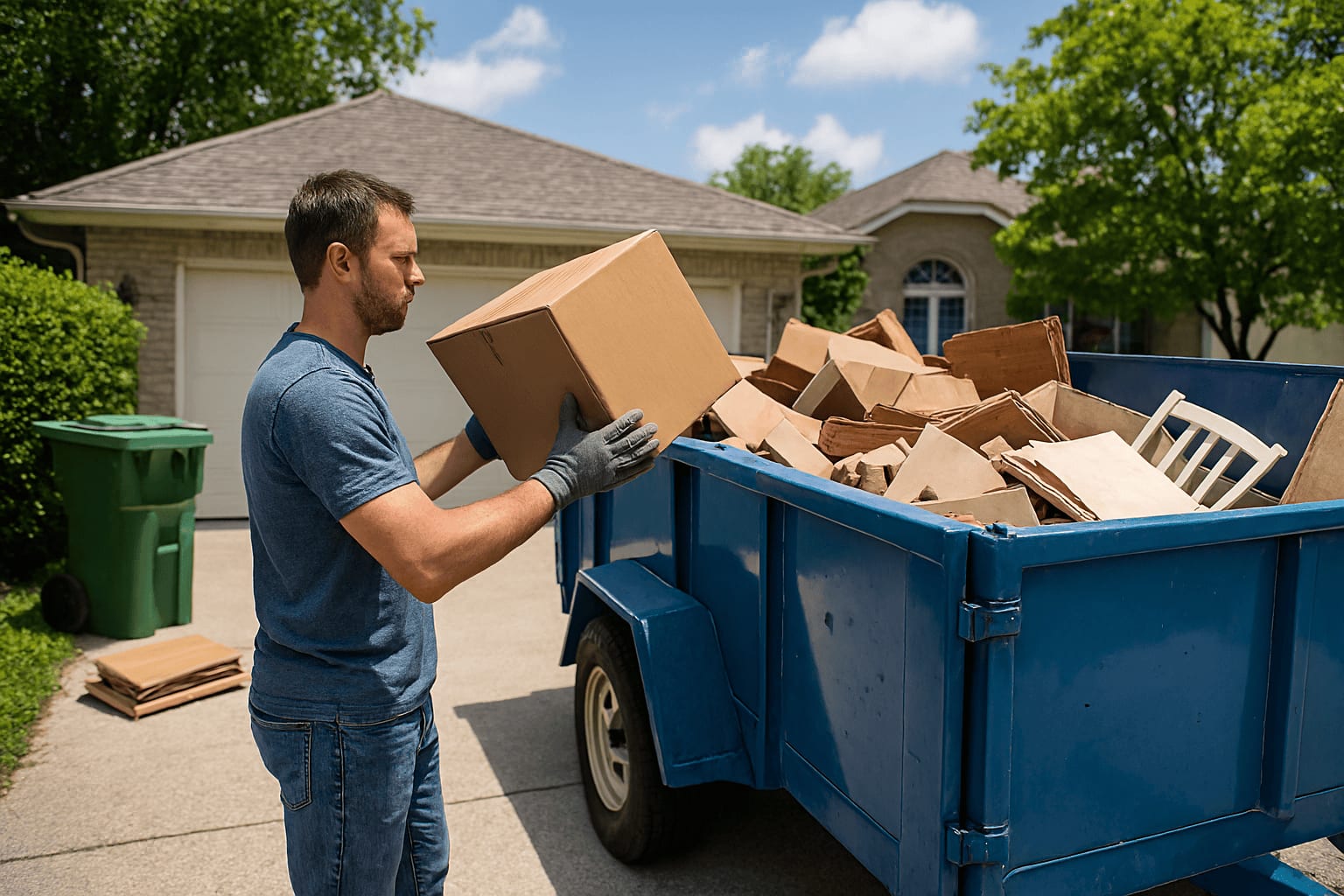
Flood Debris Disposal
Debris piles up fast. Sort it into groups. Use one pile for household items. Use one pile for building materials. Use one pile for electronics and appliances. Use one pile for garden waste. Keep chemicals apart.
Call the fire department about propane tanks and chemicals. Do not move them yourself. Wear insulated gloves around car batteries. Acid can leak from them.
Check local rules for flood debris disposal. City offices set pickup days. Items touched by sewage may need tags. Follow local rules for them. Never burn debris. Smoke harms lungs. Keep walkways clear. Do not let garbage pile up. Pests move in. Standing water breeds mosquitoes.
Clean and Disinfect Every Surface
Floodwater leaves germs on every wall, floor, and shelf. Clean each surface with care to protect your health.
Walls and Ceilings
Walls come first. Remove drywall and insulation touched by floodwater. Cut at least one foot above the water line. Water can climb walls. It may reach two feet above the line. Check with a moisture meter. Open wet cavities. Let them dry fully.
Floors and Hard Surfaces
Scrub hard surfaces with hot water and detergent. Then disinfect. Mix 1 cup of bleach with 1 gallon of water. Wear goggles, gloves, and a mask. Open windows. Never mix bleach with ammonia. The fumes are toxic. Clean toys with 1 cup of bleach in 5 gallons of water. Wash up with soap after work.
Dry the Property and Watch for Mold
Drying takes time. Walls can need weeks. Some need months. Keep fans and dehumidifiers running. Do not close walls too soon. Hidden damp spots grow mold.
Check each week. Look for dark spots. Sniff for a musty smell. Clean small patches with the bleach mix. Fix roof and pipe leaks soon. Have a licensed technician inspect furnaces, water heaters, and wiring before use. Ask a plumber to disinfect the water lines. Mold control is the last stage of cleaning out a property after a flood.
Protect Your Health During Cleanup
Cleanup puts heavy strain on your body. Small habits protect you from illness and injury.
Skin, Hands, and Wounds
Floodwater can enter cuts. Wash any cut with soap. Apply antibiotic ointment. Cover it. Seek medical care for any injury or sickness. Wash cleanup clothes in hot water with detergent. Keep them apart from clean laundry. Shower after each work session.
Stress and Rest
Cleanup tires the body. It tires the mind too. Pick the top tasks for each day. Do those first. Take breaks in shade or a cool room. Drink water often. Talk with family, friends, or a counselor.
When to Call a Professional
Some jobs need an expert. Call one for sewage. Call one for structural cracks. Call one for wet wiring. Call one for large mold patches. Insurers may ask for licensed work. Costs rise fast. Get a written quote first.
Cleaning out a property after a flood is hard physical work. Rest when you tire. Ask friends for help. Talk with family or a counselor about the stress.
You can contact WeCycle to get the professional cleaning out your property after a flood. They offer the best service at an affordable pricing. Contact them today!
Final Thoughts
Finally, cleaning up after a flood is never easy, and it can feel overwhelming at times. Take things slowly, one room at a time. Follow your checklist, keep a record of damaged belongings, and save only what can be safely cleaned.
Remember, you don't have to do everything alone. Reach out to family or friends for support, and talk to someone if the stress becomes too much. Be patient with yourself. Recovery takes time, and small steps matter.
FAQ: How to Clean Out a Property After a Flood
1. What should I do before starting flood cleanup?
First, make sure the property is safe to enter. Check for damaged walls, floors, gas leaks, and electrical problems. If anything looks unsafe, call a professional before starting.
2. How long does it take to clean a property after a flood?
It depends on how badly the property was damaged. Removing water and mud may take a few days, but drying walls, floors, and furniture can take several weeks.
3. Can I save furniture damaged by floodwater?
Some furniture can be saved. Wooden, metal, and plastic items can often be cleaned. However, soaked sofas, mattresses, and particleboard furniture usually need to be thrown away.
4. How do I stop mold from growing after a flood?
Start drying the property as soon as possible. Open windows, use fans and dehumidifiers, and remove wet materials that cannot be saved. Check damp corners and hidden spaces regularly.
5. Should I throw away everything touched by floodwater?
No. Some belongings can still be saved if they can be cleaned and dried properly. Take photos of damaged items before throwing them away, especially if you plan to make an insurance claim.
Tabassum Kabir is a content writer who enjoys digging into new topics and turning her findings into clear, useful content. She keeps her writing simple, honest, and easy to follow, making her work engaging for any reader.
Need junk gone fast? See pricing in your area
Enter your zip code to see if Wecycle operates in your location.