BLOG / TIPS
Fall Yard Cleanup Checklist: 15 Must-Do Tasks Before Winter
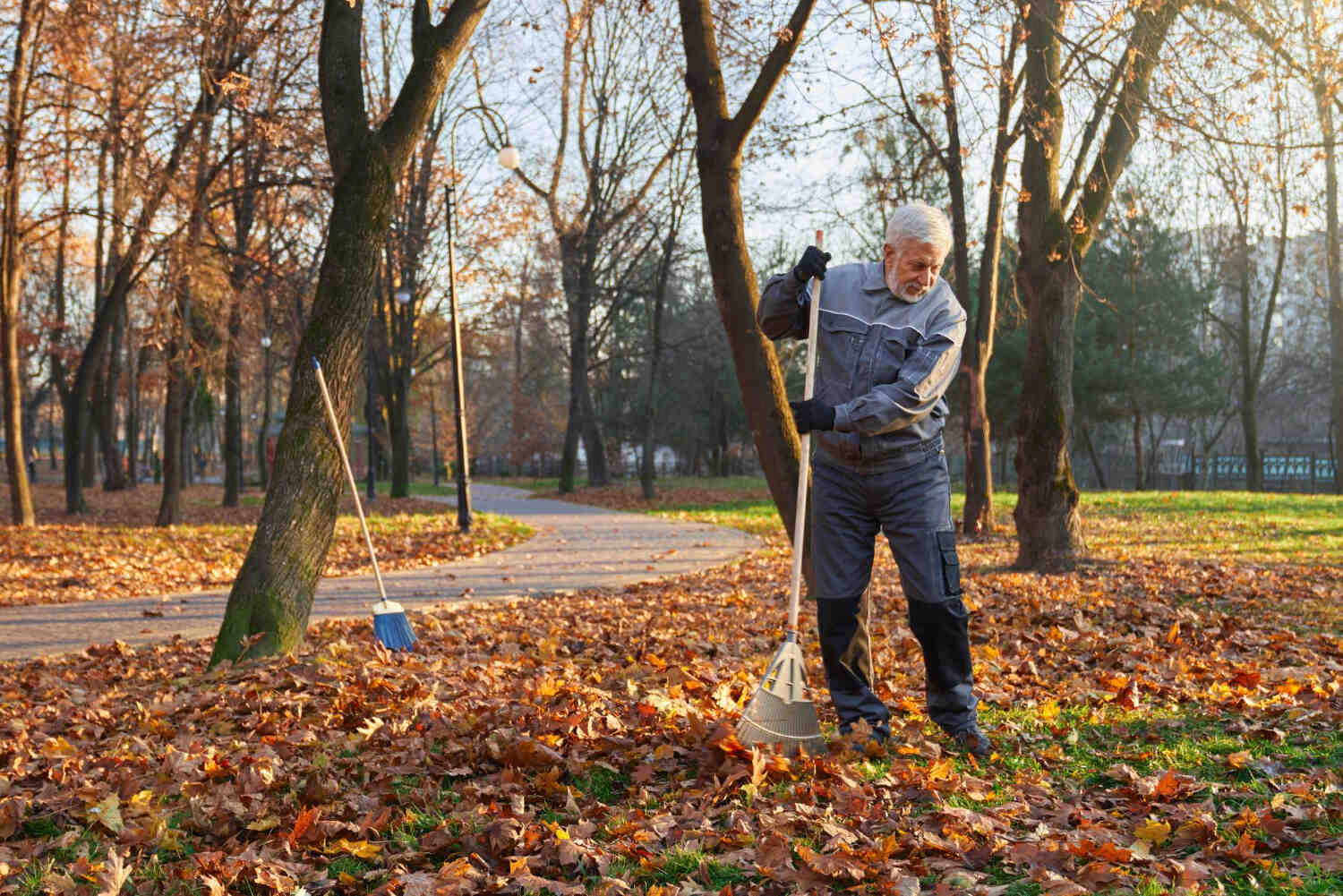
The leaves are falling, temperatures are dropping, and your lawn is sending you a clear message: winter is coming, and it's time to prepare.
Fall yard cleanup isn't just about keeping up appearances, it's your lawn's best defense against harsh winter conditions. Skip these crucial tasks now, and you'll be facing dead patches, stubborn weeds, and costly repairs when spring rolls around.
The good news? You don't need to spend entire weekends or hire expensive professionals. With the right strategy and this proven checklist, you can efficiently prepare your yard for winter and set yourself up for a gorgeous, healthy lawn next spring.
Whether you're drowning in leaves, unsure about fertilizing, or debating if aeration is worth it (it definitely is), this guide breaks down the 15 essential tasks that make all the difference. These are the same strategies professional landscapers rely on to protect lawns through winter and ensure they bounce back beautifully.
Ready to tackle fall yard cleanup the smart way? Let's dive into the must-do tasks that will save you time, money, and headaches in the months ahead.
Why Fall Yard Cleanup Matters (More Than You Think)
Fall yard cleanup directly impacts your lawn's survival through winter and its health next spring. When leaves and debris pile up on your grass, they block sunlight, trap excess moisture, and create conditions for snow mold and other fungal diseases. This suffocates your turf and kills grass roots, leaving you with dead patches that require reseeding and costly repairs in spring.
Completing your fall cleanup properly strengthens your lawn before it goes dormant. Removing debris allows grass to breathe, while tasks like aeration and fertilization give roots access to oxygen, water, and nutrients they need to survive freezing temperatures. A well-maintained lawn in fall emerges healthier and thicker in spring, requiring less work and fewer treatments to look its best. The time you invest now directly reduces the effort and money you'll spend fixing problems later.
The 15 Must-Dos of Fall Yard Cleanup
Before we dive into the details, remember that timing is everything when it comes to fall yard care. Getting started early ensures your lawn and garden are protected long before the first frost hits, setting the stage for a healthy, vibrant yard come spring.
1. Clean out debris
Fallen leaves and overgrown weeds create the perfect winter hideout for pests and rodents. Take time to clean out your flower beds and garden areas to keep unwanted visitors from nesting near your home. Be extra careful with rose beds, their leftover foliage can easily spread disease if left through the cold months.
Safety tip: Dry leaves, twigs, and branches don’t just attract pests, they’re also a serious fire hazard. Regularly clear away debris and compost it properly to keep your yard safer, cleaner, and ready for the next season.
2. Clean up the vegetable garden
Once you’ve gathered the last of your garden’s harvest, it’s time to give your soil some end-of-season care. Clear out spent vegetable plants and any leftover debris, but work smart not harshly. The USDA Extension suggests keeping your soil’s natural structure intact to promote long-term health and productivity.
Instead of tilling, gently pull plants by hand to preserve beneficial fungi and microbes that feed next year’s crops. Use a broadfork to loosen and aerate the soil, allowing oxygen and moisture to reach deep roots without disrupting layers. And don’t rush to bag up those fallen leaves they make an excellent organic mulch, slowly breaking down over winter to enrich the soil.
Pro tip: Toss your garden waste into a compost bin rather than the trash to take an eco-friendly approach. Composting vegetable scraps and leaves creates nutrient-rich humus that boosts soil fertility and keeps organic waste out of landfills, a win for your garden and the planet.
3. Cut off unwanted branches
Take a little time to cut off any dead, damaged, or diseased branches you may have missed during the summer. Prune any overgrown or awkwardly placed limbs that could pose a problem once heavy snow or ice sets in. A few minutes of pruning now can prevent a major headache later, no one wants a broken branch landing on their roof, car, or power lines.
Pro tip: In areas prone to winter storms, proactive pruning not only protects your property but also keeps your trees healthier by preventing stress and splitting under the weight of snow and ice.
4. Remove debris from gutters
Fall and winter bring heavy rainfall and snow across most of the U.S., making gutter maintenance critical before the wet season hits. Clogged gutters filled with leaves, twigs, and debris can't channel water properly, leading to overflow that damages your roof, siding, and landscaping. Clear out all debris using a sturdy garden trowel or gutter scoop, then flush the entire system with a hose to ensure water flows freely.
Pro tip: Don't stop at the gutters, your downspouts need attention too. Check that downspouts extend at least 4-6 feet away from your foundation and aren't clogged with compacted leaves. Blocked downspouts can cause thousands of dollars in foundation cracks and basement flooding. If water pools near your foundation, add downspout extensions or a splash block to redirect runoff and protect your home's structural integrity.
5. Dry everything out
Before winter hits, make sure to dry out and store all your outdoor gear hoses, sprinklers, planters, and patio furniture. Moisture left behind can freeze, crack, or cause rust damage during the cold months. Drain water from hoses and irrigation systems to prevent bursting, and give furniture a quick wipe-down before covering or moving it inside. Taking a few minutes now to dry everything out will save you from costly replacements in spring.
6. Aerate the lawn
Give your lawn some room to breathe by loosening compacted soil. This prevents water from pooling and helps nutrients reach the roots all winter long. For small yards, a garden fork works perfectly, but if you have a larger lawn, a walk-behind aerator is more efficient and most local garden centers or equipment rental stores offer them at a reasonable price.
Best times to aerate by region:
-
Northern U.S. – Early to mid-September is ideal for cool-season grasses like Kentucky Bluegrass and Fescue. This gives the roots time to recover before the first frost.
-
Mid-Atlantic/Central U.S. – Aim for late August through mid-October in transitional zones where grass types vary. Aerating during this window promotes stronger root growth going into winter.
-
Southern U.S. – Skip fall aeration for warm-season grasses like Bermuda and Zoysia. Instead, plan to aerate in late spring to early summer when the grass is actively growing and can bounce back quickly.
Pro tip: After aerating, consider overseeding or topdressing with compost to give your lawn an extra nutrient boost and set it up for a lush spring green-up.
7. Boost lawn growth
Prepare your lawn for the harsh winter months by giving it the nutrients it needs to thrive. Apply a fall lawn fertilizer rich in phosphorus to promote strong root growth, helping your grass come back thick, healthy, and green in the spring.
Pro tip: Always follow the label instructions carefully when using phosphorus-based fertilizers. Wear gloves, long sleeves, and safety goggles to protect your skin and eyes from any accidental contact, and consider lightly watering your lawn afterward to help the nutrients soak in and reduce runoff.
8. Leaf Raking & Mulching
Fall leaves are gorgeous, but when they blanket your lawn, they can smother the grass and create unhealthy conditions.
Rake them up or mulch them with a lawn mower to save time, shredded leaves make an excellent natural mulch for trees, shrubs, and flower beds. Mulching not only returns valuable nutrients to the soil but also helps control weeds and insulates roots against early frosts. For extra efficiency, mow over thin layers of leaves regularly instead of letting them pile up, and consider adding them to a compost pile for long-term yard benefits.
Safety tip: Wet leaves can be extremely slippery, and dry piles can pose a fire risk. Always let your mower cool down before cleaning, and keep leaf piles away from grills, fire pits, or other open flames. Wearing gloves and proper footwear while handling leaves will keep you safe and comfortable during cleanup.
Read Also: How to Dispose of a Grill: 5 Options for Safe Disposal
9. Prune trees and shrubs
Trim any dead branches and cut back overgrown trees and shrubs as part of your fall cleanup routine. For spring-blooming perennials like lilacs or forsythia, prune now to avoid sacrificing next year’s flowers. If you have fall-blooming plants, wait until they’ve finished flowering, usually late winter or early spring before trimming.
Safety tip: Keep your home visible from the street by thinning bushes and shrubs near windows and entryways. This not only enhances curb appeal but also deters burglars by removing hiding spots. Bonus tip: Removing low-hanging branches near walkways can prevent winter slips and keep your yard safe for guests and family.
10. Final mow for the season
Lower your mower to a short setting and give your lawn one final close cut before winter arrives. This helps prevent matting under snow and allows the soil to dry faster in spring, setting the stage for a thicker, healthier lawn.
Pro tip: Your mower has tackled months of work, so make sure the blades are sharp before this last mow. Dull blades can tear grass instead of cutting cleanly, increasing the risk of lawn disease and putting extra strain on your mower’s engine — a simple tune-up now can save you headaches later.
11. Divide and trim perennials
If your perennials grew this year, spread the love. Divide the plants and move them to other beds where they will thrive. This saves money and time during the spring. Perennials that bloom in the fall, such as chrysanthemums, should not be divided until the spring.
Which perennials should divide in the fall? Plants that bloom in the spring and early summer, such as peonies, hostas, iris, decorative grasses, and daylilies, are best divided now.
12. Protect cold-sensitive plants
Keep sensitive perennials, shrubs, and roses healthy during the cold winter months. To protect plants from freezing, spread mulch around the base and wrap them in textile barriers. Depending on the plant's hardiness and your climate, you can use a single sheet or blanket, or cover them in cloth and plastic.
Cold-Sensitive Plant Zones: Protecting plants that can’t handle freezing temperatures is essential in any USDA Hardiness Zone where winter lows exceed your plant’s tolerance. In areas where temperatures regularly dip to 25°F or lower, this becomes a top-priority task. Not sure about your zone? You can easily look it up online or consult a local garden center. Bonus tip: consider using frost blankets, mulch, or cloches to give extra protection; these simple steps can make the difference between a plant surviving winter or needing replacement in spring.
13. Plant bulbs, shrubs, and fall annuals
Some plants thrive when planted in the fall. Now is the time to plant new shrubs or spring bulbs, such as hyacinths. Fall annuals, such as pansies, are also an excellent way to preserve color in your yard while other plants go dormant.
Success tip: For proper results, plant bulbs six to eight weeks before the first hard freeze is expected.
14. Safeguard Your Deck
Giving the deck a good power wash will help prevent the growth of mold and mildew. If you do not own a pressure washer, you can rent one from a garden store. Once the deck has been cleaned and dried, apply a weatherproofing stain to protect the wood from moisture damage over the winter.
Success tip: To avoid slips and slides throughout the winter months, we recommend power-washing patios, porches, and walks. To improve traction, try using a non-slip coating with grit additives to texture steps and paths.
15. Clean and secure your tools.
Plants can get sick just like people and pets, so keeping your tools clean is key to preventing the spread of disease. Even if your gardening season is over, make sure to thoroughly disinfect your tools before storing them for fall and winter. Use an all-purpose cleaner or rubbing alcohol for smaller tools like pruners and loppers, and a bleach solution works well for larger metal tools such as shovels or hoes.
Pro tip: Your gardening and lawn tools are a valuable investment. Protect them by storing them in a secure, dry place. Consider adding a padlock to your shed or investing in a weatherproof, lockable outdoor storage box to keep your tools safe and ready for the next season. Proper storage also helps prevent rust, prolonging the life of your equipment.Humanize 133 words
With these 15 must-do tasks checked off, your yard is well on its way to surviving the winter in top shape. A little effort now goes a long way in preventing problems like plant disease, pest infestations, and spring cleanup headaches. Before you wrap up, keep these final tips in mind to ensure your lawn and garden stay healthy all season long.
Fall Yard Cleanup Schedule: September Through November
Not every fall yard cleanup task needs to be completed on the same weekend. Spreading the work over several weeks makes the process easier and helps you complete seasonal maintenance at the right time.
The following schedule works as a general starting point for many northern and transitional US climates. Adjust the timing for your region, grass type, and expected first frost.
| Month | Recommended Fall Yard Cleanup Tasks |
|---|---|
| September | Test soil, inspect lawn health, dethatch if necessary, aerate cool-season grass, and begin overseeding. |
| October | Rake or mulch leaves, control weeds, fertilize where appropriate, clean garden beds, inspect gutters, and continue mowing. |
| November | Remove remaining debris, complete the final mow when growth stops, drain hoses, winterize irrigation, protect sensitive plants, and store garden equipment. |
Early Fall: Focus on Lawn Recovery
During early fall, prioritize tasks that need active grass growth and sufficient time before freezing temperatures. Aerating, overseeding, and certain lawn treatments work best when soil temperatures still support healthy root development.
Mid-Fall: Handle Leaves and Garden Debris
As trees begin shedding leaves, remove heavy accumulations from your lawn and walkways. Cut back damaged vegetation where appropriate, clean vegetable beds, and check drainage areas.
Don't wait until every leaf has fallen if thick layers are already covering your grass.
Late Fall: Finish Winter Preparation
Once most leaves have fallen and grass growth has slowed, focus on final cleanup and equipment protection.
Drain irrigation equipment, store tools, inspect outdoor structures, and remove remaining debris from high-traffic areas.
Pro tip: Pay attention to the first expected hard freeze rather than relying only on calendar dates. A fall cleanup schedule in Minnesota will look different from one in Georgia or Texas.
DIY Fall Yard Cleanup vs. Hiring Professionals
Many fall cleanup tasks are manageable with basic gardening tools and a little planning. However, larger properties, heavy debris, and potentially dangerous maintenance jobs may require professional assistance.
DIY cleanup is often suitable for routine leaf raking, basic garden maintenance, light pruning, and tool storage.
Professional help may be a better choice when:
-
Your property has large amounts of leaves, branches, or overgrown vegetation.
-
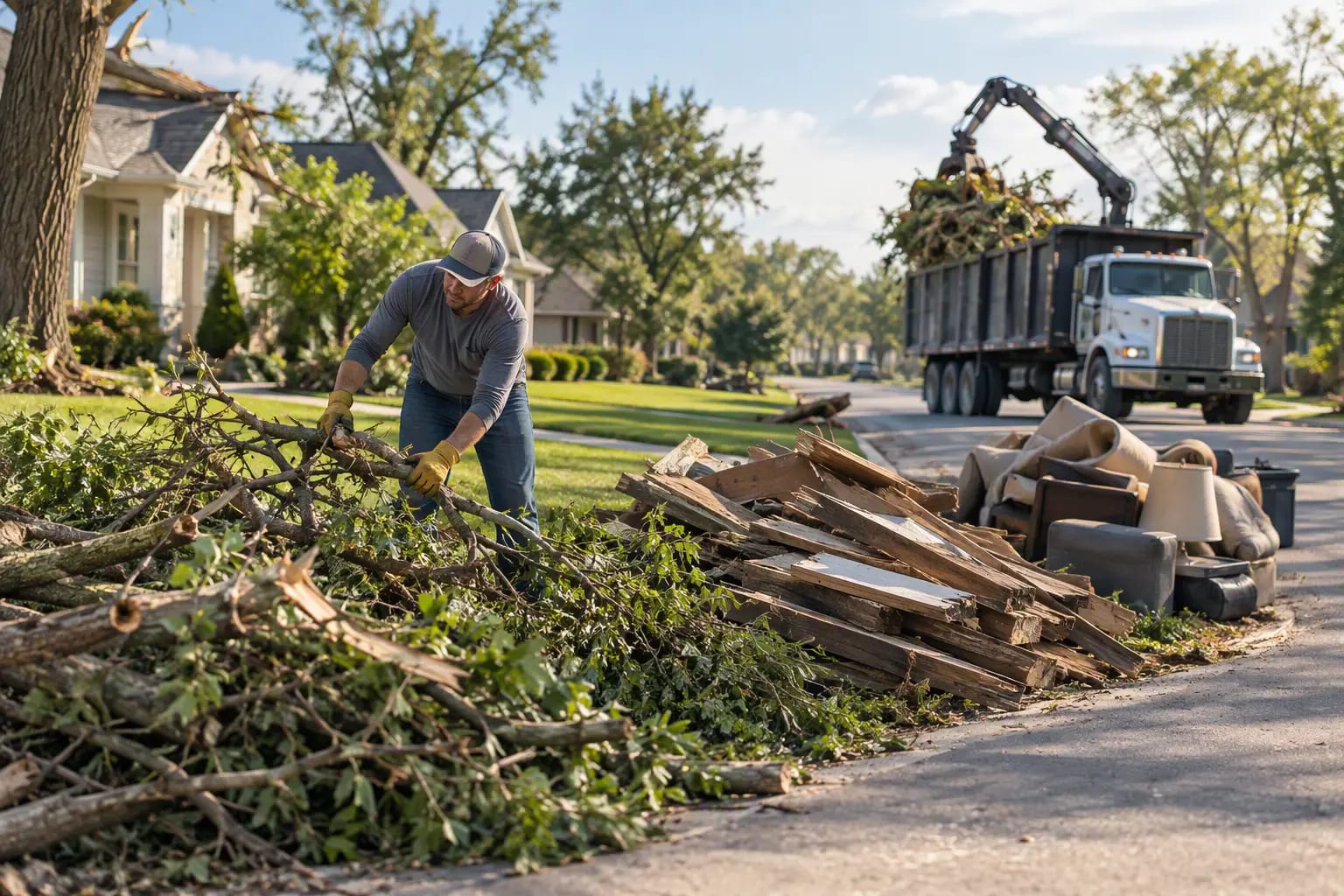
Storm damage has created heavy or unstable debris.
-
Tree limbs are too high or large to remove safely.
-
You need specialized equipment for lawn aeration or irrigation winterization.
-
Your cleanup generates more debris than local curbside collection accepts.
-
You have bulky unwanted outdoor items that require lifting and hauling.
Before hiring a service, determine whether you need landscaping, tree care, yard waste collection, or general junk removal. These services handle different kinds of work, and not every provider accepts the same materials.
For example, landscapers typically focus on lawn and plant maintenance, while junk removal services may be better suited to clearing eligible bulky unwanted items, such as old outdoor furniture or broken garden equipment.
WeCycle cleanup tip: After completing your fall yard work, check whether WeCycle can collect eligible unwanted outdoor items in your area. Confirm accepted materials before booking, especially if your cleanup includes loose leaves, soil, or large quantities of organic debris.
Wrap up
With your fall yard cleanup complete, you can relax knowing your lawn and garden are ready for winter. Taking these simple steps now saves time and stress in the spring and sets the stage for a greener, healthier yard next year. Your outdoor space will thank you!
FAQs: Fall Yard Cleanup Checklist
What is the best time for fall yard cleanup?
The ideal time is after most leaves have fallen but before the first hard frost. This usually means late October to early November, depending on your region.
What tools do I need for a fall yard cleanup?
Essential tools include rakes, leaf blowers, pruners, garden gloves, shovels, and a wheelbarrow. Don’t forget disinfectants to clean your tools before storing them for winter.
How can I prevent plant diseases during fall cleanup?
Remove dead or diseased plant material, rake fallen leaves, and disinfect your tools regularly. Proper pruning and soil care also help prevent disease over the winter.
Should I fertilize my lawn in the fall?
Yes! Fall is a great time for fertilization because it strengthens roots and prepares your lawn for winter dormancy, promoting a healthier, greener lawn in spring.
How long does a thorough fall yard cleanup take?
It depends on yard size and tasks, but most homeowners spend 3–6 hours on a comprehensive cleanup, including leaf removal, pruning, fertilizing, and tool maintenance.
Sabbir Kabir is a content manager at WeCycle with over 5 years of experience in creating content about junk removal services, eco-friendly waste disposal, and sustainable recycling practices. Passionate about promoting environmental responsibility, Sabbir shares actionable insights to help homeowners and businesses adopt greener, cleaner waste management solutions.

Need junk gone fast? See pricing in your area
Enter your zip code to see if Wecycle operates in your location.