BLOG / OTHER
How Professional Junk Removal Helps Property Managers
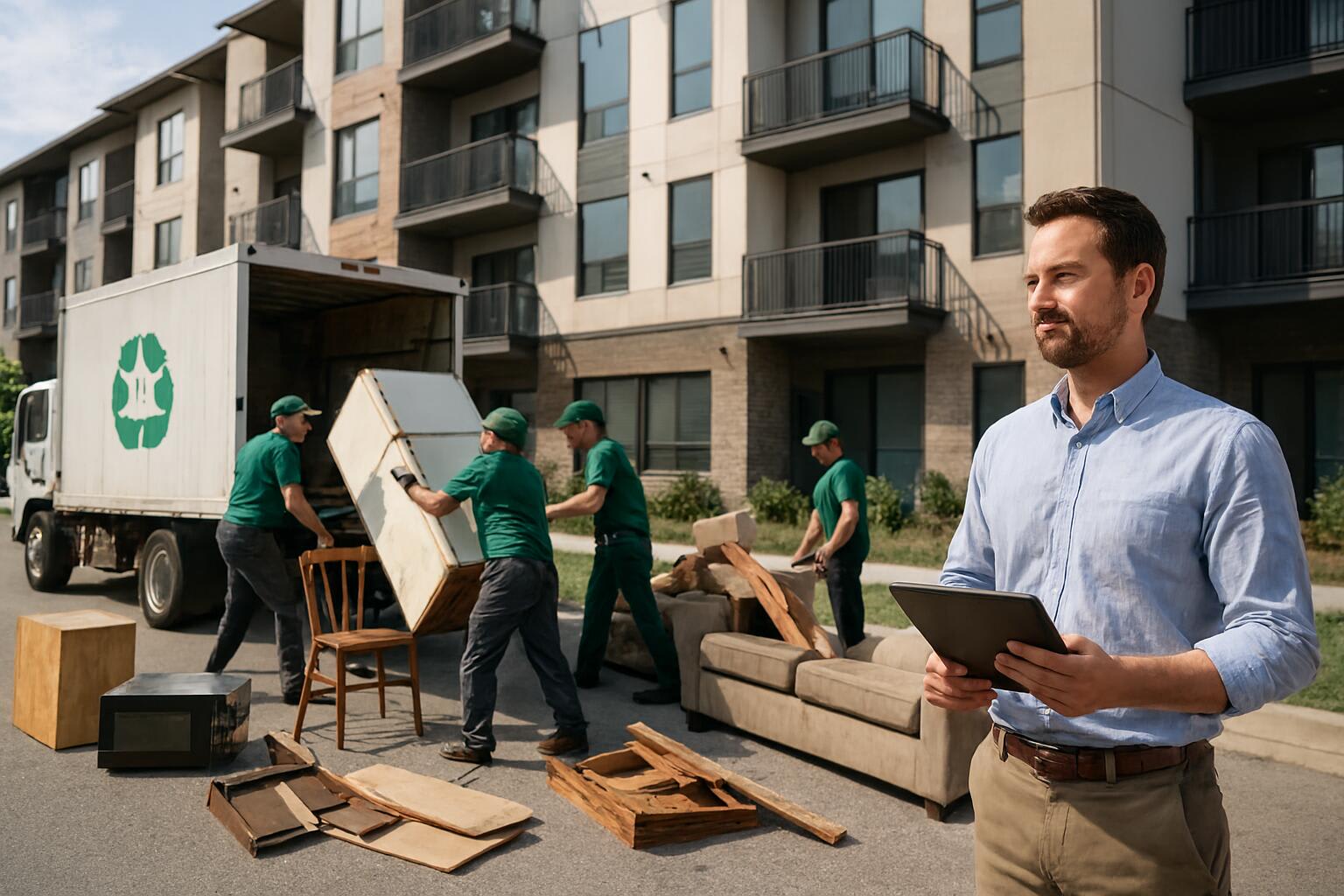
Rental turnovers rarely go smoothly. A tenant moves out, and you walk into a unit packed with old mattresses, broken chairs, and bags of trash they promised to “pick up later.” Meanwhile, the clock keeps ticking.
In the U.S., the average rental vacancy rate stays around 6–7%, and every empty day means lost income. One extra week can easily cost hundreds of dollars in missed rent.
This is where junk removal for property managers becomes a real advantage. A professional junk removal crew clears abandoned items quickly, helps managers prepare units faster, and keeps properties clean and presentable.
Instead of arguing with former tenants or hauling heavy furniture yourself, you move straight into cleaning, repairs, and showings. The property looks better, turnover moves faster, and rental income resumes without unnecessary delays.
What to Do When a Tenant Leaves Behind Property

Tenants often leave items behind after move-out or eviction. You may find furniture, boxes, clothes, or even appliances. This happens more often than many property managers expect. Before you remove anything, you must follow your state’s landlord-tenant laws.
According to Nolo, most states require landlords to give written notice before disposing of abandoned property. The notice must clearly list every item left behind in detail. Ask a neighbor or another tenant to witness your inventory. Do not open locked boxes or suitcases. Take photos or videos for proof.
The notice must also tell the tenant where you store the items and how long they have to claim them. State the deadline for reclaiming the property, typically 7 to 10 days. Also, explain what you will do if the tenant does not respond. Some states require you to send this notice by certified mail.
Storage rules vary. For example, under the Minnesota Legislature statute 504B.271, if a tenant abandons a unit, the landlord may take possession of the personal property but must store and care for it. The landlord may sell or dispose of the items only after 28 days from actual notice of abandonment or when abandonment reasonably appears, whichever is later.
Before any sale, the landlord must give written notice at least 14 days in advance by first-class and certified mail to the tenant’s last known address and post notice on the premises. The landlord may deduct reasonable removal and storage costs from the sale proceeds, and must return any remaining money to the tenant upon written demand.
If the landlord refuses to return stored property within 24 hours of written demand (or 48 hours if stored off-site), the tenant may recover up to twice actual damages or $1,000, plus attorney’s fees.
You may safely remove items only after you give proper notice and the required holding time passes. Always check your local law before taking action.
How Junk Removal Services Benefit Property Managers
Now that you understand the legal side, let’s look at the business side. Professional junk removal does more than clear space. It helps you move units faster, control costs, and avoid last-minute problems.
Below, we’ll break down how it improves turnover speed, handles eviction junk removal cleanouts, protects your property’s image, ensures proper disposal, and supports long-term growth for your management business.
Streamline Your Property Turnover Process
Move-out day rarely goes as planned. You expect an empty unit, but instead you find old sofas, broken chairs, bags of trash, and items stuffed in closets. Before you can clean or repair anything, you must deal with the junk. That delay affects your entire schedule.
Leftover items slow down cleaning crews and contractors. Painters, flooring installers, and maintenance teams cannot start work. Showings get postponed. What should take one day can stretch into several days.
Same-day junk removal solves this problem. A professional team clears furniture, trash, and bulky items in one visit. The unit becomes ready for deep cleaning immediately. Repairs begin faster. You list the property sooner and show a clean space to prospects.
Vacancy costs add up quickly. If rent averages $1,800 per month, that equals about $60 per day. A five-day delay costs around $300. Across multiple units, those losses grow fast. Quick removal protects your income and keeps turnover on track.
A 12-unit property averages $1,600 per month in rent. One unit sits vacant for 6 extra days due to junk delays. That equals roughly $320 lost. Across 4 turnovers in a year, that’s over $1,200 gone just from slow cleanouts.
Eviction Clean Outs for Property Managers

Eviction cleanouts are more complex than regular move-outs. Tenants often leave large furniture, broken appliances, mattresses, and heavy debris behind. Some units may also contain spoiled food, trash buildup, or damaged items that create strong odors and health concerns. These conditions require careful handling and fast action.
Removing bulky items from upper floors or tight hallways takes time and proper equipment. Without help, you risk injury and delays. Professional crews handle heavy lifting, sort items quickly, and restore the space for cleaning and repairs. This approach supports efficient property cleanouts and helps you move forward without disruption.
Typical eviction cleanout costs range from $300 to $1,500, depending on volume, access, and labor required. Fast service reduces downtime and protects rental income.
Avoid Unexpected Disposal Costs and Budget Surprises
Last-minute junk removal usually costs more than scheduled service. Standard junk removal for a small load often ranges from $150 to $300. A full truckload can range from $500 to $800, depending on volume and labor. When you book emergency or same-day service, prices can increase by 20% to 50%. After-hours or weekend requests may add another $100 to $200.
Planned scheduling helps you avoid these extra charges. Many property managers set up ongoing service agreements to secure better rates across multiple units. Predictable pricing allows you to estimate turnover costs clearly, protect margins, and keep rental operations financially stable.
Protect Your Property’s Value and Curb Appeal
Clutter in common areas creates immediate problems. Old furniture in hallways, mattresses near dumpsters, and boxes on balconies make the property look poorly managed. Prospective tenants notice these details right away. First impressions shape their decision before they even step inside a unit.
Current residents also pay attention. When shared spaces stay clean, tenants feel proud of where they live. When junk builds up, frustration grows, and lease renewals drop.
Loose debris can also attract pests and block drainage areas. Over time, this leads to structural damage and higher maintenance costs. Fast removal protects both appearance and long-term value.
Guarantee Environmental Compliance and Proper Disposal

Property managers must follow local and state waste laws when removing appliances, electronics, and large household items. Many items need special handling. Refrigerators and air conditioners contain refrigerants. TVs and computers contain electronic parts that require approved processing. Illegal dumping can lead to fines of hundreds to thousands of dollars.
Professional junk removal for property managers follows proper steps. Crews sort items on-site. They separate metal, cardboard, and recyclable materials. Appliances go to licensed recycling centers. Electronics go to certified e-waste facilities.
Usable furniture and household goods can be donated to local charities. Restricted materials go to approved disposal sites. These structured property management waste solutions reduce legal risk and keep your properties compliant.
Also Read: Eco-Friendly Junk Removal: The Complete Guide to Sustainable Waste Disposal
Residential Junk Hauling for Property Managers
Residential junk hauling gives property managers flexible options during turnovers and cleanouts. In 2026, single-item removal typically starts around $75 to $100, depending on size and location. Small load pickups often range between $150 and $350, while full truckloads usually cost $500 to $800 based on volume and labor.
On-demand pickup allows you to schedule service quickly when a unit becomes vacant. Bulk removal handles furniture, appliances, and large debris in one visit. Many providers also offer outdoor pickup options to save time. Digital booking and upfront pricing make planning easier and help you manage turnover costs with confidence.
Help Your Property Management Business Grow

Strong systems build strong portfolios. When you use junk removal for property managers, you reduce delays, protect rental income, and keep every unit on schedule. Faster turnovers mean less vacancy and steady cash flow. Your team spends less time handling debris and more time leasing units and managing tenants.
Multi-unit property cleanouts allow you to handle several vacancies at once without losing control. Full-service junk removal removes heavy items, sorts materials, and clears spaces in one visit. Tenants notice clean hallways and quick responses. That improves satisfaction and supports higher renewal rates.
Over time, consistent service strengthens your professional reputation. Owners trust you. Tenants stay longer. Your operations run smoother, and your business grows with confidence.
Also Read: 10 Best Junk Removal Companies in the USA
Who Benefits Most from Professional Junk Removal?

Professional junk removal provides the greatest value to property managers who handle frequent turnovers, abandoned items, and time-sensitive cleanouts.
- Multi-unit apartment managers
- Single-family rental investors
- HOA property managers
- College housing operators
- REO / foreclosure property managers
Conclusion
Property management demands speed, clarity, and smart decisions. Delays cost money. Clutter damages reputation. Missed deadlines reduce income. When you bring in junk removal for property managers, you remove more than unwanted items. You remove stress, wasted time, and unexpected expenses.
Fast cleanouts keep units ready. Clean spaces attract better tenants. Organized operations protect your cash flow and strengthen your portfolio. Instead of reacting to problems, you stay ahead of them.
Strong systems build strong properties. When turnover moves quickly, and disposal stays compliant, your business grows with confidence. Junk removal for property managers is not just a convenience. It is a practical strategy for protecting income, maintaining property value, and building long-term success.
FAQs About Junk Removal for Property Managers
Can a landlord throw away tenant belongings?
No. Most states require written notice, storage time, and clear documentation before disposing of abandoned tenant property legally.
How long must abandoned property be stored?
Storage periods vary by state, but most laws require holding abandoned property between 7 and 30 days before disposal.
How much does an eviction cleanout cost?
Eviction cleanouts typically cost between $300 and $1,500, depending on volume, labor, access difficulty, and disposal requirements.
How quickly can a rental unit be cleared?
Most professional junk removal crews can clear a rental unit within one day, depending on size and debris volume.
What items cannot be removed?
Hazardous waste, chemicals, paint, fuel, and certain regulated materials require special disposal and cannot be handled normally.
Shushmita Karmakar is an experienced content writer at Wecycle, with over 3 years of expertise creating clear, helpful, and SEO-focused content. She specializes in writing about junk removal, recycling, and sustainable waste solutions, helping readers make informed, eco-friendly choices. Her work combines practical insights with an easy-to-read style that connects with both homeowners and businesses.



Need junk gone fast? See pricing in your area
Enter your zip code to see if Wecycle operates in your location.