BLOG / HOW TO
How to Dispose of a Water Heater The Safe Way Without Any Stress?
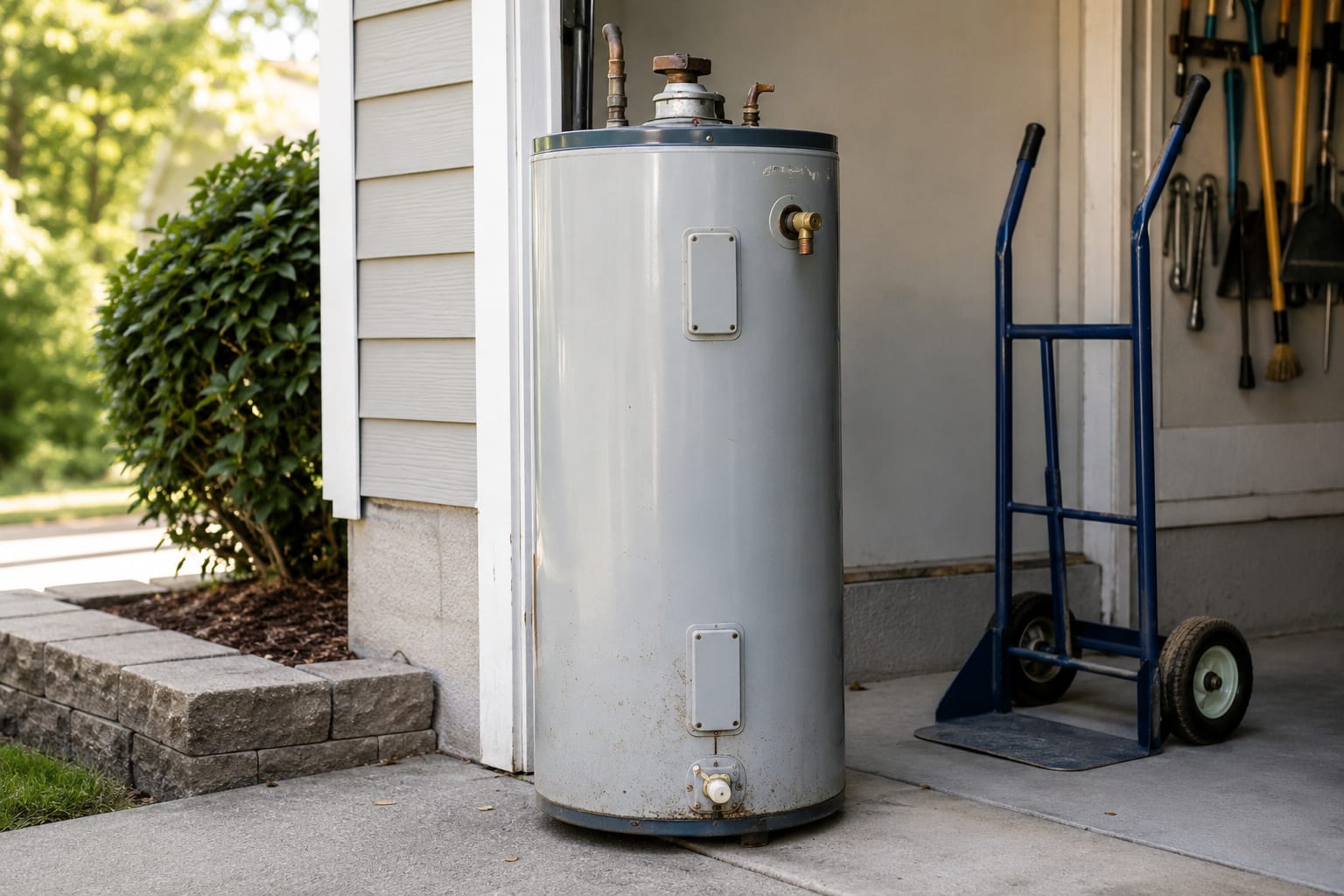
Have an old water heater that has finally given up? Maybe it’s leaking, maybe it’s rusty, or maybe it’s just taking up way too much space.
So, what do you do now? Good news: you have got plenty of options on how to dispose of a water heater, and most of them are easier than you think. From recycling to scraping it or letting someone else haul it away, old water heater disposal doesn’t have to be a headache anymore.
Read on to find out!
Signs It’s Time to Replace or Dispose of Your Water Heater
Knowing when to get rid of a water heater isn’t always so obvious. However, most units do give some clear warning signals long before they shut down completely. Such as the following:
- Visible leaks around the base of the tank
- Rusty or discoloured water coming from hot taps (e.g., internal corrosion)
- Strange noises like popping, rumbling, or banging
- Inconsistent or insufficient hot water
- Increased energy bills
- Water takes much longer to heat up
- Frequent repairs or breakdowns
- The tank feels excessively hot on the outside
- Age of the unit (10–15+ years)
- Visible rust or corrosion
Can You Throw a Water Heater in the Trash?
In short, no. At least, not legally, and safely.
This means that the water heaters are considered restricted waste in most areas, and you can’t simply leave them on the curb. Here’s why.
- Water heaters contain materials that require special handling, including: Steel and copper components, Insulation materials, potentially hazardous residues, and electrical or gas fittings.
- Most councils classify water heaters as bulky waste or restricted appliances, meaning they cannot go in household bins or be left on the street without booking a collection. Otherwise, it can lead to some hefty fines or penalties.
Therefore, it’s always a must to check in with the local council’s guidelines before attempting to dispose water heater.
What to Do Before Disposing of a Water Heater?
Before you think what to do with old water heater, a few essential steps will keep you safe and prevent leaks, damage, or hazards. Let’s check it out:
Turn Off Power or Gas Supply
Always start by disconnecting the energy source:
- For electric heaters: Switch off the breaker at the consumer unit.
- For gas heaters: Turn the gas valve to the OFF position.
- Double‑check that the unit is no longer heating before you continue.
Drain the Tank Completely
A full water heater can weigh over 100 kg, so draining it is essential.
- Attach a garden hose to the drain valve at the bottom.
- Run the hose to a floor drain or outside.
- Open the valve and allow all water to flow out.
- Open a hot tap in the house to help air enter and speed up draining.
Disconnect Pipes and Fittings
Once drained, disconnect the unit from your plumbing:
- Turn off the cold‑water supply.
- Use a wrench to loosen the hot and cold water connections.
- Cap or cover the pipes to prevent drips.
- Remove any electrical or gas connections (if unsure, call a professional).
Check for Hazardous Materials
Older water heaters might contain materials that require special handling:
- Some older units used asbestos‑based insulation.
- Damaged insulation tends to release fibres or dust.
- If you suspect hazardous materials, contact a licensed waste carrier.
How to Dispose of a Water Heater: 6 Best Ways
There’s no such thing as this is the right method on how to get rid of old water heater. Instead, it all depends on the location, the condition of the unit, etc. Below is the list of the most reliable options:
1. Take It to a Local Recycling Centre
Recycling is one of the most eco‑friendly and widely accepted disposal methods. The materials that can be recycled are:
- Steel tank
- Copper pipes
- Brass fittings
- Aluminium components
How to prepare it for drop‑off
- Drain the tank fully
- Remove any remaining pipes/fittings
- Transport it in a van, car boot, or trailer
- Follow the instructions, if mentioned
Council recycling rules
- Some centres may require proof of residency
- Others may have size/weight limitations
- Might need booking in advance
2. Scrap It for Cash
If you want to earn some extra money, scrapping is always a great option.
What scrap yards accept
- Steel tanks
- Copper tubing
- Brass valves
- Heating elements
What parts have the highest value
- Copper pipes
- Brass fittings
- Heating elements
- Any removable metal components
3. Use Council Bulky Waste Collection
Generally, most councils offer large‑item pickup services.
How to schedule a pickup
- Visit the council’s website
- Book a collection date
- Place the heater outside on the agreed day
What councils accept
- Most accept water heaters as bulky waste
- Some require the tank to be drained
- A few may limit the number of items per collection
4. Ask Your Installer or Plumber to Remove It
If you are thinking of replacing your heater, this is the easiest option. For instance, haul-away services, many installers offer removal as part of the entire installation process.
When it’s included
- Some companies include disposal in the installation fee
- Others offer it as an optional add‑on
5. Donate It If It Still Works
If your heater still functions and is in a pretty decent condition, there is always someone else in need of it.
- Charities
- Community groups
- Reuse centres
6. Hire a Junk Removal Service
If you want a completely hands‑off solution, this is possibly the ideal option. In fact, many companies offer same‑day or next‑day collection.
What they do with the heater
- Remove it from home
- Transport it safely
- Recycle or dispose of it properly
Cost Expectations
- $60–$120 for curbside pickup.
- $90–$150 for standard removal from garage or utility room.
- $120–$200 if the team needs to disconnect it.
- $150–$250 for difficult access.
- $200–$300+ if it’s part of a larger appliance or junk haul.
What affects the price
- Your location (urban areas cost more).
- Whether the heater is already drained and disconnected.
- How far must the team carry it
Disposal Requirements for Different Types of Water Heaters
Not every water heater should be handled in the same way. Check the unit type before choosing a disposal method.
Gas Water Heaters
A gas water heater must be isolated from the gas supply before removal. Because an incorrect disconnection can create a gas leak, a licensed plumber or qualified gas technician should perform this work.
Electric Water Heaters
Turn off the appropriate breaker at the electrical panel and verify that the unit is no longer energized. Hardwired electrical connections should be disconnected by a qualified professional.
Heat-Pump Water Heaters
Heat-pump models may contain refrigerant and electronic components that require specialized recovery. Ask an appliance recycler whether it accepts heat-pump water heaters and can handle refrigerant-containing equipment.
Tankless Water Heaters
Tankless units are smaller than storage tanks but still contain metal, wiring, circuit boards, and—in gas models—fuel connections. They may qualify for metal or electronic-appliance recycling, depending on local facility rules.
Solar Water-Heating Systems
Solar systems may include tanks, pumps, control equipment, and rooftop collectors. Their removal may require both plumbing and roofing expertise, so consult a qualified installer before dismantling the system.
Common Mistakes to Avoid
Disposing of a water heater might seem simple, but a few common mistakes can lead to hefty fines, safety hazards, or unnecessary damage. Here’s what to avoid:
Leaving Water Inside the Tank
A full tank can weigh over 100 kg, making it dangerous to lift or transport.
- Always drain it completely
- Open a hot tap to release pressure
- Check for remaining water before moving
Illegal Dumping
Leaving a water heater on the curb without permission or dumping it in a field is illegal.
- Can result in hefty fines
- Damages the environment
- Might be traced back to you
Cutting Open the Tank Without Proper Tools
Water heater tanks are made of thick steel and may contain hazardous insulation.
- Cutting without proper tools can cause injury
- Sparks may ignite leftover gas residue
- Sharp edges can cause serious cuts
Ignoring Hazardous Materials
Older heaters contain:
- Asbestos insulation
- Chemical residues
- Refrigerants (in heat pump models)
These require specialized disposal. When in doubt, make sure to call a licensed waste carrier.
Concluding Words
See, getting rid of a water heater doesn’t have to be stressful or confusing at all. Instead, once you know your options, the whole process becomes surprisingly simple.
Hence, make sure to pick the method that ideally fits your needs, follow local guidelines, and enjoy the satisfaction of clearing out that bulky old tank safely and responsibly. One right decision, and you have got yourself much more space, less clutter, and one less home‑maintenance headache to worry about.
FAQs
Can I Put a Water Heater on the Curb?
Usually no. Most councils and waste services consider water heaters as bulky waste/restricted items. Hence, you must schedule a pickup or take it to a recycling centre.
Do I Need to Remove Insulation Before Recycling?
No, you don’t, as recycling centres handle these things. However, do not remove insulation yourself if it looks powdery or suspicious. It may contain asbestos.
How Much Can I Get for Scrapping a Water Heater?
The scrap value totally varies, but most people earn within $5–$20 for the steel tank. A bit more if you separate the copper and brass components.
What If My Heater Still Works?
If it still functions, making a donation or giving it to a community centre or reuse shop might be the ideal call.
Are There Rebates for Recycling Old Appliances?
Some energy companies do offer rebates for upgrading to efficient models Such as, retailers offering haul‑away discounts or the local councils occasionally running recycling incentive programs.
Who Will Pick Up an Old Water Heater for Free?
Your retailer, installer, utility provider, municipal bulk-waste program, or a local scrap collector may offer free pickup in certain circumstances. Free service is not guaranteed and may require the unit to be drained, disconnected, and placed at the curb. Contact each provider directly to confirm eligibility and possible fees.
Can I Dispose of a Tankless Water Heater the Same Way?
Tankless heaters can often be recycled, but facilities may classify them differently because they contain circuit boards, wiring, and electronic controls. Contact the recycler first and mention whether the unit is gas-powered or electric.
Does a Water Heater Need to Be Drained Before Pickup?
Usually, yes. Draining reduces its weight and prevents water from leaking during removal. However, preparation policies vary. Ask the pickup provider whether it expects the heater to be drained and disconnected before the crew arrives.
Shushmita Karmakar is an experienced content writer at Wecycle, with over 3 years of expertise creating clear, helpful, and SEO-focused content. She specializes in writing about junk removal, recycling, and sustainable waste solutions, helping readers make informed, eco-friendly choices. Her work combines practical insights with an easy-to-read style that connects with both homeowners and businesses.
Read our latest blog posts

Need junk gone fast? See pricing in your area
Enter your zip code to see if Wecycle operates in your location.