BLOG / TIPS
Storm Debris Cleanup: What to Separate Before Scheduling Removal
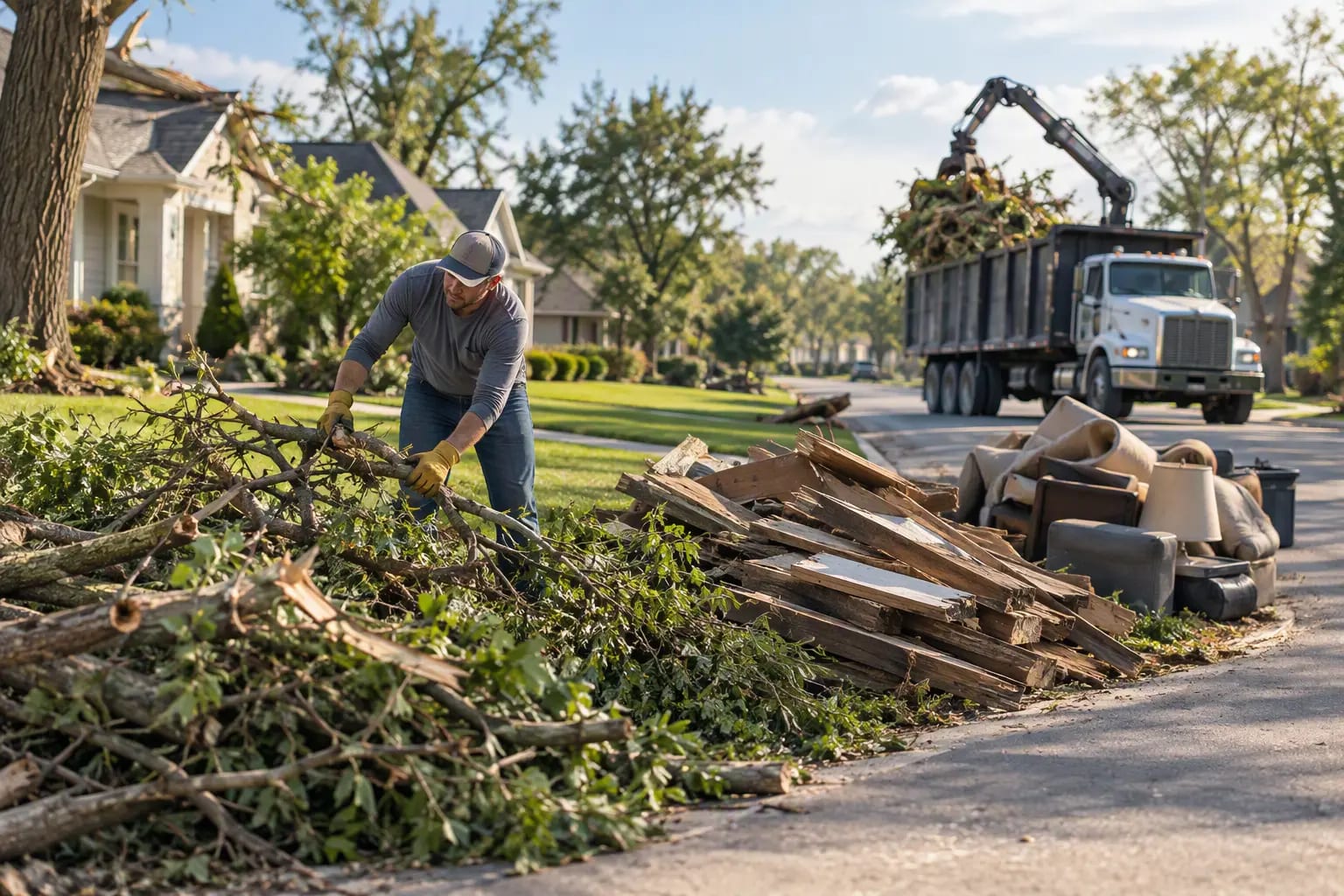
The storm has passed, but your yard looks like a mess. Broken branches are scattered across the lawn, pieces of roofing lie near the house, and damaged furniture sits in the rain. Now you have to figure out what to do with it all. That is where storm debris cleanup begins.
You might be tempted to put everything in one pile and call a removal service. But hold on. Some debris needs to be kept separate, especially anything hazardous or difficult to dispose of.
Before you book a pickup, let’s look at what you should sort first, what needs special handling, and how to get your property ready for cleanup.
Why Sorting Comes Before the Phone Call
Crews price a job by volume and by material type. Landfills take some items. Recycling centers take others. Hazardous items need special care. A mixed pile forces the crew to guess. A guess usually costs you extra.
A sorted pile gives a clear price. It also speeds up the pickup. Your city may have its own rules. Many cities ask for separate piles at the curb. Some towns send a different truck for each type. A mixed pile can sit for weeks.
Storm debris cleanup goes faster with a plan. Sorting is the first step of that plan.
Stay Safe Before You Touch Anything
Walk the property slowly. Look up first. Look down second. Hanging limbs can drop without warning. Downed power lines can look dead. They are not. Stay far away from every wire. Call your utility company right away.
Do not move debris that touches a line. Do not pull limbs off a damaged roof. Do not enter a leaning building. Let a licensed pro check those spots.
Wear gloves, boots, long sleeves, and eye protection. Add a dust mask for moldy or dusty material. Work with a partner. Keep kids and pets indoors.
Take photos before you move anything. Photos protect your insurance claim. Take wide shots and close shots. Save every image.
Storm Debris Cleanup Starts With Five Simple Piles
Use five piles. Mark each one with a sign or a tarp. Keep the piles apart from each other. This setup makes pickup easy for any crew.
Pile One: Vegetative Debris
This pile holds tree branches, leaves, shrubs, logs, and small stumps. Keep it clean. Remove nails, wire, plastic, and rocks. Cut limbs to the length your city asks for. Stack branches in one direction. Bag loose leaves in paper yard bags. Keep soil out of the pile. Dirt adds weight and raises the price.
Heavy limbs need care. Never cut a hanging branch yourself. Never use a chainsaw without training. Hire a tree pro for that job.
Pile Two: Building Materials
This pile holds shingles, drywall, lumber, siding, fence boards, bricks, and concrete. Keep clean wood apart from painted wood. Pull out loose nails. Bag insulation. Keep drywall as dry as you can. Wet drywall grows mold fast. It also gets very heavy.
Older homes need extra caution. Siding, floor tiles, and roofing from old houses can hold asbestos. Do not break these materials. Do not sweep the dust. Ask a licensed pro to test them first.
Pile Three: Household Items and Furniture
This pile holds couches, mattresses, rugs, clothes, and toys. Soaked fabric rots fast. Move it out of the rain. Sort items you can donate from items you must toss. Most flood soaked items cannot be donated. Photograph every item before it goes. Your insurer may ask for a list. Wrap mattresses in plastic. Bag small items.
Pile Four: Appliances, Electronics, and Metal
This pile holds fridges, washers, stoves, water heaters, TVs, computers, grills, gutters, and metal fencing. Many crews recycle metal. Keep it separate to lower your cost.
Fridges and freezers hold refrigerant. Pros must drain it. Never cut the lines. Never plug in a soaked appliance. Wet electronics can shock you. Batteries inside them can start fires. Tell the crew what each item is before pickup.
Pile Five: Hazardous Storm Debris
Hazardous storm debris needs its own spot. This pile holds paint, solvents, pesticides, motor oil, gasoline, propane tanks, pool chemicals, car batteries, lithium batteries, and cleaning products. Keep each item in its original container. Never mix chemicals. Never burn them.
Most junk crews cannot take hazardous storm debris. Call your local hazardous waste site. Ask about drop off days. Many cities hold special events after a storm.
A leaking tank is an emergency. Walk away. Call the fire department. Wrap broken glass in thick paper or cardboard. Label it as sharp.
Items to Keep Out of Every Pile
Some things need a different plan. Set these aside.
- Sewage or floodwater soaked items. Treat them as contaminated.
- Dead animals. Call animal control.
- Medicine, documents, photos, and valuables. Dry them and store them safely.
- Items your adjuster has not seen yet.A trusted storm cleanup service explains pricing in plain words.
Wait for your adjuster before you toss damaged property. Photos help. The item itself helps more.
Where to Place Your Piles
Keep piles on your property or at the curb edge. Follow your city notice. Never block the road. Never block a sidewalk. Keep piles away from fire hydrants, storm drains, power poles, meters, and mailboxes. Keep them away from low hanging wires and parked cars. Trucks need room to reach each pile. A blocked pile gets skipped.
How to Estimate Your Debris Volume
Crews quote by the truckload. You can give them a close number. Stack each pile in a neat shape. Measure the length, width, and height in feet. Multiply the three numbers. Divide the result by 27. You now have cubic yards.
Round up. Loose branches take more space than you expect. Share the number for each pile. Share photos too. Honest numbers lead to honest quotes.
Your Storm Debris Cleanup Checklist Before You Book
Use this storm cleanup checklist before you call anyone. Storm Debris Cleanup runs smoother with a written list.
- Photograph all damage and every item.
- Confirm power lines are safe.
- Sort debris into the five piles.
- Make a separate list of hazardous items.
- Estimate each pile in truckloads.
- Note gates, slopes, and narrow driveways.
- Check your city pickup rules.
- Call your insurance agent.
- Save every receipt.
Keep this storm cleanup checklist on your phone. Share it with the crew. It helps them quote the job fast.
How to Choose a Storm Cleanup Service
Choose a storm cleanup service with care. Storms attract scammers. Door knockers appear within days. Many have no license. Some take cash and vanish.
Ask these questions:
- Are you licensed and insured?
- Do you take all five pile types?
- Do you price by volume or by weight?
- Do you recycle?
- When can you arrive?
- Can I get the quote in writing?
Never pay in full upfront. Never sign a blank contract. Write down the crew name and license number. Check local reviews.
What Storm Debris Removal Costs
Storm debris removal prices change with volume, weight, distance, and material type. Sorted piles cost less. Heavy items like concrete cost more. Hazardous items often need a separate fee.
Keep every receipt. Many policies cover tree removal after a tree hits a home. Many policies cover less for fallen trees in a yard. Call your agent before you hire anyone. Ask which documents they need. Local and federal programs can also help after a declared disaster. Check your city website for updates.
When DIY Stops Making Sense
Some jobs fit a weekend. Others do not. Watch for these signs.
- Debris covers most of the yard.
- Several heavy limbs need to move.
- A tree rests on a house, shed, or fence.
- Debris blocks your driveway.
- You have no truck or trailer.
- Hazardous items sit in the pile.
- Mold is spreading on wet materials.
One sign is enough. Call a pro. Your back, your time, and your safety matter. Professional storm debris removal saves all three.
Recycle and Donate What You Can
Sorting opens the door to recycling. Metal goes to scrap yards. Clean wood becomes mulch or fuel. Concrete gets crushed and reused. Many cities turn yard debris into compost.
Donate furniture and tools that survived the storm dry. Charities cannot take wet or moldy items. Ask your crew what they recycle. A good crew will tell you.
Mistakes That Slow Everything Down
Avoid these errors.
- Mixing all debris in one pile.
- Burning debris. It is unsafe and often illegal.
- Pushing debris onto a neighbor’s land.
- Overloading your truck.
- Lifting heavy limbs alone.
- Ignoring mold on wet items.
- Hiring the first crew that knocks.
Each mistake adds cost. Each mistake adds risk. Most are easy to avoid.
After the Trucks Leave
Walk the yard again. Look for nails, screws, and glass. Roll a magnet over the grass. Check the driveway. Check around your tires. Small sharp pieces hide in leaves and soil.
Keep your receipts and photos in one folder. Send copies to your insurer. Thank neighbors who helped. Share this plan with them.
Final Thoughts
Finally, after a storm, the last thing you want is more stress from a pile of debris in your yard. Before scheduling removal, take some time to sort what you can, separate hazardous materials, and check your local disposal rules.
A bit of planning can save you time and extra costs during storm debris cleanup. Take photos of the damage before you start, then check with the removal company to see what they’ll take before you schedule a pickup. Remember, junk removal is a must!
Tabassum Kabir is a content writer who enjoys digging into new topics and turning her findings into clear, useful content. She keeps her writing simple, honest, and easy to follow, making her work engaging for any reader.


Need junk gone fast? See pricing in your area
Enter your zip code to see if Wecycle operates in your location.