BLOG / OTHER
Tree Branch Removal Cost: What You'll Actually Pay in 2026
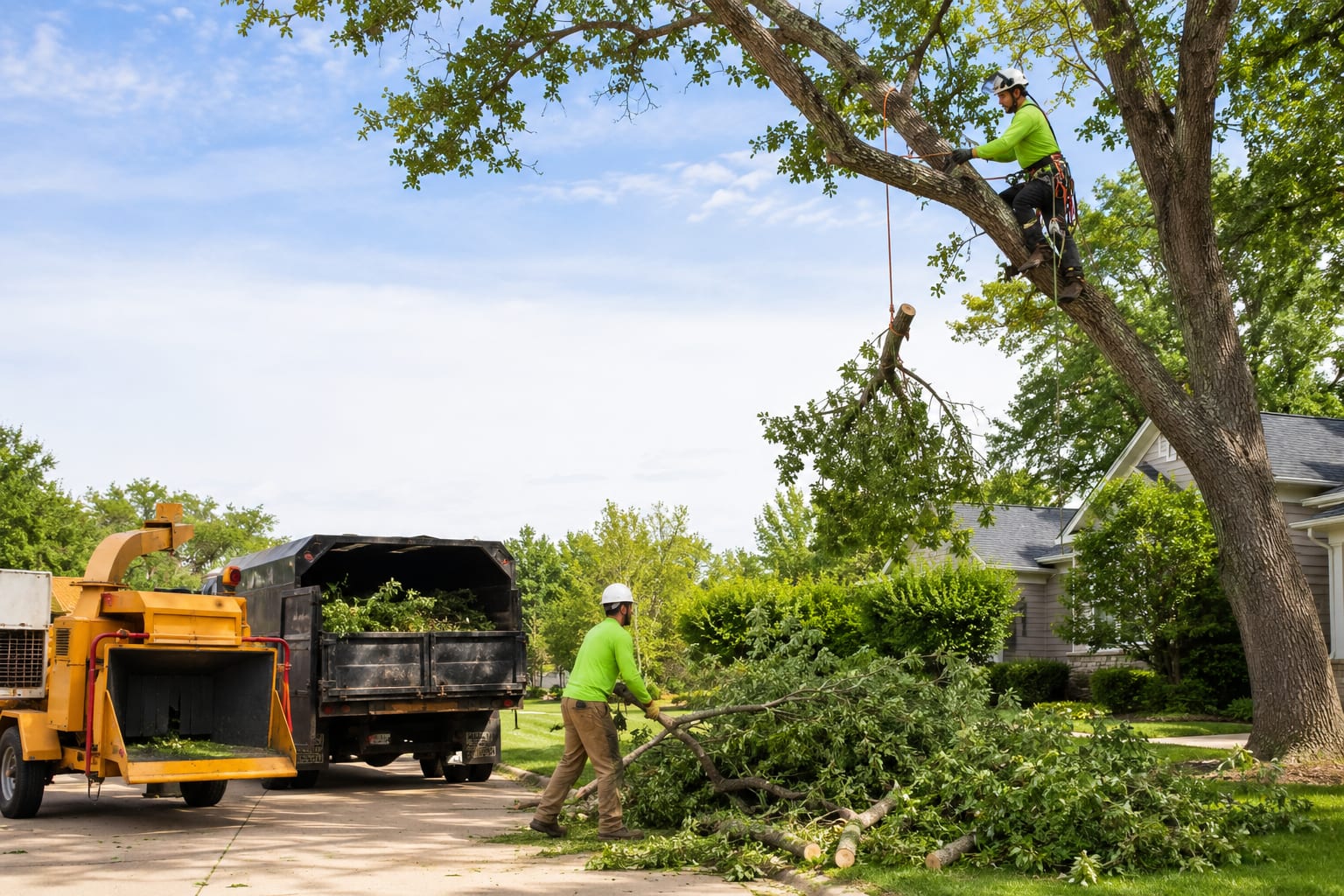
A heavy branch hanging over your roof or a limb that snapped during the last storm is not something most homeowners want sitting in the yard for long. The question that comes right after "is this dangerous" is almost always "how much is this going to cost me."
The short answer: tree branch removal cost typically runs between $75 and $250 for a small or medium branch, and $150 to $850 for a large limb. Broken or fallen branches that just need cutting and hauling can run as low as $80 to $100 per hour. But that range hides a lot of detail, and the difference between the low end and the high end usually comes down to four things: size, height, location, and whether the branch is already on the ground or still hanging.
This guide breaks down every factor that moves the price, what local crews actually charge per hour and per job, when DIY makes sense, and how to avoid paying for services you do not need.
Average Tree Branch Removal Cost by Type of Job
| Job Type | Typical Cost |
|---|---|
| Small to medium branch removal | $75 to $250 |
| Large limb removal (15 ft to 20 ft+) | $150 to $850 |
| Broken or fallen branch cleanup | $80 to $100 per hour |
| Tree debris haul away (no cutting) | $75 to $250 per trip |
| Emergency or after hours service | $150 to $250 per hour |
| Arborist inspection | $100 to $250 per hour |
These figures line up with national contractor data and reflect what most homeowners pay for a single visit. Multiple branches in one visit usually cost less per branch since the crew is already on site with equipment running.
What Actually Drives the Price Up or Down
1. Branch Size and Thickness
A limb the width of your arm is a quick job with a pole saw. A 20 foot branch as thick as a fence post is a different category of work entirely, often requiring a chainsaw, rigging ropes, and a second crew member to manage the drop safely. The thicker and longer the branch, the more labor hours and equipment go into the job.
2. Height and Accessibility
Anything above 15 feet generally needs climbing gear, a bucket truck, or an aerial lift. That equipment alone adds cost before any cutting starts. If the crew can park a truck right next to the tree, you save money. If they have to carry every cut piece by hand through a fenced backyard, expect the bill to climb.
3. Location on the Property
Branches hanging over a roof, a driveway, or a power line carry more risk, and tree services price that risk into the quote. Anything near utility lines may also require coordination with the power company before work can even begin, which adds time and sometimes a separate fee.
4. Fallen vs. Still Attached
A branch that already fell costs less to deal with than one still hanging in the tree. Fallen limbs just need to be cut into manageable pieces and hauled off. A hanging or partially broken branch is more dangerous to remove because it can shift or drop unexpectedly, which means slower, more careful work.
5. Cleanup and Haul Away
Most quotes include hauling the cut branches away, but not all of them. Some companies fold debris removal into the labor charge. Others bill it separately, typically $75 to $250 depending on volume. Always ask whether cleanup is included before you sign off on a quote, since this is one of the most common places homeowners get surprised by an add on fee.
6. Timing and Season
Emergency service, especially outside normal business hours, costs more, often an extra $100 to $250 per hour. After a major storm, demand spikes across an entire region and prices follow. If the branch is not actively dangerous, waiting a week or two after a storm can mean a noticeably lower bill once the rush settles down.
Calculate Your Junk Removal Cost
CalculatorTree Branch Removal vs. Full Tree Removal
Sometimes a branch problem is really a tree problem. If a tree is dropping large limbs repeatedly, showing signs of rot, or leaning toward a structure, an arborist may recommend removing the whole tree rather than continuing to trim individual branches. Full tree removal costs more upfront, generally $400 to $1,200 depending on size, but it can be the more economical choice long term if the tree is already in decline and will keep shedding limbs.
A quick inspection from a certified arborist, usually $100 to $250 per hour, is worth the cost before committing to repeated branch removal on a tree that may need to come down anyway.
Read More: How to Dispose of Tree Branches the Right Way
What to Do With the Branches After They're Cut
Once a branch is down, you still have to deal with the debris, and this is where costs can sneak up if you are not paying attention.
- Wood chipping: Many crews will chip smaller branches into mulch on site, often for free, and you can usually keep the chips for garden beds if you ask.
- Firewood: Larger pieces can be split for firewood, though this is typically billed as an extra per hour service.
- Curbside pickup: Some municipalities accept bundled branches for free pickup on a scheduled day, which is the cheapest option if your timeline allows for it.
- Dumpster rental: For bigger cleanup jobs involving multiple trees or storm damage, a dumpster rental runs roughly $280 to $500 per week.
- Professional yard debris pickup: If you already have other yard waste piling up alongside the branches, bundling it all into one junk removal pickup is often more cost effective than paying for separate branch hauling and separate yard cleanup. This is a route worth comparing before booking two different services.
DIY Branch Removal: When It Makes Sense (and When It Doesn't)
Cutting your own low hanging, small diameter branches with a hand saw or pole saw is reasonable for most homeowners and can save the $75 to $250 a pro would charge for the same small job.
DIY stops making sense the moment any of these apply:
- The branch is above 15 feet and would require a ladder to reach
- The branch is near a power line of any kind
- The branch is large enough that you cannot safely control where it falls
- The tree shows signs of disease, rot, or structural weakness
- You do not already own the right tools (a chainsaw, ropes, and proper safety gear can run up to $600 to buy, which often erases any savings on a single job)
A bad cut does not just cost you a redo. Improper pruning can wound the tree in a way that invites rot, and a branch that falls wrong can damage a roof, fence, or vehicle, turning a $200 job into a multi thousand dollar repair.
How to Get a Fair Price
- Get at least two or three quotes. Pricing varies by region and by crew, so a single quote rarely tells you whether you are getting a fair deal.
- Ask exactly what's included. Confirm whether cutting, hauling, and chipping are all bundled or billed separately.
- Check licensing and insurance. Tree work involves real risk to your property and the crew. Never hire someone without proof of insurance.
- Bundle the job. If you have more than one problem branch, or other yard debris sitting around, ask about handling it all in one visit. Crews charge a base fee just to show up, so combining tasks into a single appointment usually lowers your per branch cost.
- Time it right. Scheduling non-emergency work in the off season, typically late fall through winter, tends to come with better pricing and faster availability.
Frequently Asked Questions
How much does it cost to remove a tree branch?
Most small to medium branches cost $75 to $250 to remove. Large limbs, especially those requiring a bucket truck, run $150 to $850.
Is tree branch removal cheaper than full tree removal?
Yes, for a single branch. But if a tree is dropping branches repeatedly, full removal at $400 to $1,200 can be more cost effective than paying for branch removal multiple times a year.
Does branch removal cost include hauling away the debris?
Not always. Some companies include cleanup in the quoted price, while others charge $75 to $250 separately. Confirm this before booking.
Can I get tree branches removed for free?
Sometimes. Cities occasionally offer free wood chipping or debris pickup near public spaces, and some utility companies will trim branches near power lines at no charge. For private property cleanup, a paid service is usually required.
What's the cheapest way to dispose of cut branches?
Bundling branches for municipal curbside pickup is typically free but depends on your city's rules. If you have a larger cleanup with branches mixed in with other yard waste, comparing local junk removal pricing against per branch tree service rates can sometimes save money, especially when several tasks are combined into one pickup.
Shushmita Karmakar is an experienced content writer at Wecycle, with over 3 years of expertise creating clear, helpful, and SEO-focused content. She specializes in writing about junk removal, recycling, and sustainable waste solutions, helping readers make informed, eco-friendly choices. Her work combines practical insights with an easy-to-read style that connects with both homeowners and businesses.



Need junk gone fast? See pricing in your area
Enter your zip code to see if Wecycle operates in your location.