BLOG / HOW TO
How to Get Rid of Wood Chips: Easy Disposal Methods
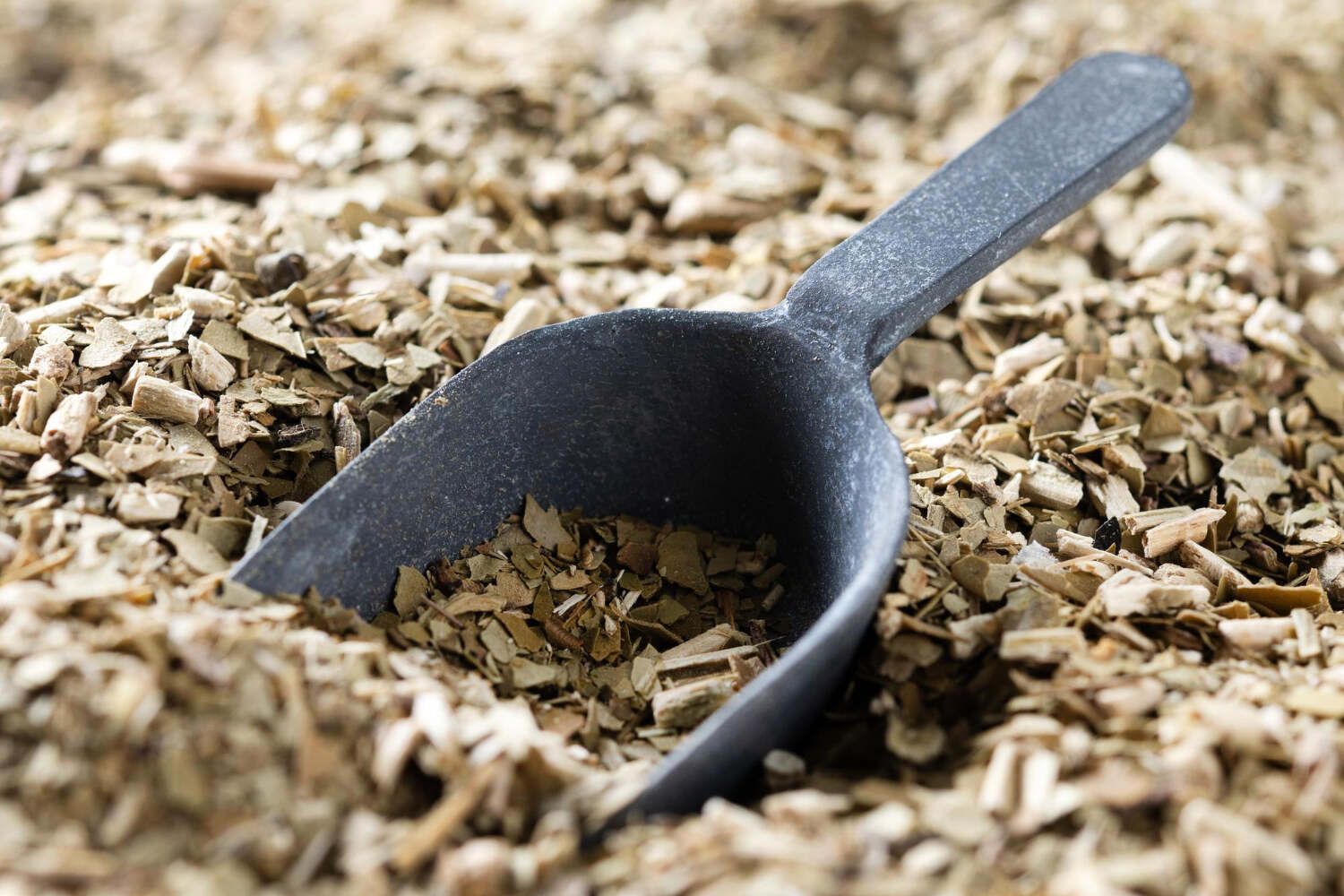
Got a giant pile of wood chips and wondering what to do with them? Well, you are not alone, my friend!
After all, whether they come from a landscaping project to a weekend cleanup, they can linger for a long time. The good news? You can easily get rid of them without facing any hassle.
Plus, there are tons of wood chip removal options to clear your space in no time. All you have to know is the right method on how to get rid of wood chips. Keep reading to find out!
What Exactly Are Wood Chips?
Wood chips are basically the small, chipped pieces of wood that are created when branches, trunks, or shrubs are processed through a chipper. They come through all kinds of landscaping work, such as:
- Tree removal
- Stump grinding
- Pruning and trimming
Types of Wood Chips
Every wood chip is different and tends to behave differently. And the type you have affects the longevity, durability, etc. Below are some of the common types of wood chips:
- Fresh wood chips are newly cut ones that decompose more slowly and can be slightly more acidic at the beginning.
- Aged wood chips are those that have been lying around for months or years. They are mostly darker and partially composted, but are much safer to use.
- Untreated wood chips come from natural tree materials that are safe for gardens, mulching, and composting.
- Treated wood chips might contain chemicals, paint, or preservatives. Hence, never use them in gardens or anywhere you plan to grow food.
Should You Reuse or Remove Wood Chips?
Well, the answer depends on what type of chips you have, their condition, and what you need for the garden. Here’s how you can make the best call:
Fresh Wood Chips
- Best for pathways, walkways, weed suppression, or around trees/shrubs.
- Not ideal for garden beds with young plants.
- If they smell green, they are still fresh.
Best choice: Reuse or store and let them age.
Aged or Partially Composted Wood Chips
- Darker and less chunky.
- Safe for garden beds, vegetable gardens, and soil improvement.
- Break down quickly and enrich the soil.
Best choice: Reuse, as these are gardening gold.
Treated, Painted, or Unknown Wood Chips
- Might contain chemicals or contaminants.
- Often come from construction scraps, pallets, or old landscaping timber.
Best choice: Remove and don’t use around plants, gardens, or animals.
Environmental Benefits of Reusing Wood Chips
Reusing wood chips is surprisingly eco-friendly. Here’s why keeping them on the property is a win-win situation:
- Keep organic material out of landfills and lessen unnecessary disposal.
- Slowly break down into rich, moisture-holding humus.
- Mulched areas stay moist far longer, meaning less water is required during dry spells.
- Help stabilize slopes, walkways, and bare patches of soil.
- As they decompose, it becomes habitat for fungi, insects, and various organisms.
Read More: Eco-Friendly Junk Removal
Situations Where Removal Is the Better Option
While reusing wood chips is usually great, there are times when getting rid of them is the ideal move:
When the Chips Come From a Diseased Tree
Chips from trees infected with fungus or pests can spread problems to healthy plants.
Solution: Dispose of them properly rather than reusing.
When the Wood Chips Are Treated or Contaminated
If they come from construction debris or anything pressure-treated, it’s safest to remove them.
When You Have More Than You Can Use
A small yard can only take so much mulch; sometimes you simply have too much. This is when donating, giving away, or hauling off makes sense.
When Chips Are Attracting Pests
Large piles stacked too close to buildings can attract termites, carpenter ants, or rodents. Hence, if the pile is already showing signs of infestation, removal is usually best.
When They Are in the Wrong Location
- chips smothering grass
- chips mixed deeply into the soil
- Used in garden beds where they are affecting plant growth
When They Are Creating Drainage or Mold Issues
Soggy, compacted piles can create:
- mold
- foul odors
- drainage problems
Best Ways to Get Rid of Wood Chips (Primary Methods)
Once you understand what kind of wood chips you are dealing with, below is a list of the most effective ways to put them in a good place:
Use Wood Chips as Mulch
Using wood chips as mulch is one of the easiest and most effective ways to repurpose them. It’s free, looks great, and helps the soil long-term.
How to Apply?
- Spread chips in a layer 2–4 inches thick.
- Keep mulch several inches away from plant stems or tree trunks to prevent rot.
- Refresh the top layer yearly to maintain appearance.
- Use coarser chips on walkways and finer chips in garden beds.
Composting Wood Chips
If you don’t need mulch or have more, composting is a great long-term solution. For cold compositing, they are slow but need less effort. Whereas, hot compositing needs frequent turning and moisture management.
How to Speed Up?
- Mix in grass clippings, kitchen scraps, manure, or other nitrogen-rich materials.
- Keep the pile moist but not soggy.
- Turn the pile every 1–2 weeks to introduce oxygen.
- Chip or shred larger pieces for faster breakdown.
Paths, Walkways & Landscaping
They make very good natural ground cover in high-traffic or decorative areas. Such as the following:
Garden Paths
- Spread a 3–4 inch layer to create a soft, rustic path.
- Add edging to keep chips contained.
- Works especially well in woodland gardens.
Play Areas
- A popular choice for playgrounds and backyard play zones.
- Offers cushioning, but should be replaced or topped up regularly.
- Make sure chips are from untreated wood only.
Erosion Control
- Stabilize slopes
- Prevent soil washout
- Improve muddy spots
Donate or Give Away Wood Chips
If you have more chips, donating is an easy and community-friendly solution. For instance, you can give them to:
- Gardeners
- Farms and Homesteaders
- Community Gardens
- Online Platforms (Facebook, Craigslist, Nextdoor)
Hire Someone
If you want them to gone quickly without doing any heavy lifting, hiring help might be the simplest option:
- Landscaping Companies
- Tree Service Pick-Ups
- Free Pickup Options
Take Them to a Yard Waste or Recycling Center
If reusing or donating doesn’t work, and if you are looking for places where to dump wood chips, taking them to a waste facility is the ideal option, such as yard waste depots, compositing facilities, and municipal recycling centers usually accept these wood chips.
Creative Ways to Repurpose Wood Chips
If you want to repurpose them instead of tossing away, and thinking of what can I do with wood chips, you have several options to pick from, including:
-
Make some great animal bedding
-
One of the easiest ways to tame problem spots where weeds run wild.
-
Ideal for helping plants hold water and stay cool (hot or dry climates).
-
Can be used for cooking (Smoker/barbeque fuel)
-
Works well with erosion and mud control
How to Safely Dispose of Large Wood Chip Piles?
Large piles behave much differently in comparison to a light layer of mulch. For example, they can overheat, attract pests, or grow fungus if ignored. Here’s what to do:
- Using a rake, pitchfork, or tractor, turn the pile every 1–2 weeks to introduce oxygen. This will prevent mold and speed up decomposition.
- Create pockets using sticks, pipes, or by layering branches. So it can allow them to breathe properly.
- Check the heat buildup (steam rising on cold morning, earthy, compost-like smell).
Concluding Words
Wood chips may seem like a messy problem at first, but they are definitely one of the most versatile byproducts of yard work. And with the right method, you can clear them out quickly. From recycling to donation, the list goes on!
Once you have dealt with all the piles, you can reclaim the yard and maybe give your garden a boost with happier plants.
FAQs
What is the Fastest Way to Get Rid of Wood Chips?
The fastest way to get rid of wood chips is to give them away or hire a landscaping company.
What Should I Do With Leftover Wood Chips from Stump Grinding?
You can spread them as mulch, mix them into compost, use them for pathways, or donate them.
Can Wood Chips Go in the Green Bin?
Mostly, yes. Such as, untreated wood chips can go in green waste or yard waste bins. But the treated or chemically processed wood should never go in green bins.
Do Wood Chips Attract Termites?
Wood chips may attract termites if piled near buildings or kept too moist. Using them as mulch in thin layers is generally safe, but make sure to avoid storing large piles next to the house.
Will Wood Chips Kill Grass?
A thick layer can smother and kill grass by blocking sunlight and air circulation. Thin layers are usually safe, but large piles need to be removed as quickly as possible.
How Long Do Wood Chips Take to Decompose?
Well, it takes around 1–3 years to fully decompose, depending on the chips size, moisture levels, and whether they are mixed with nitrogen-rich materials.
Can I Use Wood Chips Around Vegetables?
Of course, but make sure to use aged wood chips, not the fresh ones. Also, keep the chips on top of the soil as mulch instead of mixing them.
Is It Okay to Mix Wood Chips into Soil?
It's better not to. Because if you mix them directly into planting soil, they can tie up nitrogen while breaking down. Hence, it’s better to compost them first or use them as surface mulch.
Sabbir Kabir is a content manager at WeCycle with over 5 years of experience in creating content about junk removal services, eco-friendly waste disposal, and sustainable recycling practices. Passionate about promoting environmental responsibility, Sabbir shares actionable insights to help homeowners and businesses adopt greener, cleaner waste management solutions.
Read our latest blog posts


Need junk gone fast? See pricing in your area
Enter your zip code to see if Wecycle operates in your location.