BLOG / HOW TO
How to Dispose of Old Piano: A Complete Guide
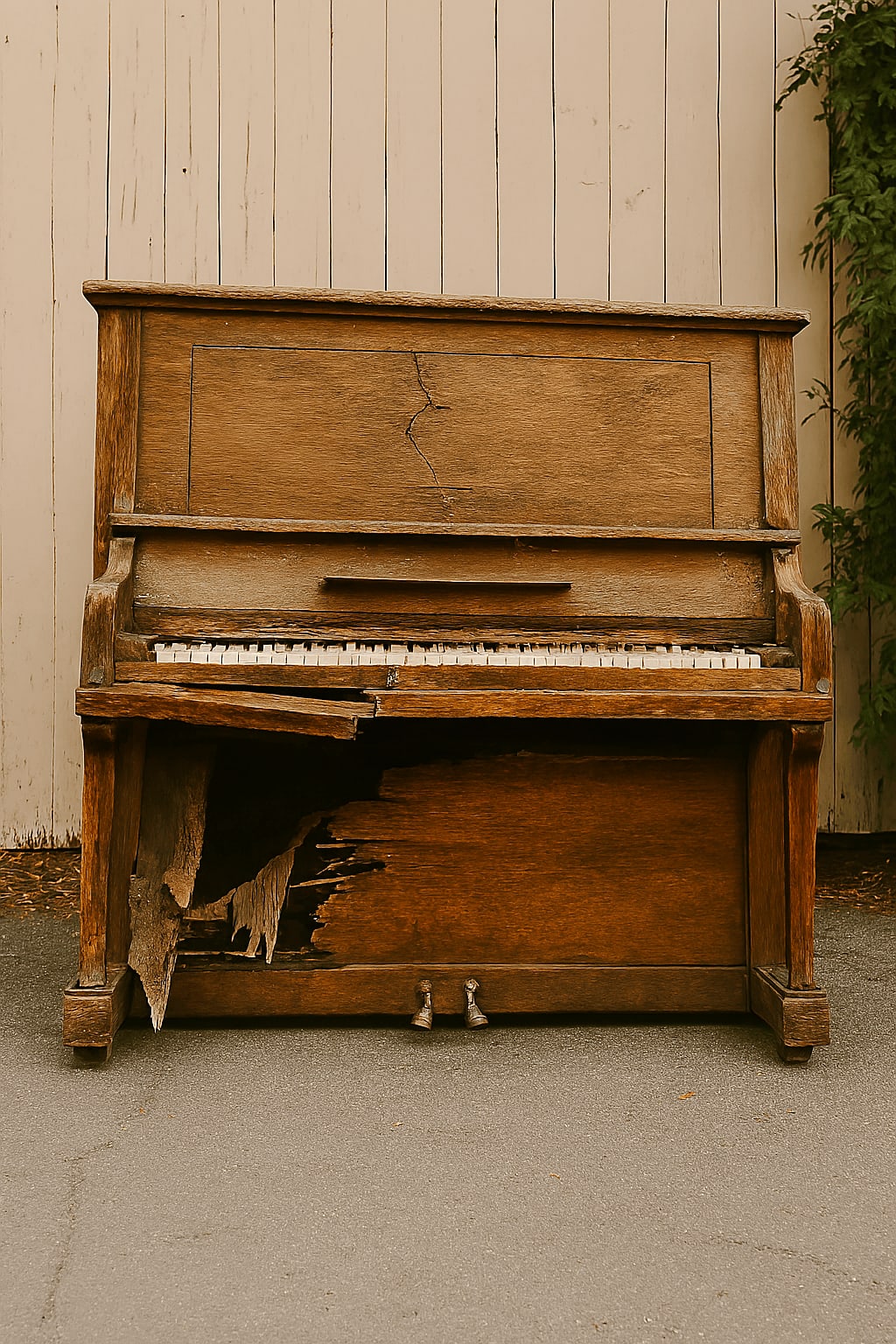
Struggling to remove your old piano? I know piano is heavy and removing it all alone is a challenge. So, how to dispose of an old piano?
Well, you can donate it or sell it as these two are the easiest options. Apart from these two, you can hit professionals to remove it and stay tension-free. There are also other options to dispose of an old piano.
Want to learn about them? In this blog, I will explain the easiest ways to dispose of an old piano.
Let’s begin the discussion.
Why Proper Piano Disposal Matters
A piano is built from a mix of hardwood, steel, cast iron, and felt, which makes it strong but also extremely heavy and hard to break down. Simply leaving it out with regular trash is not an option in most places. Improper disposal can harm the environment since some parts contain metals or chemicals that do not break down easily.
Knowing how to dispose of your old piano the right way helps protect your home, your community, and the environment. It also keeps you safe, as pianos are large and awkward. Trying to move or take one apart without help can lead to injuries or damage to floors and walls.
How to Dispose of Your Old Piano?- 5 Easy Ways
Here, you will get a list of 5 easy ways that you can easily follow to dispose of your old piano. Let’s explore these ways here together:
Free and Low-Cost Ways to Get Rid of a Piano
Even if your piano is old or damaged, some options cost nothing or very little. You do not have to spend a fortune to have it removed responsibly.
Donate or Give It Away
If the piano is still playable, donating it is a wonderful way to give it a second life. Schools, churches, community centers, and even private teachers sometimes accept pianos in working condition. Donating allows the instrument to continue bringing joy to others and helps someone learn or teach music.
Another simple approach is posting it online in local buy-and-sell groups or Facebook Marketplace. You can list it as “free, you move it” to attract local musicians or hobbyists. This is one way to learn how to get rid of a piano for free without spending time or money on moving.
Remember to be upfront about its condition. If it needs repairs, clearly mention it. Being honest helps avoid wasting anyone’s time and ensures the piano ends up where it can be used.
Selling Your Piano
If you cannot donate your piano, selling it is a good way to get some value back. Start by checking the prices of similar pianos in your area. The brand, age, condition, and size all affect how much it is worth.
When making a listing, highlight important details like the brand, sound quality, or any recent maintenance. Take clear photos from different angles in good light so buyers can see its condition.
You can list the piano on sites like Craigslist, eBay, or local music stores that accept consignment. Be ready to negotiate, but set a fair price that reflects its value. Selling your piano helps it find a new home instead of going to waste.
Read Also: How Much Does Junk Removal Cost
Recycling and Scrapping Old Pianos
When a piano is no longer playable or repairable, recycling its components is the most responsible solution. Pianos contain metal and wood that can be reused, and many materials have value even when the instrument itself is no longer functional.
Contact Local Recycling Centers
Many municipalities offer bulk pickup services or partner with recycling programs that handle large items. A recycling center can often provide guidance on piano junk removal, separating the metal and wood parts for proper recycling. Some scrap metal yards even accept the cast iron plate, which has resale value.
Scrap the Piano Yourself
For those who enjoy hands-on work, dismantling a piano yourself is an option. Learning how to scrap a piano allows you to separate its components: the metal, wood, and felt. Scrapyards may pay for cast iron plates or other metal parts, and wood can be recycled or repurposed for DIY projects.
Disassembling a piano takes time and needs to be done carefully. The strings are very tight and can snap, and the frame is very heavy. Make sure to use the right tools and wear gloves and eye protection. Always have someone to help you if you try this yourself.
Disassembling a Piano for Disposal
If you are determined to handle it yourself, knowing how to take apart a piano for trash can make removal more manageable. Upright pianos are easier than grand pianos but still require patience.
Step-by-Step Guide
- Remove the lid and any panels that can be easily detached.
- Take out the keys and pedals carefully.
- Release the tension on the strings using the right tools to avoid injury.
- Unbolt the cast-iron plate from the wooden frame.
- Separate all materials into wood, metal, and felt for recycling or reuse.
Disassembly should only be attempted if you are confident and have adequate space and tools. If not, hiring professionals is a safer choice.
Professional Piano Removal Services
Many people choose professional piano removal for safety and convenience. Professionals know how to dispose of your old piano efficiently and without risk to your home or yourself. They bring specialized equipment and have experience moving large, heavy instruments.
Advantages of Professional Help
- Safe and efficient removal without injury
- Equipment for stairs, narrow hallways, and tight spaces
- Proper disposal and recycling of piano materials
- Peace of mind knowing the work is done responsibly
Professional services can handle everything from assessment to removal and recycling, making the process simple and stress-free.
Creative Ways to Repurpose an Old Piano
If you enjoy DIY projects, repurposing an old piano can be a fun and eco-friendly alternative to disposal. Many people transform their old instruments into functional or decorative items.
- Use the piano casing as a bookshelf, desk, or bar
- Turn the soundboard into a table, wall panel, or decorative piece
- Repurpose keys into artwork, keychains, or furniture accents
- Transform pedals into hooks or garden ornaments
- Use parts for outdoor planters, garden sculptures, or art installations
Deciding Between DIY and Professional Disposal
Choosing the right method depends on your situation and the piano’s condition.
DIY Disposal
- Best for broken pianos or small upright models
- Works if you want to recycle or repurpose materials
- Requires space, tools, and patience
- Can be done for free or very low cost
Pros: Cost-effective, hands-on, allows creative reuse
Cons: Heavy lifting, time-consuming, risk of injury, messy
Tip: DIY is ideal for people comfortable with tools and want to explore how to dispose of piano parts themselves. You also learn valuable skills in recycling and repurposing.
Professional Disposal
- Best for large, heavy, or multi-story piano removal
- Ensures fast, safe, and environmentally responsible disposal
- Professionals handle moving, recycling, and disposal
Pros: Safe, convenient, quick, eco-friendly
Cons: Requires payment and scheduling
Tip: Professional removal ensures the piano is handled responsibly. Teams know exactly how to dispose of your old piano while protecting your floors, walls, and the environment.
Safety Considerations While Disposing of an Old Piano
Moving a piano is physically demanding. Keep these tips in mind:
- Wear protective gloves and eye protection
- Never lift a piano alone
- Use dollies, straps, and ramps to ease movement
- Keep children and pets away from the area
- Be cautious when releasing piano strings under tension
Why You Cannot Throw a Piano in Regular Trash
Pianos contain multiple materials that do not decompose quickly. Landfills often refuse them, and even if accepted, you may face hefty fees and challenging transport. Learning how to dispose of your old piano responsibly ensures that materials are recycled or reused instead of being wasted.
Extra Tips for Efficient Piano Disposal
Here are a few extra tips that can make the process smoother:
- Plan Ahead: Know where the piano will go, whether it is donation, recycling, or professional removal.
- Check Local Regulations: Some cities have rules for disposing of large items like pianos. Following these rules avoids fines.
- Measure Carefully: Take measurements of the piano and doorways to ensure smooth removal.
- Ask for Help: Even if you are hiring professionals, having an extra pair of hands helps.
- Protect Your Floors: Use blankets, sliders, or cardboard to avoid scratches during moving.
- Document the Condition: Before selling or donating, take photos. This can prevent disputes and clarify the piano’s condition.
Final Thoughts
Finally, knowing how to dispose of your old piano helps protect your home, the environment, and your community. You can choose to donate, sell, recycle, repurpose, or hire professionals depending on the piano’s condition and your needs.
DIY projects let you recycle or get creative, while professional services handle removal safely and quickly. The goal is to remove the piano responsibly, preserve its materials, and give it a new purpose.
Tabassum Kabir is a content writer who enjoys digging into new topics and turning her findings into clear, useful content. She keeps her writing simple, honest, and easy to follow, making her work engaging for any reader.
Read our latest blog posts


Need junk gone fast? See pricing in your area
Enter your zip code to see if Wecycle operates in your location.