BLOG / HOW TO
How to Disassemble Office Cubicles: 7 Easy Steps to Follow
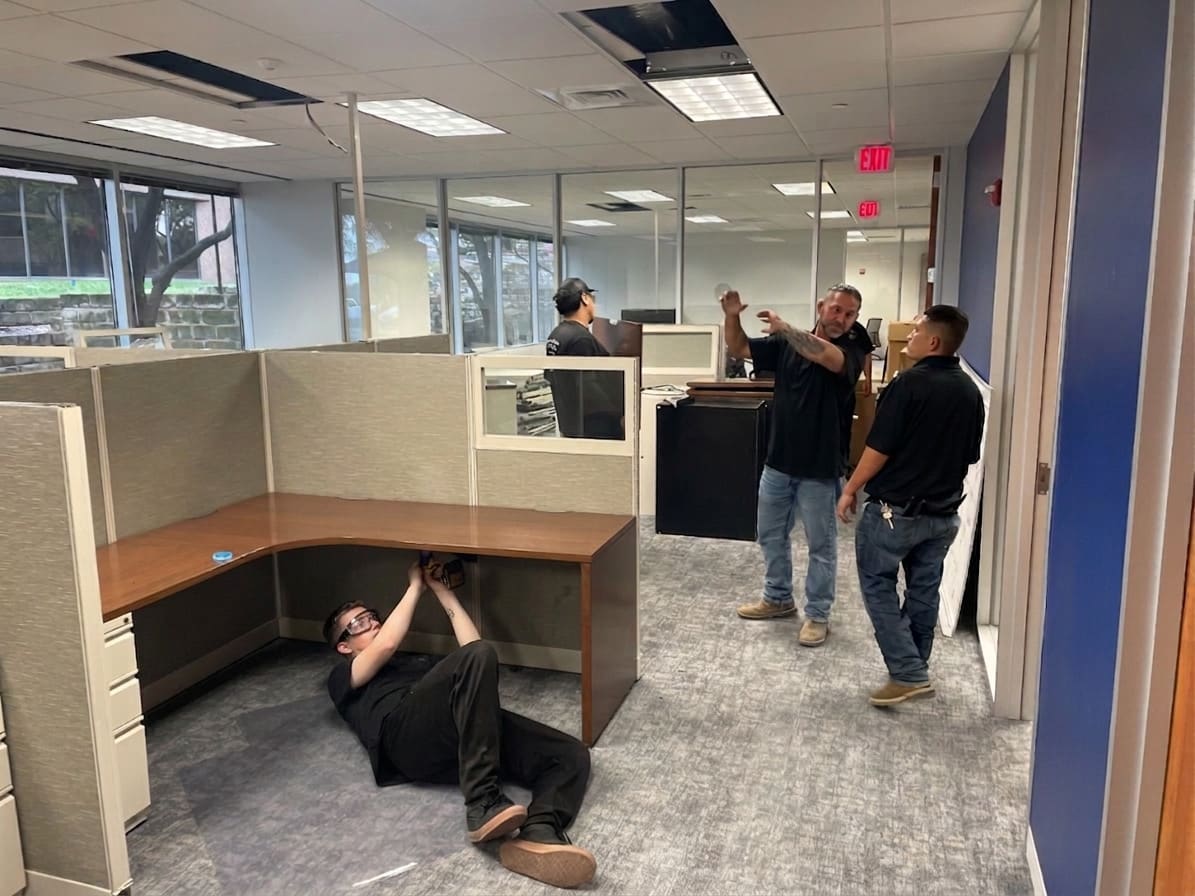
Taking apart office cubicles is not as simple as it looks. Each unit has panels, frames, and small hardware pieces. One wrong step can damage parts or slow everything down.
Proper office cubicle disassembly makes a big difference. It keeps the work organized and reduces mistakes. It also helps you finish faster during a move or cleanup.
Things get easier when you understand how the system works. You know where to begin. You know what to remove first. This way, you can take apart cubicle walls and panels without stress.
In this comprehensive article, you will learn how to disassemble office cubicles properly.
What is Office Cubicle Disassembly?
Office cubicle disassembly is the process of carefully taking apart modular office workstations. These units are made of panels, frames, and connectors. Some cubicles also include built-in shelves, wiring, or overhead storage.
The goal is to remove all parts safely without causing damage. Proper disassembly also makes it easier to store, move, or recycle the components.
Tools You Need to Take Apart Office Cubicles
Before you start, make sure you have the right tools. The right equipment makes office cubicle disassembly faster, safer, and less frustrating. Here’s what you will need:
- Screwdrivers: Both flathead and Phillips to remove screws.
- Allen wrenches: Many cubicle connectors use hex bolts.
- Pliers: For gripping and loosening stubborn parts.
- Rubber mallet: Helps separate panels without damage.
- Drill (optional): Speeds up removing screws in large setups.
- Gloves and safety glasses: Protect your hands and eyes while working.
Having these tools ready makes it easier to know how to remove cubicle panels properly. You’ll avoid damage and work more efficiently.
Learn more: How to Dispose of Drywall? 5 Best Ways
Preparation Before Removing Cubicle Panels
You need to take some preparation before removing the cubicle panels. It includes clearing the workspace, turning off power, planning the order, and more. Let’s take a closer look at it.
Clear the Workspace
Move chairs, office supplies, and personal items out of the way. You’ll need enough room to handle panels and frames without bumping into anything.
Turn Off Power and Disconnect Cables
Many cubicles have built-in wiring for phones, computers, or lighting. Unplug everything first. This keeps you safe and prevents damage to wires.
Take Photos and Label Everything
Snap pictures of connections, panels, and hardware before you remove anything. Label screws, brackets, and parts. When it’s time to reassemble or move them, everything will be easy to find.
Plan the Order
Decide which panels to remove first. Usually, starting from the top or outer edges works best. Knowing the sequence saves effort and prevents broken parts.
Taking these simple steps makes office cubicle removal easier. You’ll save time, avoid mistakes, and make the whole process less stressful.
Learn more: Office Junk Removal Explained: Costs, Process, and Smart Cleanout Tips
Step-by-Step Guide: How to Disassemble Office Cubicles
Follow these steps carefully to make office cubicle removal smooth and stress-free.
Step 1: Turn Off Power and Remove Electronics
The very first step is to unplug wires for computers, phones, or lights. Then check for any hidden cords inside panels or under desks. This keeps you safe and prevents accidental damage.
Step 2: Remove Accessories and Work Surfaces
After that you can start by clearing off desktops, shelves, and overhead bins. Remove any personal items, monitors, or office supplies. You will get space to work and prevent items from getting damaged. It also makes the next steps faster and easier.
Step 3: Detach Overhead Storage
Remove any overhead cabinets or storage compartments before you start with the panels. These pieces are often heavy or awkward to handle. Taking them down first reduces the risk of bumping into panels or breaking hardware.
Step 4: Remove Top Caps and Connectors
Cubicle panels are held together with clips, top caps, and brackets. You can use a screwdriver or Allen wrench to remove them carefully. Keep all screws, bolts, and small connectors in labeled containers. Knowing exactly which part goes where will help if you plan to reassemble the cubicles later.
Step 5: Separate Cubicle Panels
Now it’s time to remove the panels themselves. You should start at one side and gently pull panels away from the frame. If panels are tight, lightly tap them with a rubber mallet. Take your time; forcing them can cause damage. Remember, some panels may have fabric, glass, or metal edges. So handle with care.
Step 6: Disassemble the Frame and Base Supports
Once the panels are removed, disassemble the base supports and frames. These are usually held with screws or bolts. Keep everything organized in one place. This step ensures that no piece is lost and makes moving or storing the cubicles much easier.
Step 7: Organize and Label All Parts
After everything is removed, stack panels neatly and label screws, brackets, and frames. If you’re moving cubicles or storing them. Proper organization at this stage prevents confusion and mistakes later.
By following these steps carefully, you can confidently handle office cubicle disassembly. You’ll know how to take apart cubicle walls and remove panels without damage, and the process will be efficient and manageable.
Know more: How to Dispose of Old Office Furniture: A Complete Guide
Safety Tips During Cubicle Disassembly
Disassembling cubicles is straightforward if you follow the right steps. But safety should always come first. Here are some tips to keep the process safe and efficient.
-
Wear Protective Gear: Always wear gloves to protect your hands from sharp edges. Safety glasses are also important to prevent dust or small pieces from getting in your eyes.
-
Work With a Partner: Some panels and frames can be heavy or awkward to move. Working with a partner makes lifting easier and reduces the risk of dropping or damaging parts.
-
Handle Panels Carefully: Panels can be made of glass, metal, or fabric. Move them slowly and avoid forcing them. Using a rubber mallet can help loosen tight panels without causing damage.
-
Keep Hardware Organized: Small parts like screws, bolts, and clips can easily get lost. Keep them in labeled containers so nothing goes missing. This also makes reassembly faster.
-
Avoid Rushing: Take your time and follow the steps in order. Rushing increases the risk of injury and can damage the cubicles.
Following these safety tips ensures your office cubicle removal is smooth and worry-free. You can take apart cubicle walls and panels with confidence while keeping yourself and the materials safe.
Know more: How to Dispose of Tiles Safely and Sustainably [9 Easy Ways]
Common Mistakes to Avoid During Office Cubicle Disassembly
Even small mistakes can slow down your cubicle disassembly or cause damage. Knowing what to avoid makes the process smoother and safer.
-
Removing Panels in the Wrong Order: Starting with the wrong panels can make the job harder. Always follow a top-to-bottom or outer-to-inner sequence to avoid unnecessary effort and damage.
-
Not Labeling Parts: Screws, brackets, and panels can easily get mixed up or lost. Labeling everything as you remove it saves time and prevents confusion later.
-
Ignoring Wiring: Many cubicles have built-in power or network cables. Ignoring them can cause damage to electronics or create safety hazards. Always disconnect and check wiring before removing panels.
-
Forcing Tight Panels: Panels that are stuck can be tempting to pull or pry. Forcing them can bend or break pieces. Use gentle taps with a rubber mallet and work slowly.
-
Working Alone on Large Panels: Large or heavy panels are difficult to handle alone. Trying to lift them without help increases the risk of injury or dropping parts.
Avoiding these common mistakes ensures your office cubicle removal is efficient, safe, and stress-free. Following the right steps and precautions saves time and protects both the cubicles and yourself.
Know more: How to Finish a Basement: A Step-by-Step Guide
What to Do After Disassembly
After taking apart your cubicles, follow these steps to keep everything organized and easy to manage:
- Stack panels neatly and keep screws, bolts, and brackets in labeled containers for easy reassembly.
- Make sure trucks or storage areas have enough space and protect panels with blankets or padding to prevent damage.
- Check for local recycling options and properly dispose of wood components like doors or metal that are no longer usable.
- Review your labeled parts and reference photos before reassembly to ensure everything goes back together correctly.
Learn more: How to Dispose of an Old Laptop the Right Way
Conclusion
Disassembling office cubicles doesn’t have to be stressful. With the right preparation, tools, and step-by-step approach, office cubicle removal can be safe, efficient, and organized.
Follow the checklist, handle panels carefully, and keep all parts labeled. Whether you choose to do it yourself or hire professionals, understanding how to take apart cubicle walls and remove panels correctly makes the process easier and faster.
Ready to make your office move or redesign simple? Start your cubicle disassembly today or reach out to us to get it done safely and efficiently! Sign up now.
Frequently Asked Questions
How to disassemble an office cubicle?
To disassemble an office cubicle, start by clearing the workspace and unplugging any electronics. Remove accessories, overhead storage, and desktops first. Then carefully detach panels, top caps, and connectors using screwdrivers, Allen wrenches, or a rubber mallet. Keep all screws and hardware labeled for easy reassembly.
How to separate an office cubicle divider?
Begin by removing the top connectors or caps that hold the divider in place. Gently pull the divider away from the frame, using a rubber mallet if needed. Work slowly to avoid damaging panels or bending edges.
How to dismantle an office workstation?
Clear all work surfaces, remove accessories, and disconnect electronics. Then remove panels, frames, and base supports step by step. Organize all parts and hardware to make storage, moving, or reassembly easier.
What tools are needed for office cubicle removal?
Essential tools include screwdrivers (flathead and Phillips), Allen wrenches, pliers, a rubber mallet, gloves, and safety glasses. For large setups, a drill can speed up removing screws.
Why are offices getting rid of cubicles?
Many offices are moving away from cubicles to create open, collaborative workspaces. Open layouts encourage communication, flexibility, and a more modern office design while reducing the feeling of isolation caused by traditional cubicles.
Can I do office cubicle removal myself, or should I hire professionals?
Small offices or a few cubicles can be removed by yourself if you follow proper steps. For large setups, complex wiring, or heavy panels, hiring professionals is safer and faster. Professionals reduce the risk of damage and injury while saving time.
Sabbir Kabir is a content manager at WeCycle with over 5 years of experience in creating content about junk removal services, eco-friendly waste disposal, and sustainable recycling practices. Passionate about promoting environmental responsibility, Sabbir shares actionable insights to help homeowners and businesses adopt greener, cleaner waste management solutions.
Read our latest blog posts

Need junk gone fast? See pricing in your area
Enter your zip code to see if Wecycle operates in your location.