BLOG / HOW TO
How to Finish a Basement: A Step-by-Step Guide

Most basements feel cold, dark, and forgotten. They turn into dumping grounds for boxes, tools, and old furniture. Many homeowners know that space has value, but they don’t know what to do next. That’s why learning how to finish a basement step-by-step matters.
Extra space can change daily life. It can become a place to relax, work, or host guests. It saves the cost and stress of moving to a bigger home. Still, the process scares many people. Costs feel unclear. Moisture feels risky. Low ceilings and poor light create doubt.
Some start and stop halfway. Others delay for years because they fear mistakes. This guide keeps things simple. It explains the process step-by-step. It helps you plan with confidence and avoid common problems. By the end, you’ll know what to do and when to do it.
1. Check the Basement Condition Before You Plan Anything
This step matters more than any design idea. A basement must stay dry, solid, and comfortable before you move forward. Start by checking for water problems. Look along the walls and corners. Watch for stains, peeling paint, or white chalky marks. Smell the air. A musty smell often means hidden moisture.
Check the floor next. Small cracks are common, but wide or growing cracks need attention. Touch the walls and floor. If they feel damp, stop and fix that first.
Moisture issues never fix themselves. Water can damage drywall, flooring, and furniture later. Seal cracks, improve drainage, or use a dehumidifier before any finishing work.
Now look up. Ceiling height affects comfort more than people expect. Low ceilings can make the space feel tight and dark. Measure the height, including pipes and ducts.
Think about the layout at this stage. Support beams, utility panels, and pipes affect where walls can go. Plan around them instead of fighting them.
Also, check access points. Doors, stairs, and windows shape how the space will flow. A smart layout makes the basement feel open, not boxed in.
Taking time here prevents costly changes later. A dry, well-planned basement gives you a strong foundation for everything that comes next.
2. Planning, Rules, and Permits You Should Know First
Good preparation makes everything easier later. Before any work starts, take time to plan and understand the rules. This step protects your money, your home, and your safety.
Start With a Clear Plan
First, decide how you want to use the space. Think of a family room, bedroom, office, gym, or storage space. Each use needs different wiring, lighting, and safety steps.
Sketch a simple layout. Mark walls, doors, windows, and open areas. Note where stairs, beams, pipes, and electrical panels sit. You must plan around them, not hide them.
Think about comfort early. Basements need good lighting. They also need airflow and a stable temperature. Plan outlets, switches, and vents before walls go up.
Set a Realistic Budget
Basements often hide surprises. Water issues, wiring updates, or uneven floors add cost. Always keep extra money aside for fixes.
Budget for:
- Materials
- Labor (if hiring help)
- Permits and inspections
- Unexpected repairs
A clear budget helps you avoid stopping halfway.
Understand Permit Requirements
Most cities require permits for basement finishing. Permits protect you and ensure safe construction.
You usually need permits for:
- Electrical work
- Plumbing work
- Adding walls or rooms
- Adding bedrooms or bathrooms
- Installing heating or cooling systems
Simple painting or flooring may not need permits, but check first.
Bedroom and Bathroom Rules
If you add a bedroom, the law has extra rules. Bedrooms must have an emergency exit window. The window must open wide enough for escape. The sill height must meet local code.
Bathrooms need proper plumbing and ventilation. Fans must vent outside, not into the basement.
Ceiling Height and Safety Codes
Most areas require a minimum ceiling height. Low spots under beams or ducts may have limits, too. Stairs must have proper handrails and lighting.
Smoke alarms matter. Carbon monoxide detectors may also be required. Install them in the right places before final inspection.
How the Permit Process Works
Visit your local building department website or office. Submit drawings or a basic plan. Pay the permit fee.
Once work starts, inspectors visit at key stages:
- Framing inspection
- Electrical and plumbing inspection
- Final inspection
Each inspection confirms the work meets code. After approval, you can move to the next step.
Why Permits Matter
Skipping permits can cause big problems later. You may face fines. You may need to tear down finished work. Selling your home can become difficult.
Permits keep your home safe and protect its value. Strong planning and proper permits set the foundation. When you do this part right, the rest of the basement work feels smoother and far less stressful.
3. Tools Needed for Basement Finishing
Before you start, gather the right tools for the job. Having everything ready saves time and avoids delays once work begins.
-
Tape measure – Measures walls, floors, and ceiling height
-
Chalk line – Marks straight layout lines
-
Level – Checks if walls and floors are straight
-
Stud finder – Locates studs and ceiling joists
-
Hammer – Handles basic framing and removal work
-
Pry bar – Removes old wood, nails, and debris
-
Utility knife – Cuts insulation, drywall, and flooring
-
Circular saw – Cuts wood studs and boards
-
Miter saw – Makes accurate straight and angle cuts
-
Power drill – Drills holes and drives screws
-
Framing nailer – Secures wall frames faster
-
Staple gun – Attaches insulation and vapor barriers
-
Caulking gun – Seals cracks and gaps
-
Fish tape – Pulls electrical wires through walls
-
Voltage tester – Checks live electrical lines
-
Pipe cutter – Cuts plumbing pipes
-
Adjustable wrench – Tightens plumbing fittings
-
Drywall saw – Cuts openings in drywall
-
Drywall lift – Lifts drywall onto ceilings
-
Taping knife – Applies joint compound
-
Sanding block – Smooths drywall seams
-
Paint roller – Paints walls and ceilings
-
Paint brush – Paints edges and trim
-
Rubber mallet – Installs flooring planks
-
Shop vacuum – Cleans dust and debris
-
Safety glasses – Protect eyes
-
Work gloves – Protect hands
-
Dust mask – Protects lungs from dust
4. Clear, Seal, and Insulate Your Basement
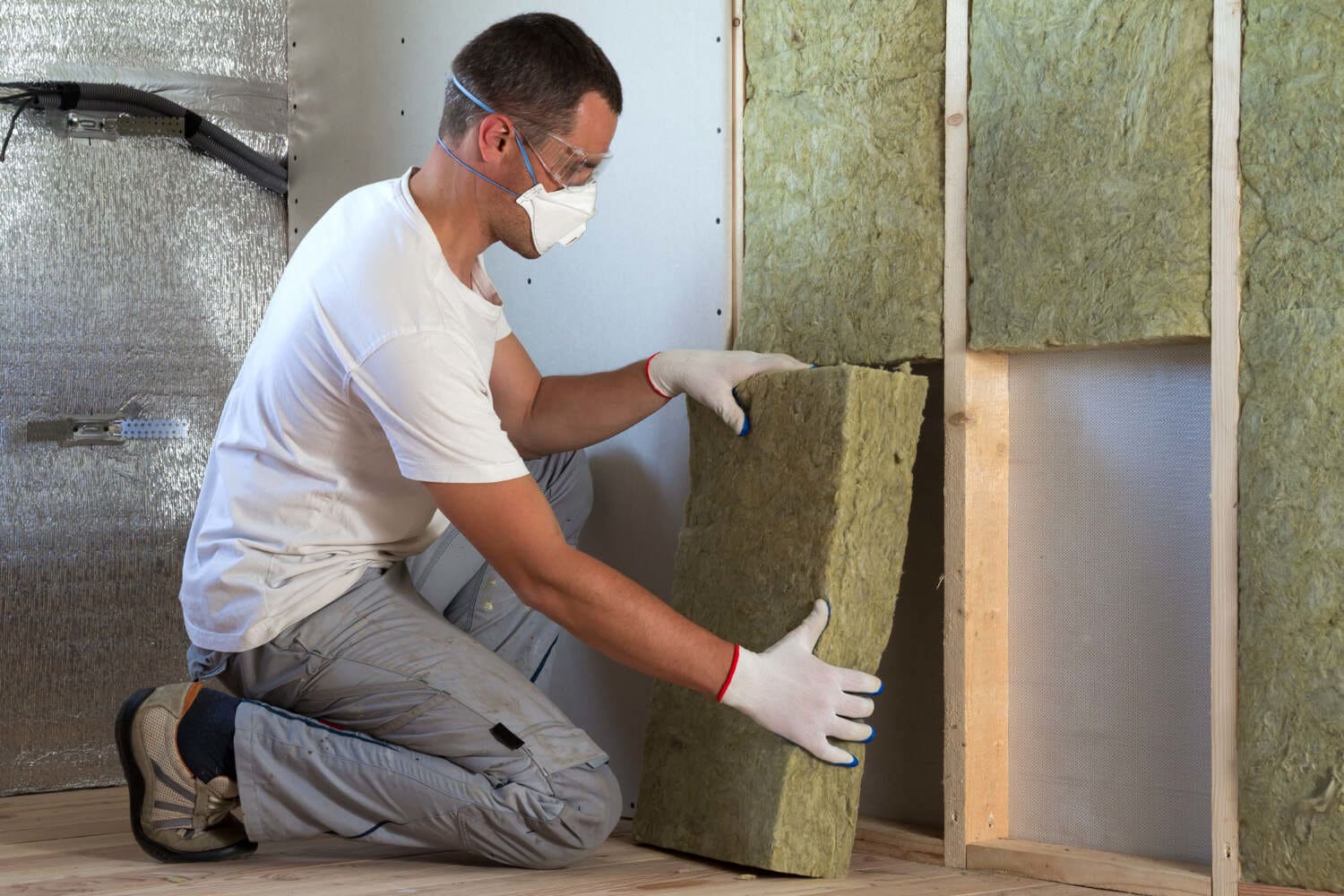
Before any walls go up, the basement needs a proper reset. This step keeps future problems away and makes the space comfortable long-term.
Start by clearing the entire area. Old items hide cracks, dust, and moisture. An empty basement shows the real condition of the space. Using a professional junk removal service helps remove heavy, bulky, or unwanted items quickly and safely, saving time and preventing injury while preparing the basement for proper inspection and planning.
Give special attention to these basics:
- Remove all stored items and debris
- Sweep and vacuum every corner
- Clean walls and floors so materials stick properly
Once the space looks clean, move to sealing. Basements sit below ground, so moisture always tries to find a way in. Even small cracks can cause big issues later.
Do not skip these sealing steps:
- Seal wall and floor cracks
- Close gaps around pipes and corners
- Add a moisture barrier to block damp air
Finish this step with insulation. Insulation controls temperature and helps the basement feel like part of the home.
Focus on insulating these areas:
- Exterior basement walls
- Rim joists near the ceiling
- Ceiling areas if sound control matters
When you clear, seal, and insulate properly, the basement stays dry and comfortable. This step prepares the space for framing, wiring, and everything that comes next.
5. Frame the Walls
Framing the walls is the moment your basement begins to feel like a real living space. This DIY step gives shape to rooms and sets the base for everything that follows.
Start by marking wall lines on the concrete floor and ceiling. Use a chalk line so walls stay straight. Build each wall frame flat on the floor, then lift it into place.
Choose the right materials. Use pressure-treated lumber for bottom plates since they sit on concrete. Use standard 2×4 studs for wall framing. These materials offer strength and better moisture resistance.
While framing, keep these points in focus:
- Leave a small gap between exterior walls and frames
- Plan space for wiring and plumbing
- Frame doors and room openings early
- Check every wall with a level
Secure frames to the floor joists and ceiling. Take your time. Straight framing makes drywall, doors, and trim fit smoothly and cleanly.
6. Install Drywall
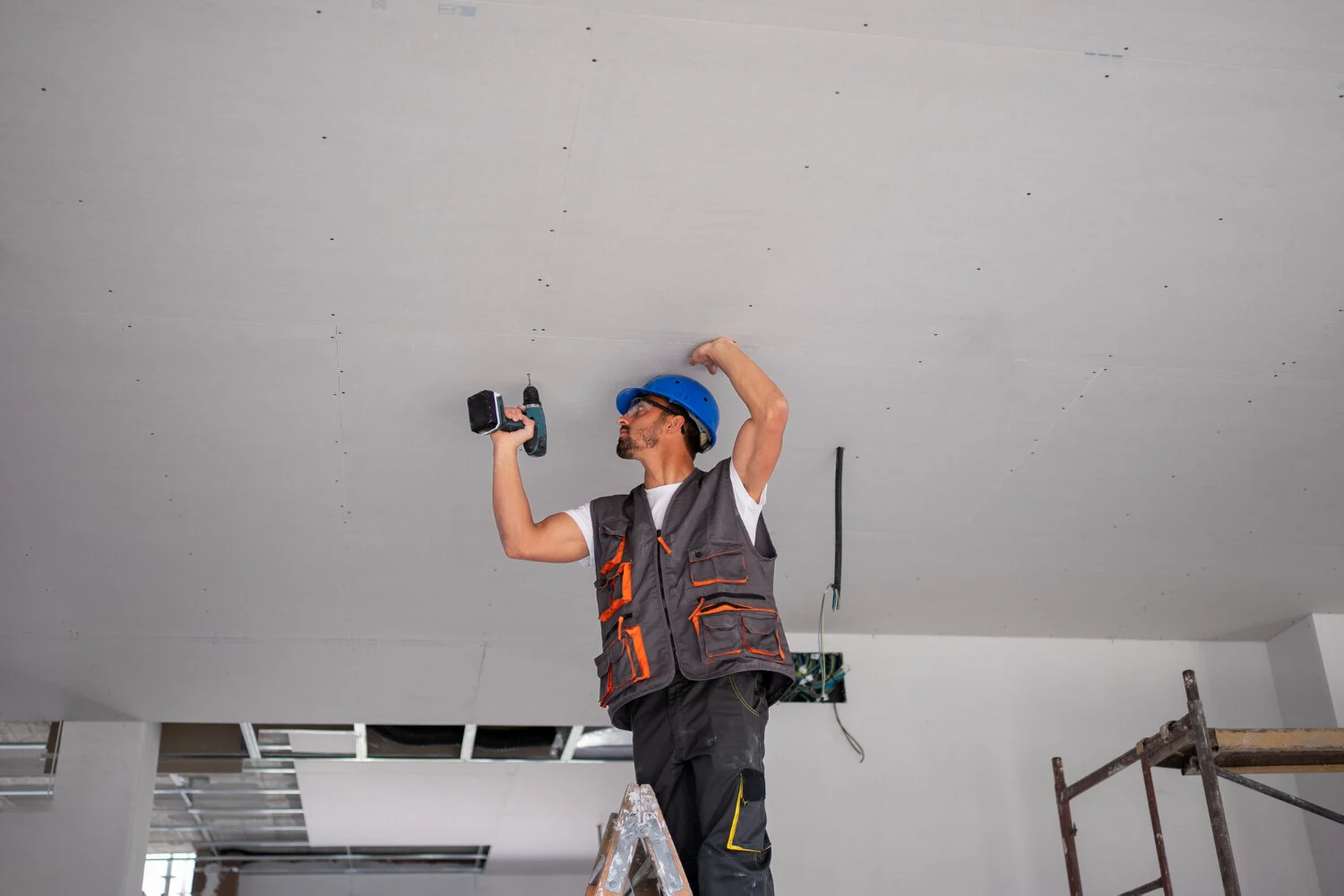
Installing drywall is when your basement finally starts to feel finished. This DIY step covers the wall frames and creates smooth surfaces for paint and trim.
Start with the ceiling first. Ceiling drywall locks the walls in place and gives cleaner edges. Use moisture-resistant drywall, especially in basements.
Measure each section carefully before cutting. Use a utility knife or drywall saw for clean cuts. Lift sheets slowly and secure them to studs with drywall screws.
After the ceiling, move to the walls. Hang full sheets where possible to reduce seams. Make cutouts for outlets, switches, and vents as you go.
Pay close attention to these details:
- Use moisture-resistant drywall on exterior walls
- Keep screw heads slightly below the surface
- Leave small gaps at the edges for expansion
- Check seams for tight alignment
Once drywall is up, tape and apply joint compound. Sand lightly between coats. Smooth drywall makes painting easy and gives the basement a clean, finished look.
7. Install the Ceiling and Finish the Floor
This step brings everything together. Once the ceiling and floor are done, your basement finally feels complete and comfortable.
Install the Ceiling (Clean Look, Easy Access)
Start with the ceiling before touching the floor. Basement ceilings often hold ducts, pipes, and wires, so choose a system that fits your needs.
Best ceiling options for basements:
- Drop ceiling tiles (Armstrong, USG) – easy access for repairs
- Drywall ceiling – clean, solid look
- PVC ceiling panels – moisture-resistant and lightweight
Tools you’ll need:
- Tape measure
- Level
- Chalk line
- Utility knife
- Drill with a screwdriver bit
- Ladder or drywall lift
Basic steps:
- Mark the ceiling height with a level
- Install ceiling grid or drywall panels
- Cut openings for lights and vents
- Secure everything tightly and evenly
Drop ceilings work best for DIY jobs and future access.
Finish the Floor (Durable and Moisture-Safe)
Basement floors must handle moisture and temperature changes.
Best flooring choices:
- Luxury vinyl plank (LVP) – waterproof and easy to install
- Vinyl tile – budget-friendly and durable
- Carpet tiles – warm and easy to replace
- Engineered laminate – only with a moisture barrier
Tools you’ll need:
- Utility knife
- Rubber mallet
- Spacers
- Tape measure
Basic steps:
- Clean and level the concrete
- Install a moisture barrier if needed
- Lay the flooring from one corner
- Lock planks or tiles tightly
This final step turns your basement into a real living space you can enjoy every day.
8. Decorate the Space: Make Your Basement Feel Like Home
Now comes the fun part: decorating the space so it feels warm and inviting. After learning how to finish a basement, decoration helps the room match your lifestyle.
Start with light colors on walls to keep the space bright. Add area rugs to bring warmth and define zones. Use comfortable furniture that fits the ceiling height. Wall art, mirrors, and shelves add personality without clutter. Layer lighting with floor lamps and table lamps to avoid dark corners.
When you decorate with purpose, the basement feels like part of the home. A well-styled space shows the true value of knowing how to finish a basement the right way.
DIY vs Pro Costs: What You’ll Spend at Each Stage
Cost plays a big role when people decide how to finish a basement. Some homeowners enjoy DIY work, while others prefer hiring a professional crew. Both options come with different price ranges.
DIY basement finishing (average cost per stage):
| Work Stage | Estimated DIY Cost Range |
|---|---|
| Cleaning and preparation | $100 – $300 |
| Sealing and insulation | $800 – $1800 |
| Framing materials | $600 – $1200 |
| Electrical supplies | $400 – $900 |
| Plumbing (basic) | $500 – $1500 |
| Drywall and finishing | $700 – $1400 |
| Ceiling and flooring | $1200 – $3000 |
Total DIY cost usually ranges from $4,000 to $10,000, depending on size and materials.
Professional basement finishing costs:
| Work Stage | Typical Professional Cost Range |
|---|---|
| Cleaning and junk removal | $300 – $800 |
| Moisture sealing and insulation | $1500 – $4000 |
| Framing and carpentry labor | $2000 – $5000 |
| Electrical work (labor + materials) | $1500 – $4500 |
| Plumbing work (basic installs) | $2000 – $6000 |
| Drywall installation and finishing | $2500 – $6000 |
| Ceiling installation | $1500 – $4000 |
| Flooring installation | $2000 – $6500 |
| Permits and inspections | $500 – $1500 |
Total professional basement finishing costs $15,000 – $35,000+, depending on size, layout, and material choices. Understanding these costs helps you plan how to finish a basement without budget surprises.
Conclusion
Finishing a basement takes planning, time, and the right approach. You need a dry foundation, proper insulation, strong framing, safe electrical work, and clean finishes for the space to feel comfortable and last long. Once you understand what it takes to finish a basement, the process becomes clearer and far less overwhelming.
The key is to work step by step instead of rushing and to fix problems before covering them up. For many homeowners, the easy way to finish basement projects is to handle simple tasks on their own and bring in help only when needed.
With smart planning and patience, an unused basement can turn into a warm, useful space that adds real value to your home.
FAQs About How to Finish a Basement
How to finish a basement step by step for beginners?
Most beginners want a clear order, from prep and framing to drywall, flooring, and final setup.
How much does it cost to finish a basement?
Costs depend on size, materials, and whether you do it yourself or hire professionals.
Do I need permits to finish a basement?
Yes, permits are often required for electrical work, plumbing, walls, and added rooms.
How to finish a basement with low ceilings?
Low ceilings need smart lighting, slim fixtures, and simple layouts to feel open.
What is the easiest way to finish a basement on a budget?
Many homeowners save money by doing prep, framing, and painting themselves.
How long does it take to finish a basement?
A DIY project may take weeks or months, while professionals usually finish faster.
Shushmita Karmakar is an experienced content writer at Wecycle, with over 3 years of expertise creating clear, helpful, and SEO-focused content. She specializes in writing about junk removal, recycling, and sustainable waste solutions, helping readers make informed, eco-friendly choices. Her work combines practical insights with an easy-to-read style that connects with both homeowners and businesses.
Read our latest blog posts

Need junk gone fast? See pricing in your area
Enter your zip code to see if Wecycle operates in your location.