BLOG / OTHER
Where to Get Free Moving Boxes: 15 Places That Actually Have Them
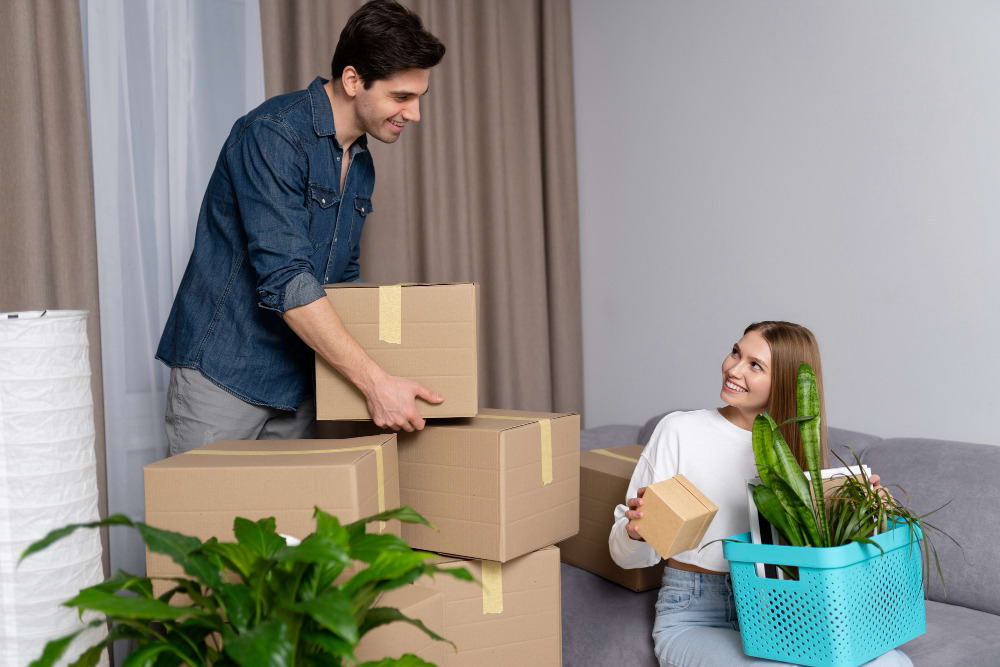
Moving is expensive enough without spending $200 or more on brand new cardboard. If you're staring down a stack of unpacked rooms and wondering where to get free moving boxes, the good news is that they're easier to find than most people think. You just need to know where to look and how to ask.
Nearly 15 million adults relocated in the US in 2025, and the average move now costs around $3,020. Boxes are a small slice of that number on paper, but a full three bedroom home can easily need 60 to 80 boxes, and buying them new at $1 to $3 apiece adds up fast. Sourcing them for free is one of the simplest ways to trim that bill, and it keeps sturdy cardboard out of the landfill for a little longer too.
The fastest places to get free moving boxes are grocery stores, liquor stores, and big box retailers like Costco, Walmart, and Home Depot, since they toss out dozens of sturdy boxes every day. Beyond retail, check Facebook Marketplace, Nextdoor, and Buy Nothing groups for people giving away boxes right after their own move, or ask your workplace, local schools, and recycling centers, which often set spare boxes aside for anyone who asks. Here's a real, practical list of where to find free moving boxes, plus a few tips on how to make sure the ones you pick up are actually worth hauling home.
15 Best Places to Get Free Moving Boxes
New moving boxes can be surprisingly expensive, but you don't have to buy them for every move. Many local businesses, retailers, and community groups are happy to give away sturdy moving boxes instead of recycling them. With a little planning and good timing, you can collect plenty of free moving boxes that are clean, durable, and ready to protect your belongings. Here are some of the best places to get free moving boxes and save money on packing.
1. Grocery Stores
Grocery stores go through an enormous number of boxes every single day, and most are happy to hand over the ones they'd otherwise flatten and toss. Produce boxes, cereal cases, and beverage boxes are usually thick enough for books, kitchenware, and other heavier items.
The trick is timing. Ask the stocking crew early in the morning or right after a delivery truck leaves, before the boxes get broken down for recycling. Steer clear of anything that held raw meat or produce with a lot of moisture, since those boxes tend to be weaker and can carry lingering odors.
2. Liquor Stores
Liquor store boxes are some of the sturdiest free moving boxes you can find. They're built to hold glass bottles without shifting, which makes them ideal for dishes, glassware, and other fragile items. Many even come with built in dividers you can reuse for wine glasses or mason jars.
Call ahead and ask when the next shipment is due, since staff will often set boxes aside if you give them a little notice.
3. Bookstores
Books are heavy, so bookstores receive their inventory in dense, double walled boxes that hold up well under weight. These are some of the best free boxes for packing your own book collection, kitchen items, or anything else that's compact but heavy. Independent shops are often more flexible than large chains, so it's worth calling a local bookstore before trying the bigger names.
4. Big Box Retailers
Stores like Walmart, Target, Costco, Sam's Club, and BJ's move through pallets of inventory constantly, which means a steady supply of clean, uniform boxes. Warehouse clubs in particular tend to have larger, extra sturdy boxes since their products are bulkier. Late night or early morning restocking hours are your best bet, since that's when staff are actively breaking down shipments.
5. Home Improvement Stores
Home Depot and Lowe's receive appliances and fixtures in oversized, reinforced boxes that work well for bulky or awkwardly shaped items. Ask at the customer service desk or in the receiving area, since these boxes don't always make it to the sales floor.
6. Office Supply Stores
Staples and similar office supply retailers stock paper, electronics, and furniture, all of which arrive in boxes ranging from small to extra large. These are a solid source if you need a mix of sizes for office equipment, files, or electronics you're moving yourself.
7. UPS Stores and Shipping Centers
Shipping centers often have extra boxes left over from packages that didn't need them, plus overstock from their own supply. It's worth a quick call to ask if they have anything spare, especially mid-week when foot traffic is lighter.
8. Your Workplace
Offices receive shipments of paper, supplies, and equipment year round. Ask around the mailroom or supply closet, since coworkers are usually glad to clear out the pile of flattened boxes sitting in a corner. This works especially well in larger companies with a steady stream of deliveries.
9. Schools, Libraries, and Community Centers
Schools and libraries take in book orders, supply shipments, and equipment on a regular basis, and staff are typically willing to give away the empty boxes rather than deal with recycling them. A quick call to the front office is usually all it takes.
10. Recycling Centers
Local recycling centers or transfer stations often collect a steady stream of clean, flattened cardboard. Some set aside a "take a box, leave a box" pile specifically for people who need one. Call ahead to confirm the policy, since not every facility allows pickup.
11. Friends, Family, and Neighbors
This one sounds obvious, but it's consistently one of the best sources. People who moved in the past year almost always have boxes sitting in a garage or closet that they'd love to get rid of. A quick post in a group chat or a message to a few neighbors can turn up more boxes than you expect.
12. Facebook Marketplace and Buy Nothing Groups
Search "moving boxes" on Facebook Marketplace and filter by newest listings, then check back daily since new posts come in constantly. Local Buy Nothing groups are another underused resource. People who just finished packing are often eager to hand off a stack of boxes the same day, so respond quickly and be flexible on pickup time.
13. Nextdoor
Nextdoor connects you directly with people in your immediate area, which makes pickup logistics much easier than a citywide marketplace. Post a request or search existing listings, since someone nearby has very likely just finished unpacking and is looking to clear their garage.
14. Craigslist and Local Classifieds
The free section on Craigslist is still active in most cities, and it's worth checking daily during peak moving season, which tends to run from late spring through early fall. Other regional classified sites can turn up listings too, particularly in areas with a smaller Craigslist presence.
15. Moving Company Box Exchange Programs
Some national movers run informal box exchange programs where customers drop off boxes they no longer need for others to take. It's not guaranteed inventory, but it costs nothing to check what's available before buying new.
Comparing Your Best Options
| Source | Box Quality | Best For | Availability |
|---|---|---|---|
| Liquor stores | Very sturdy | Dishes, glassware | Moderate, call ahead |
| Bookstores | Sturdy, double walled | Books, heavy items | Moderate |
| Big box retailers | Sturdy, uniform sizes | General packing | High, daily restocks |
| Grocery stores | Mixed, some flimsy | Light to medium items | High |
| Facebook Marketplace / Nextdoor | Varies | Whole household moves | High during moving season |
| Recycling centers | Varies, often flattened | General packing | Moderate, call first |
| Friends and neighbors | Usually good | Any use | Varies |
Tips for Choosing Free Moving Boxes
A free box is still only useful if it holds up during the move. A few habits will save you from a blown-out bottom halfway up the stairs.
-
Inspect before you load. Check for water stains, soft spots, or bug damage. A box that's been sitting in a damp garage will not survive a full load of books.
-
Reinforce the bottom. Even sturdy boxes benefit from an extra strip of packing tape along every seam, especially the bottom, before anything goes inside.
-
Skip food boxes for storage. Many storage facilities won't accept boxes that once held food, since they can attract pests. If you're moving straight into a new home this usually isn't an issue, but keep it in mind if anything is headed to storage first.
-
Match the box to the load. Use smaller boxes for heavy items like books and larger boxes for lightweight, bulky things like linens or pillows. This keeps individual boxes manageable and reduces the odds of a box splitting apart.
-
Start collecting early. Give yourself two to three weeks before your move date. This spreads out your box hunting instead of leaving you scrambling for last minute buys, and it means you can be selective about quality instead of taking whatever you can find.
What to Do With Your Boxes After the Move
Once you've unpacked, don't let the boxes pile up in the garage. According to the American Forest & Paper Association, more than 33 million tons of cardboard was recycled in the US in 2024, putting the national cardboard recycling rate between 69 and 74 percent, one of the highest rates of any recyclable material. Flattening your boxes and recycling or passing them along keeps that cycle going.
If your boxes are still in good shape, offer them up on the same platforms where you found yours, or leave a stack by the curb with a "free" sign. Anything torn, stained, or too worn to reuse should go straight into your recycling bin or a responsible junk removal pickup if you have a larger pile of packing waste to clear out. And if the move left you with more than just boxes to sort through, our guide on how to declutter before moving walks through the four box method for deciding what to keep, donate, recycle, or trash.
Frequently Asked Questions
Where can I get free moving boxes near me?
Check grocery stores, liquor stores, bookstores, and big box retailers first, since they receive daily shipments and usually have boxes on hand. Facebook Marketplace, Nextdoor, and local Buy Nothing groups are strong backups, especially during peak moving months.
How many boxes do I need for a move?
A one bedroom apartment typically needs 20 to 30 boxes, while a three to four bedroom home can require 60 to 100, depending on how much you own. It's smart to gather a few extra since you'll almost always need more than you think.
Are free moving boxes safe to use?
Most are, as long as you inspect them for water damage, soft spots, or pest activity before loading anything heavy inside. Reinforce the bottom seams with tape and avoid stacking too many heavy boxes on top of each other.
What's the best time to ask stores for free boxes?
Early morning or right after a delivery truck arrives is ideal, since that's when staff are actively unpacking shipments and boxes haven't been flattened for recycling yet.
Where can I find specialty boxes like wardrobe or dish boxes for free?
These are harder to source for free since they're built for a specific purpose. Check Facebook Marketplace and Nextdoor first, or ask a local moving company if they have any extras from a recent job.
Tabassum Kabir is a content writer who enjoys digging into new topics and turning her findings into clear, useful content. She keeps her writing simple, honest, and easy to follow, making her work engaging for any reader.
Need junk gone fast? See pricing in your area
Enter your zip code to see if Wecycle operates in your location.