BLOG / PRICING
How Much Does Attic Insulation Removal Cost? (2026 Guide)
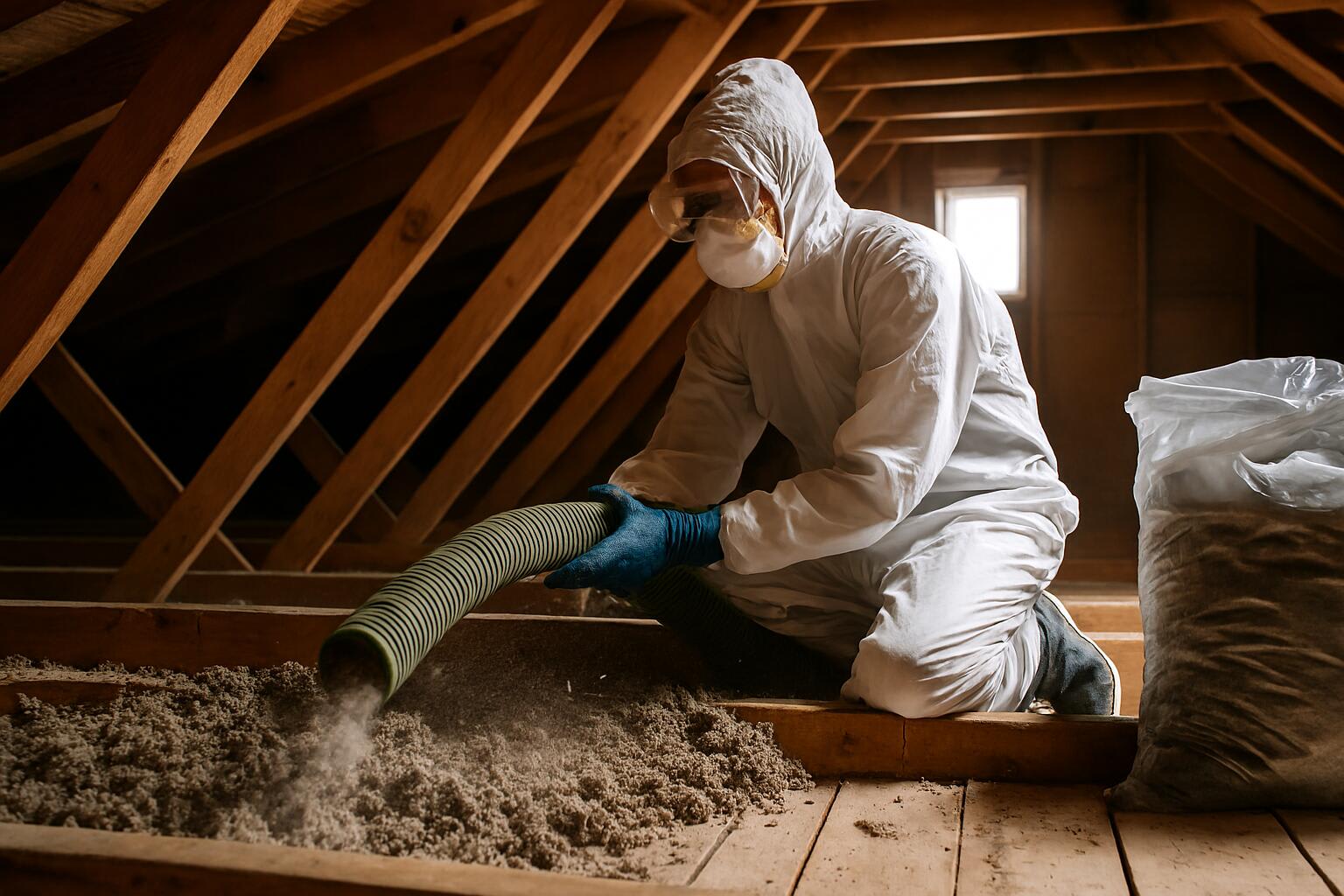
If you’re searching to know “how much does attic insulation removal cost”, great! You’re in the right place.
Whether you've spotted mold up there, you're dealing with pest damage, or you're just upgrading before winter hits, you need real numbers, not vague estimates.
And let's be honest, attic insulation removal isn't exactly cheap. But it's one of those things that can save you serious money and headaches down the road.
Let's break down exactly what you'll pay and why. No fluff, just the facts you actually need.
Key Takeaways
- Cost per square foot is usually $1 to $2. Depending on the insulation type and condition.
- Most homeowners spend $1,500 to $3,000 for a standard attic.
- Pricing effects by material type, accessibility, labor, debris cleanup and any signs of damage.
What You’ll Pay for Attic Insulation Removal?
When you start looking into attic insulation removal costs, the numbers can feel a bit overrated.
The truth is, it depends on what’s hiding up there and how much square footage you’re dealing with. Here’s the breakdown in plain, no-drama.
Cost per Square Foot
Most pros charge based on size, and the typical insulation removal cost per sq ft lands between $1 and $2. Lighter materials like fiberglass sit on the cheaper side, while heavier or compacted materials bump the price up.
If your attic has mold, rodent droppings, or damaged insulation that needs extra cleanup, expect the rate to climb. The more difficult the removal, the more your wallet feels it. Pretty straightforward.
This range also applies to related searches homeowners often make, like how much to remove insulation from attic and attic insulation removal price. They all circle back to the same formula: square feet times the complexity of the mess.
Total Cost for Small, Medium & Large Attics
For each size cost is as per:
Small attics (500–700 sq ft):
Usually $500 to $1,400, depending on access and cleanup needs.
Medium attics (800–1,200 sq ft):
Most homeowners fall here, paying around $1,500 to $2,500.
Large attics (1,300–2,000+ sq ft):
These can land anywhere from $2,600 to $4,000+, especially if the insulation is old, compacted, or hiding a surprise or two.
Bigger space = more labor + more disposal = more money. No big mystery.
Calculate Your Junk Removal Cost
CalculatorCost to Remove & Replace Insulation
If you’re doing the full upgrade, removal plus fresh insulation, the cost changes.
Removing old insulation averages $1–$2 per sq ft, and adding new insulation (like blown-in cellulose or fiberglass batts) adds another $1.50–$5 per sq ft, depending on what material you choose.
Most homeowners spend $3,000 to $7,000 total for a full remove-and-replace job. It’s basically the comfort glow-up your home’s been begging for.
Read More: How Much Does Junk Removal Cost
What Affects the Cost of Removing Old Insulation?
Attic insulation removal isn’t a one-price-fits-all job. The final bill depends on a handful of factors that can nudge the cost up or down.
Think of it like ordering pizza: the base price is simple, but every topping changes the total. Here’s what actually drives the cost.
Size of the Attic
Bigger attics take more time, more labor, and more hauling away of old insulation.
A small attic might take a couple of hours, while a large one can turn into an all-day job.
Since most pros charge per square foot, size is the first thing they look at.
Type of Insulation (Fiberglass, Cellulose, Spray Foam, etc.)
Not all insulation behaves the same.
• Fiberglass is usually the easiest to remove and sits on the lower end of the cost range.
• Cellulose can be messy and heavier, which bumps labor time.
• Spray foam is the real wildcard. It takes serious effort to scrape off, so it often increases removal costs.
Different material, different headache level, different price.
Condition of the Attic (Mold, Moisture, Rodents)
If your attic has mold, moisture damage, or the charming scent of rodents, the cost goes up. These issues require extra safety gear, disinfecting, and deeper cleanup.
Mold remediation and pest cleanup aren’t usually included in basic insulation removal, so they add to the total.
Read Also: How to Clean Your Attic - Easy Steps
Accessibility & Ceiling Height
If your attic has awkward angles, low ceilings, or a tiny entry hatch, be ready for a higher quote. Tight or cramped spaces slow everything down.
Pros charge more when working in areas that feel like crawling into a suitcase.
Cleanup, Disposal & Decontamination Fees
Old insulation doesn’t magically disappear. It has to be vacuumed out, bagged, hauled away, and disposed of properly.
Some companies charge flat disposal fees; others build it into the per-square-foot rate. If your attic needs decontamination, that’s another add-on.
Regional Labor Rates
Where you live matters. Areas with higher labor costs naturally have higher insulation removal prices.
A homeowner in rural Alabama won’t pay the same as someone in California or New York. It’s all tied to local labor rates, demand, and disposal fees.
When You Should Remove Attic Insulation?
Knowing when to remove attic insulation can save you from bigger headaches down the road. Here’s what to watch out for:
Mold or Water Damage
If your attic has experienced leaks or persistent moisture, your insulation could be harboring mold.
Not only does this hurt your energy efficiency, it can also cause serious health issues. Removing and replacing damp insulation is usually the safest move.
Pest Infestations
Rodents, birds, or insects can make themselves at home in your insulation. Chewed-up fiberglass or cellulose not only loses effectiveness but can spread disease.
A proper removal ensures your attic is pest-free before new insulation goes in.
Asbestos or Vermiculite Concerns
Older homes sometimes used asbestos or vermiculite insulation. Disturbing it without professional help is dangerous.
If there’s a chance your attic contains these materials, removal should be handled by licensed specialists. Safety first!
Smoke or Fire Damage
Fire or smoke can leave insulation contaminated and less effective. Even if it looks okay, lingering particles and odors can reduce indoor air quality.
Replacing it is usually better than trying to salvage.
Major Air Leaks or Energy Loss
Sometimes, the problem isn’t damage but inefficiency. If your attic insulation is old, compressed, or uneven, it may no longer keep your home energy-efficient.
Removing and upgrading it can reduce your heating and cooling bills significantly.
How the Attic Insulation Removal Process Works?
Removing old attic insulation might sound like a big mess and, well, it kind of is. But knowing what to expect makes it way less stressful. Here’s a step-by-step look at how pros tackle it:
Pre-Removal Inspection
Before a single fiber is disturbed, a thorough inspection is key. Professionals check for mold, moisture, pests, and old materials like asbestos or vermiculite.
This helps determine the safest removal method and estimate costs.
Vacuum vs. Manual Removal (Based on Insulation Type)
The removal method depends on what’s up there. Loose-fill cellulose or fiberglass can often be vacuumed with industrial machines, while denser or spray-foam insulation may require manual scraping.
Either way, the goal is to extract all insulation efficiently and safely.
Bagging, Cleanup & Debris Disposal
Once insulation is removed, it’s bagged and hauled away. Cleanup is crucial! Tiny fibers and dust can irritate your skin or lungs if left behind.
Professional removal often includes disposing of insulation according to local regulations, saving you a trip to the landfill.
Sanitizing & Preparing the Attic for New Insulation
After old insulation is gone, the attic gets a proper sanitization and prep. This can include pest treatments, sealing air leaks, or repairing moisture damage.
A clean, dry attic ensures your new insulation will perform at its best, keeping your home comfortable and energy-efficient.
DIY vs. Hiring a Professional
Deciding between tackling attic insulation removal yourself or calling in the pros? Let’s break it down so you know what you’re really signing up for.
Cost Comparison
DIY might look cheaper upfront. You’re saving on labor, but remember the hidden costs: renting heavy-duty vacuums, buying protective gear, and disposal fees.
Professional removal may cost more initially, but it often includes labor, equipment, and safe disposal, making it worth considering.
What DIY Requires (Tools, Safety Gear, Risks)
If you go the DIY route, you’ll need the right tools: industrial vacuums, sturdy gloves, protective suits, goggles, and masks.
That’s just the start. Insulation dust can irritate your lungs and skin, and old insulation may contain mold, rodent droppings, or asbestos. It’s not just messy; it can be hazardous.
When DIY Becomes Unsafe
Certain situations are red flags for DIYers. Asbestos, vermiculite, mold, water damage, or high ceilings push the risk into professional territory.
Even if you’re confident, these issues require specialized equipment and experience to handle safely.
Benefits of Professional Removal
Professionals know the ins and outs of attic insulation removal cost, efficient extraction, and proper disposal. They can spot hidden problems, prevent damage, and prep your attic for new insulation - all while keeping you safe.
Plus, they often finish faster than any weekend DIY project, letting you enjoy a cleaner, more energy-efficient attic sooner.
Cost to Add New Insulation After Removal
Removing old insulation is just the first step. The next is adding new insulation, and knowing the costs and benefits upfront can save both money and headaches.
Cost per Square Foot for New Installation
On average, new attic insulation runs between $1.5 and $3 per square foot, depending on the type. Spray foam leans toward the higher end, while fiberglass or cellulose tends to be more budget-friendly. Factor in the attic size, accessibility, and labor rates for a more accurate estimate.
Choosing the Right Type of Insulation
Picking the right insulation isn’t just about cost, it’s about performance. Fiberglass is common and affordable, cellulose is eco-friendly, and spray foam offers excellent air sealing.
Consider your home’s climate, energy goals, and attic structure. The right choice maximizes comfort and efficiency while preventing issues that could require removal down the line.
Energy Savings & Long-Term Value
Good insulation pays for itself over time. Proper installation reduces heating and cooling costs, prevents drafts, and keeps your home comfortable year-round. Even if the upfront cost feels steep, the long-term savings and improved home value often make it a smart investment.
How to Save Money on Attic Insulation Removal
Getting your attic insulation removed doesn’t have to drain your wallet. With a few smart moves, you can cut costs without cutting corners.
Combining Removal + Installation
Many contractors offer discounts when you bundle removal and new insulation installation. This combo saves on labor and transport fees. Ensures your attic is prepped and ready for maximum efficiency.
Seasonal Pricing
Believe it or not, timing can affect price. Insulation contractors often have slower seasons in spring and fall, so scheduling during these times can land you better rates compared to peak summer or winter months.
Rebates & Energy Credits
Check for local rebates, tax incentives, or energy credits. Installing energy-efficient insulation after removal may qualify you for savings that significantly reduce your out-of-pocket cost. A little research can pay off big.
Getting Multiple Quotes
Don’t settle for the first estimate. Getting multiple quotes from reputable contractors helps you gauge the average cost in your area and find the best deal. Make sure each quote includes removal, disposal, and installation details to avoid surprise fees.
FAQs About Attic Insulation Removal
Got questions about attic insulation removal? We’ve got answers! From costs to DIY safety tips, everything you need to know is right here.
Do I need to remove old insulation before adding new?
Usually, yes. Installing new insulation over old, damaged, or compressed insulation can reduce efficiency and hide potential problems like mold or pests. A clean slate ensures your new insulation works at full capacity.
How long does removal take?
It depends on your attic size and insulation type. A small attic with loose-fill insulation might take a few hours, while larger spaces or spray foam removal can take a day or more. Professionals can usually finish faster and cleaner than a DIY effort.
What insulation lasts the longest?
Spray foam and fiberglass batts are among the most durable options. Cellulose works well but may settle over time. Choosing the right insulation type helps avoid frequent replacements and keeps your energy bills lower in the long run.
Is it safe to remove insulation myself?
DIY removal can be safe if you have proper tools, protective gear, and know what you’re dealing with. However, old insulation may contain mold, asbestos, or rodent contamination, making professional removal the safer choice in many cases.
Can you leave old insulation if it’s still in decent shape?
If the insulation is clean, dry, and undamaged, you can often leave it in place. But inspection is key. Any signs of moisture, pests, or compression mean it’s better to remove and replace for optimal performance.
Should I replace 20-year-old insulation?
Even if it looks okay, 20-year-old insulation may have lost R-value and efficiency. Removing it and installing new insulation can improve comfort, reduce energy bills, and prevent future problems like mold or air leaks.
Sabbir Kabir is a content manager at WeCycle with over 5 years of experience in creating content about junk removal services, eco-friendly waste disposal, and sustainable recycling practices. Passionate about promoting environmental responsibility, Sabbir shares actionable insights to help homeowners and businesses adopt greener, cleaner waste management solutions.


Need junk gone fast? See pricing in your area
Enter your zip code to see if Wecycle operates in your location.