BLOG / PRICING
Hazardous Waste Disposal Cost: A Complete Guide
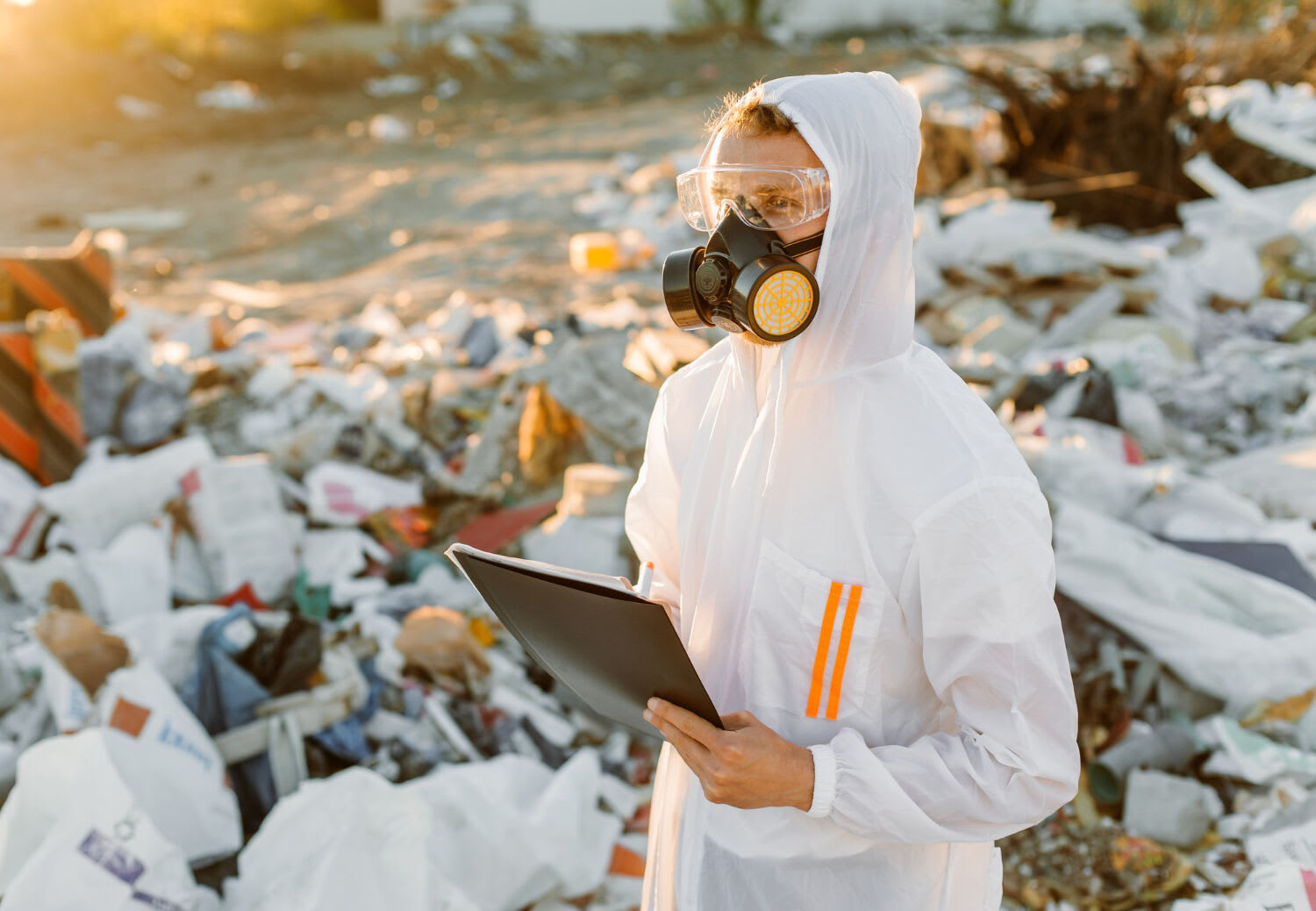
If you’re wondering, “How much does hazardous waste disposal cost?” you’re not alone. The truth is, there’s no one-size-fits-all answer. Costs depend on the type of waste, its volume, your location, and the disposal method.
In this article, we’ll break down the main cost drivers, typical pricing ranges, real-world examples, and tips to estimate your own hazardous waste disposal cost with confidence.
What is Hazardous Waste?
Hazardous waste refers to materials that are dangerous or potentially harmful to people, animals, or the environment. The type of waste you’re disposing of directly affects the cost, so it’s important to know what qualifies as hazardous.
Common examples include:
- Household chemicals: Paints, solvents, pesticides, and cleaning agents
- Electronic waste (E-waste): Old batteries, computers, and cell phones
- Industrial chemicals: Oils, heavy metals, and manufacturing byproducts
- Medical or biohazard waste: Needles, pharmaceuticals, and lab materials
Different types of hazardous waste require different disposal methods. Some are cheaper to handle (like household chemicals), while often cost significantly more due to strict safety regulations.
Know more: Hoarder Junk Removal: A Comprehensive Guide
Factors That Drive the Cost
Understanding why hazardous waste disposal prices vary is key to budgeting accurately. Here are the top cost drivers:
Waste Classification & Hazard Level
- “Listed” wastes from regulatory lists or materials with high toxicity, reactivity, or persistence usually cost more.
- Mixed wastes or unknown materials are more expensive because they require testing and special handling.
Treatment & Disposal Method
- Costs differ depending on the method: incineration, stabilization, chemical treatment, high-temperature oxidation, hazardous landfill, or recycling.
- Some wastes need pre-treatment, such as neutralization, before disposal.
Transportation & Logistics
- Hazmat transport requires certified drivers, specialized vehicles, and insurance.
- Additional costs may include fuel surcharges, distance traveled, number of pickups, and stop charges.
- Industry sources report transport fees can range from $65–$200 per drum, depending on material, distance, and frequency.
Testing, Profiling & Designations
- Unknown waste often requires lab testing which adds extra costs.
- When waste doesn’t fit standard streams, surcharges or “unknown” treatment fees may apply.
Quantity & Packaging
- Bulk volumes often reduce per-unit costs due to economies of scale.
- Packaging requirements drums, overpacks, liners, or containment systems can increase expenses.
Local & State Regulatory Fees
- Some states charge generator or disposal fees.
- Landfill or facility “tipping fees” may be higher for hazardous loads.
- Example: Ohio charges $4.75 per ton on solid waste to fund hazardous waste programs and remediation.
Surcharges & Ancillary Fees
- Additional fees may include permits, manifesting, reporting, emergency response, insurance, and labor minimums.
- Some cities add stop fees or freight surcharges. For example, Tulsa’s bid included $45 per drum freight.
Learn more: How to Get Free Junk Removal: The Complete Guide
Average Hazardous Waste Disposal Costs in the USA
While prices vary widely depending on waste type, volume, and location, here’s a general overview of typical disposal costs in the USA:
| Type of Waste | Average Cost (USD) | Notes |
|---|---|---|
| Household chemicals (paints, cleaners, small solvents) | $10–$50 per gallon | Free or discounted during local collection events |
| E-waste (computers, TVs, batteries) | $10–$100 per item | Some electronics retailers offer free recycling |
| Industrial chemicals | $100–$500 per drum | Higher toxicity and treatment needs increase costs |
| Medical/Biohazard waste | $0.50–$2 per pound | Must follow strict handling regulations |
| Pesticides & fertilizers | $1–$3 per pound | State programs may subsidize collection fees |
Calculate Your Junk Removal Cost
CalculatorHow to Save on Hazardous Waste Disposal
Proper hazardous waste disposal doesn’t have to drain your budget. With a little planning, you can keep costs under control while staying compliant with environmental laws. Here are the most effective ways to save:
1. Take Advantage of Local Collection Programs
Many cities and counties in the U.S. hold free or low-cost hazardous waste collection events for residents. These programs often accept items like paint, pesticides, motor oil, and batteries without charging a disposal fee. Check your city’s waste management website for upcoming events.
2. Recycle When Possible
Some materials classified as hazardous such as electronics, batteries, and used oil. These can often be recycled at no cost. Many hardware stores, automotive shops, and electronics retailers offer recycling bins or trade-in programs.
3. Minimize Waste Generation
Buy only what you need, use up existing chemicals before buying new ones, and store materials properly to extend their shelf life. Reducing your waste volume means you’ll pay less per load.
4. Combine or Consolidate Shipments
If you’re disposing of waste regularly, combining smaller quantities into larger, scheduled pickups can reduce per-drum or per-stop charges.
5. Use Certified Disposal Partners
Hiring a licensed, certified hazardous waste hauler ensures compliance and safety and may save you money in the long run by avoiding fines or costly cleanup liabilities.
6. Know What You’re Disposing
Label and categorize your waste accurately before disposal. “Unknown” or mixed waste streams usually require testing and profiling, which adds unnecessary cost.
Pro Tip: Keeping detailed waste records and disposal manifests helps you track costs, identify savings, and stay compliant with EPA and state regulations.
Know more: Top 6 Junk Removal Tips You Need to Know
Household vs Business Hazardous Waste Disposal Costs
Hazardous waste costs differ depending on whether the materials come from a household or a business.
Household Hazardous Waste
Common examples include:
- Paint cans
- Batteries
- Household cleaners
- Pesticides
- Fluorescent bulbs
Residential disposal often costs less because many local collection programs subsidize services or offer designated disposal events.
Business Hazardous Waste
Commercial disposal often involves:
- Industrial chemicals
- Manufacturing waste
- Medical waste
- Solvents
- Laboratory waste
Business costs are usually higher because they involve compliance documentation, permits, recurring pickups, and larger volumes of waste.
Learn Also: How to Dispose of a Grill
Legal and Safety Considerations
Disposing of hazardous waste isn’t just a financial matter. It’s a legal responsibility. Both individuals and businesses must follow strict EPA and state regulations to prevent harm to public health and the environment. Failing to do so can lead to serious consequences.
Federal and State Regulations
The U.S. Environmental Protection Agency (EPA) classifies and regulates hazardous waste under the Resource Conservation and Recovery Act (RCRA). Each state may also have additional requirements regarding transportation, storage, and treatment. Before disposal, make sure your waste is properly labeled, packaged, and handled by an approved facility or hauler.
Fines and Penalties
Improper disposal or illegal dumping can result in steep fines.
- Households: Fines can reach hundreds of dollars per violation.
- Businesses: Violations under the RCRA can exceed $50,000 per day and may include criminal charges for repeated offenses.
Environmental and Health Risks
Hazardous waste that ends up in regular trash or landfills can:
- Contaminate soil and groundwater
- Release toxic fumes into the air
- Harm sanitation workers and nearby communities
- Proper handling protects not just the environment but also your employees, family, and community.
Bottom line: The cost of compliance is far lower than the potential damage, fines, and long-term risks of unsafe disposal.
Conclusion
The cost of hazardous waste disposal can vary widely from a few dollars per gallon for household chemicals to hundreds per drum for industrial waste. But understanding what drives those costs helps you plan smarter and stay compliant.
By identifying your waste type, exploring local collection options, and partnering with certified haulers, you can keep expenses manageable while protecting your community and the environment.
If you’re looking for a safe, affordable, and eco-friendly way to dispose of hazardous waste, GetWeCycle.com makes it easy. Our team ensures responsible handling, transparent pricing, and compliance with all local and federal regulations. So you can dispose with confidence. Sign up today.
Frequently Asked Questions (FAQs)
How much does hazardous waste disposal cost?
The cost varies based on waste type, quantity, and disposal method. On average, households may pay $10–$50 per gallon, while businesses can expect $100–$500 per drum for industrial waste. Prices can also fluctuate depending on transportation and state regulations.
Can I dispose of hazardous waste at home?
No, you should never throw hazardous materials in regular trash or pour them down the drain. Instead, use your local hazardous waste collection program or a certified disposal company like GetWeCycle.com to ensure safe and compliant handling.
What items count as hazardous waste?
Common examples include paint, motor oil, pesticides, batteries, cleaning agents, solvents, and electronic waste. Medical or industrial byproducts also qualify as hazardous and must be disposed of through certified facilities.
Why is hazardous waste disposal so expensive?
Costs are driven by factors like toxicity, volume, treatment method, and transportation. Hazardous materials often require special handling, testing, and regulatory compliance, all of which increase the price.
How can I reduce hazardous waste disposal costs?
You can save by:
- Participating in free local collection events
- Recycling eligible items like electronics and batteries
- Reducing waste generation through better inventory management
- Consolidating shipments to cut per-pickup charges
Is it cheaper to recycle hazardous waste?
In many cases, yes. Materials such as batteries, oil, and electronics can often be recycled at little or no cost, making recycling both an economical and environmentally friendly option.
Sabbir Kabir is a content manager at WeCycle with over 5 years of experience in creating content about junk removal services, eco-friendly waste disposal, and sustainable recycling practices. Passionate about promoting environmental responsibility, Sabbir shares actionable insights to help homeowners and businesses adopt greener, cleaner waste management solutions.


Need junk gone fast? See pricing in your area
Enter your zip code to see if Wecycle operates in your location.