BLOG / HOW TO
How to Dispose of a Microwave Safely and Responsibly
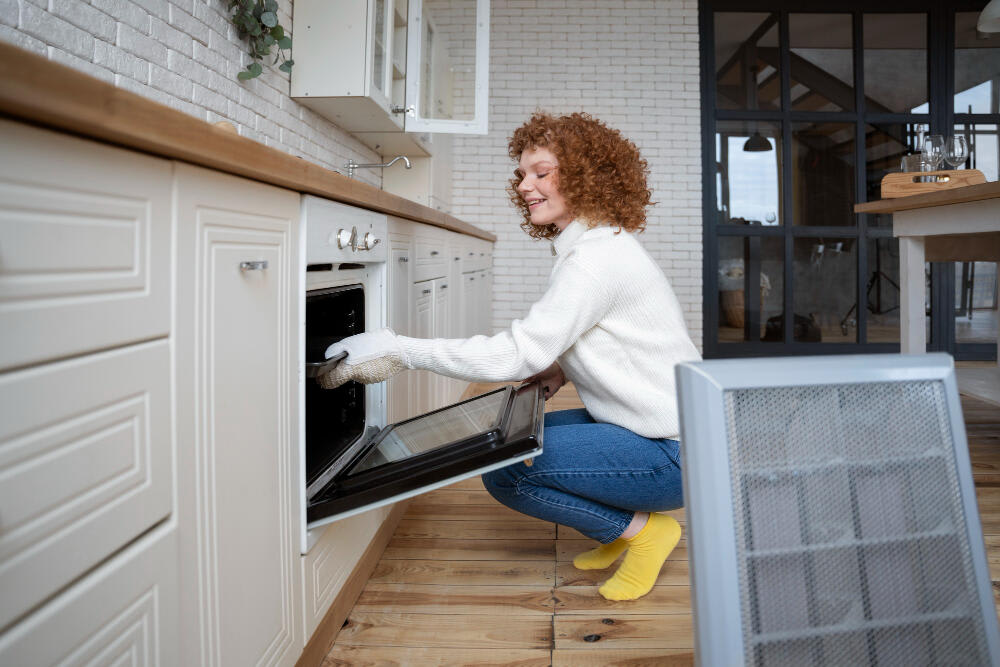
Disposing of a microwave requires more care than regular household waste because these appliances contain hazardous electronic components. Improper disposal can lead to harmful chemicals contaminating the environment, including the air, soil, and water. Additionally, many areas have specific regulations for electronic waste (e-waste) disposal, and failing to follow them can result in penalties.
Why Proper Microwave Disposal Matters
Microwaves contain components like circuit boards, capacitors, and heavy metals that can leak toxins if dumped irresponsibly. Improper disposal contaminates air, soil, and water, harming both human health and the ecosystem. Many local laws regulate e-waste (electronic waste), and ignoring these rules may result in hefty fines. Responsible disposal ensures compliance with regulations and protects the environment.
How to Safely Dispose of a Microwave
There are several safe and legal ways to dispose of a microwave:

Sell or Donate Your Old Microwave
If your microwave still works, try extending its life by passing it on:
Online Marketplaces: List your microwave on platforms like Craigslist, Facebook Marketplace, or OfferUp.
Charities & Nonprofits: Local shelters or community organizations often accept working appliances.
Thrift Stores: Places like Goodwill or The Salvation Army may resell it.
Friends and Family: Ask around—you might know someone moving into a new apartment or starting college who could use it.
Recycle Through Proper Channels
Microwaves fall under e-waste, and recycling them ensures their components are reused properly:
E-Waste Recycling Centers: Find your local center using your city or county's website.
Government Drop-Off Days: Many municipalities offer free e-waste collection events.
Manufacturer Take-Back Programs: Some brands offer to collect old appliances when you buy a new one.
Retailer Drop-Offs: Stores like Best Buy or Staples sometimes accept old electronics. Always call ahead to confirm.
Retail Take-Back & Trade-In Programs
If you're buying a new microwave, check with the store about take-back options. Some appliance retailers will haul away your old unit when delivering a new one or offer trade-in credits. It's a hassle-free and environmentally responsible choice.
Use a Junk Removal Service
If you prefer a hands-off solution, junk removal services like Wecycle or 1-800-GOT-JUNK? can take care of pickup and ensure responsible disposal. These services are ideal for busy homeowners or people clearing out multiple items.
How to Get Rid of a Broken Microwave
If your microwave is broken but still has some life in it, there are a few options to consider before disposing of it:
Fix it or give it away: If it’s just a small issue—like a broken button or a loose door—you might be able to fix it. Some charities also take microwaves that need minor repairs and fix them up before donating to someone who needs it.
If your microwave is beyond repair or you prefer not to repair it, here are your best disposal options:
Recycling: Even if your microwave doesn’t work, you can still recycle it. Just take it to an e-waste recycling center, where they’ll safely break it down and reuse the parts like metal, plastic, and electronics.
Junk removal service: If recycling isn’t an option or you just want an easy way to get rid of it, a junk removal company like Wecycle can help. They’ll pick up your microwave and make sure it’s disposed of the right way—either by recycling it or using another eco-friendly method.
How to Make Your Microwave Last Longer

With proper care, your microwave can last well over ten years. To help it stay in good shape and avoid needing to replace it too soon, follow these simple maintenance tips—and always check your user manual for specific instructions.
Clean after every use – Wipe down the inside and wash any removable parts to prevent buildup and odors.
Wash the grease filters regularly – If your microwave has filters underneath (usually over a stove), keep them clean to maintain airflow.
Close the door gently – Avoid slamming it shut to prevent damage to the latch.
Stop the timer when food is done – Don’t let the microwave keep running after food is removed—it can cause overheating or burn marks.
Never use metal – Metal containers can spark and damage the microwave. Always use microwave-safe dishes.
Use preset cooking options – Presets help prevent food from overcooking or splattering all over the inside.
Hire a professional - If your microwave stops working, try contacting a local appliance repair technician first. But if the repair costs too much, it might make more sense to replace it and properly dispose of the old one.
End Note
Disposing of a microwave doesn’t have to be hard. If it still works, you can sell or donate it. If it’s broken, you can try to fix it or recycle it. Want a hassle-free option? A junk removal service can take care of it for you. Doing the right thing helps protect the environment. And with regular care, your microwave can last longer so you won’t need to replace it too soon. Now you know the best way to handle it when it’s time to say goodbye.
Sabbir Kabir is a content manager at WeCycle with over 5 years of experience in creating content about junk removal services, eco-friendly waste disposal, and sustainable recycling practices. Passionate about promoting environmental responsibility, Sabbir shares actionable insights to help homeowners and businesses adopt greener, cleaner waste management solutions.
Read our latest blog posts
Need junk gone fast? See pricing in your area
Enter your zip code to see if Wecycle operates in your location.