BLOG / HOW TO
How to Start a Hauling Business with a Truck
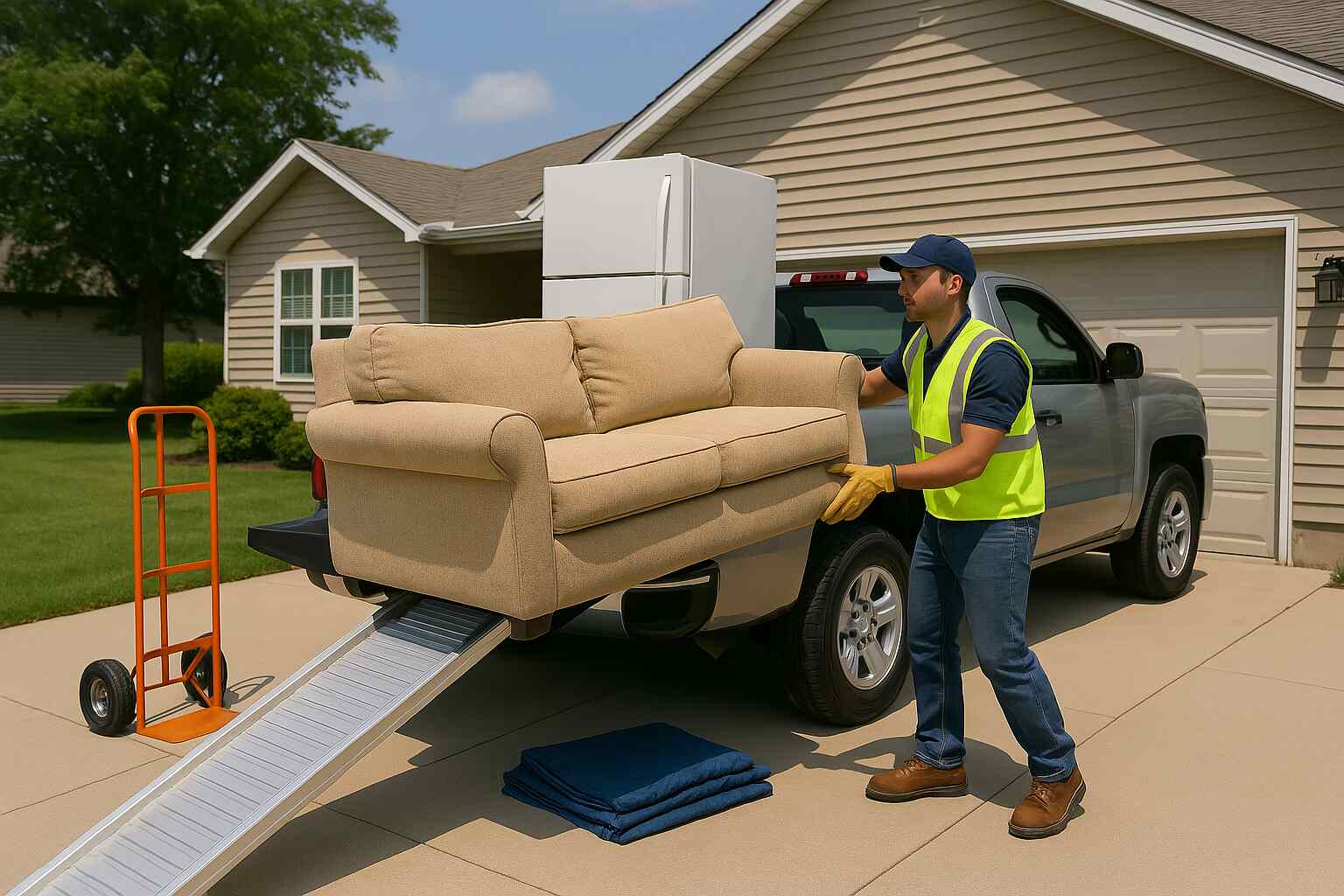
The truck hauling business is one of the most affordable and profitable business opportunities available today. Whatever your desire, whether to become a full-time business owner or an effective side business owner, you do not need a fleet of vehicles to get started. You just need to own a single reliable truck and a savvy plan.
With rising demand for junk removal, furniture hauling, yard waste disposal, and delivery services, launching a truck hauling business has never been more achievable. If you are wondering how to start a hauling business with one truck, this blog will guide you through step-by-step insight, from choosing the right services to pricing, marketing, and scaling.
At WeCycle, we make eliminating your waste or unwanted debris quick, efficient, and convenient - on your schedule. We're also pleased to provide job referrals, dumping, and subcontracting for on-site haulers.
Let's get started.
Why Start a Hauling Business with a Truck?
Starting a hauling business with one truck is low-cost and flexible. Here is why it's such a great opportunity:
- Low Startup Cost: In the beginning, no warehouse or fleet of trucks is necessary. With little equipment and a truck, you can be operational in weeks.
- High Demand: From homeowners to Realtors and contractors, many customers need help hauling away bulky items and junk.
- Flexible Hours: You can work on your own schedule and control your workload without any stress.
- Scalability: You can add trucks or expand your services as your profit grows.
- Easy Entry: No specialized license or degree is required in most states.
Whether starting a hauling business part-time or full-time, this model provides room for you to grow. The ongoing need for hauling services will not have you running out of business.
Profitable Services You Can Offer with a Truck
There are dozens of profitable hauling business opportunities you can begin with one truck. The best businesses to begin are listed below:
Residential Junk Removal
Clean out garages, basements, attics, or homes. These are busy jobs, especially in spring and summer.
Construction Debris Hauling
Contractors typically need help hauling excess material off the job site like drywall, brick, wood, and metal. These are often repeated and highly lucrative work.
Appliance and Furniture Hauling
People taking out large items like couches, beds, or refrigerators often need fast reliable removal services. Many people don't have the equipment or manpower to remove them themselves.
Moving Assistance
Help with small moves, such as college dorm room moves or in-town apartment moves. This can expand your market into more than mere junk hauling.
Yard Waste & Storm Debris Removal
Offer seasonal clean-up work after storms or as a component of landscaping contracts. There is no municipal pickup for yard waste in many areas, so this is a neglected market.
Hot Tub and Bulk Item Removal
Special trucking such as hot tub removal (one of the main WeCycle services) is in great demand. Clients would pay a premium to have this time-consuming service done.
Event Cleanups
Offer clean-up after weddings, festivals, or block parties. Repeat business with event planners.
Storage Unit Cleanouts
Assist tenants, landlords, or facility managers in cleaning out units. These are quick and highly profitable jobs.
These pickup truck business ideas can earn you hundreds per job with minimal overhead. Package your services together for even more value.
Choosing the Right Truck and Equipment
You don't need the biggest or most expensive truck, just one that suits your services.
Few Truck Types
- Pickup Truck: Good for light to medium work. Gas-efficient and cost-effective.
- Box Truck: Good for moves and bigger cleanouts.
- Dump Trailer: Include consideration of bulk trash.
Recommended Tools
- Tie-down straps and ratchet sets
- Heavy-duty gloves and steel-toe boots
- Ramps and dollies
- Tarps or covers for dirty loads
- Basic toolkit (screwdrivers, pliers, wrenches)
- Magnetic signage for mobile advertising
You may find quality used tools and equipment on the internet or in your local hardware store. Proper investment in the right equipment guarantees safety, efficiency, and professionalism.
Legal Requirements, Permits & Insurance
To operate legally and avoid having to pay fines, take care of these essentials before you begin your truck hauling business:
Register Your Business
- Choose a structure: Sole Proprietor or LLC
- Register in your state and get an EIN if you need one
Commercial Insurance
- Auto insurance on your truck
- General liability insurance
Permits & Licensing
- There may be a business license required in some municipalities
- A DOT number may be needed if you haul over state lines
- Verify local landfill or dump permit requirements
Taxes & Records
- Track mileage, fuel, and dump fees
- Use accounting software or occasional bookkeeper
Being able to begin a trucking company with one truck is all about being compliant without adding on liability.
How to Price Your Hauling Services Profitably
Pricing can make or break your success. Here's how to do it right:
Standard Pricing Models
- By Volume: Fee per truckload size (1/4, 1/2, full load)
- By Time: Hourly rate plus dumping fee
- By Item: Flat fee per appliance, hot tub, etc.
Things to Consider
- Fuel and mileage
- Dump fees
- Labor time
- Truck wear and tear
- Competitive rates in your local market
Charge a minimum fee to prevent time wasted on extremely minor jobs. Providing upfront prices and honesty establishes trust with your customers.
How Much Does It Cost to Start a Hauling Business?
Startup costs depend on the type of hauling business you want to run. A simple local junk hauling business can start with a pickup truck, basic tools, insurance, and local marketing. A hot shot or car hauling business usually costs more because you may need a heavier-duty truck, trailer, cargo insurance, operating authority, and compliance filings.
Here is a practical startup budget breakdown:
| Business Model | Equipment Needed | Startup Cost | Best For |
|---|---|---|---|
| Local junk hauling with existing pickup | Pickup truck, straps, gloves, tarps, dolly, local business license, insurance | $1,500–$8,000+ | Beginners, side hustles, small local jobs |
| Pickup truck + utility or dump trailer | Pickup, trailer, ramps, tie-downs, dump access, safety gear | $5,000–$20,000+ | Yard waste, construction debris, furniture, bulk junk |
| Box truck hauling | Used box truck, moving blankets, dollies, straps, insurance | $15,000–$50,000+ | Cleanouts, small moves, commercial hauling |
| Hot shot trucking | Heavy-duty pickup, gooseneck/flatbed trailer, authority, insurance, compliance | $30,000–$70,000+ | Time-sensitive freight, construction, agriculture, equipment loads |
| Car hauling | Dually truck, 2-car or 4-car trailer, cargo insurance, broker/load board setup | $40,000–$90,000+ | Auto transport, dealer transfers, auction vehicles |
If you already own a reliable truck, start lean. Avoid taking on large truck payments before you prove demand in your local area. Your first goal should be to complete profitable jobs, collect reviews, track real expenses, and reinvest only when the truck or trailer upgrade will clearly help you earn more.
Startup Expenses to Budget For
Before your first job, estimate these costs:
- Business registration or LLC formation
- EIN and business bank account
- Local business license or hauling permit
- Commercial auto insurance
- General liability insurance
- Cargo insurance if you transport customer property
- Truck maintenance, fuel, and tires
- Dump fees, recycling fees, and transfer station fees
- Tools such as dollies, straps, ramps, gloves, tarps, moving blankets, and safety cones
- Website, Google Business Profile, local directory listings, and basic ads
- Accounting, scheduling, invoicing, and dispatch software
A hauling business can be profitable, but only if you know your true operating cost. The biggest mistake is pricing jobs based only on time while forgetting fuel, disposal fees, helper labor, insurance, maintenance, and empty return trips.
Marketing Your New Hauling Business
Attract your first 20 clients without spending a fortune.
Local SEO
- Create a Google Business Profile
- Add your business to Yelp, Apple Maps, and Bing Places
Free Platforms
- Post services on Craigslist, Facebook Marketplace, and Nextdoor
Visual Marketing
- Share before-and-after pictures on Instagram
- Ask satisfied clients for 5-star reviews
Partner With Others
- Contact with other agents
Paid Ads (Optional)
- Run Google Ads for keywords like "junk removal near me"
- Boost Facebook posts locally
Pro Tip: WeCycle provides job leads and subcontracting opportunities to help new haulers grow fast. Take advantage of community networking by connecting with us directly.
Hauling Business Niches to Consider
The Hauling business is less competitive and often more profitable. Such as:
Eco-Friendly Disposal
Draw in ecologically minded customers by recycling and donating products. Advertise green initiatives on your website or social media account, where people can find you easily.
Senior Moving & Downsizing
You can offer compassionate and hands-on help for older adults. Bundle removal and moving services together.
Hoarder Cleanouts
These emotionally difficult jobs pay well but require discretion and patience. Establish connections with housing authorities or social services.
Office & Commercial Cleanouts
Clean desks, electronics, cubicles, and carpets for businesses relocating. Often contract-work with steady pay.
E-Waste Collection
Recycle TVs, monitors, printers, and other electronics in a proper manner. Partner with authorized recycling centers.
Disaster Relief and Emergency Cleanup Responding after fires, floods, or storms. Typically covered by insurance and in immediate need.
Targeting a niche makes your truck hauling company unique and allows it to establish a following of repeat customers.
Managing Operations and Scheduling
Smooth operations keep your single-truck business running.
Use Scheduling Apps
- Google Calendar
- Jobber or Housecall Pro to book professionals
Plan Your Trip
- Group tasks by zip code to save gasoline
- Record mileage for tax purposes
Limit Overload**
- Book only work that you can finish in one day
- Avoid burnout with realistic scheduling
Remain structured and guard your time. Review earnings weekly and make copies of all client communication and invoices.
Local Hauling vs Hot Shot vs Car Hauling: Which Model Should You Choose?
Not every truck-based business works the same way. Before buying equipment, choose the business model that matches your truck, budget, risk tolerance, and local demand.
Local Junk Hauling
Local junk hauling is one of the easiest ways to start. You help homeowners, landlords, real estate agents, contractors, and businesses remove unwanted items. Jobs may include furniture removal, appliance hauling, garage cleanouts, yard waste pickup, construction debris, storage unit cleanouts, and hot tub removal.
This model is best if you want local customers, flexible hours, and lower startup costs. You usually do not need a semi-truck or long-distance freight experience. The main challenge is getting steady local leads and pricing jobs correctly.
Hot Shot Trucking
Hot shot trucking uses a heavy-duty pickup truck and trailer to move urgent loads that do not require a full semi-truck. Common customers include construction companies, farms, manufacturers, oil and gas companies, and equipment suppliers.
This model can pay well, but it requires more compliance, stronger insurance, better route planning, and more upfront investment. If you cross state lines or haul for brokers, you may need USDOT registration, MC authority, UCR, IRP, IFTA, and other filings depending on your operation.
Car Hauling
Car hauling involves transporting vehicles for dealers, auctions, brokers, private sellers, or customers relocating. A beginner may start with a dually truck and a 2-car wedge trailer, then scale into larger trailers or enclosed transport.
This model requires careful inspections, cargo protection, strong insurance, and professional documentation. Before hauling vehicles, learn how to complete pickup and delivery inspections, photograph vehicle condition, secure cars properly, and communicate clearly with brokers and customers.
Local Delivery and Moving Help
Some haulers also offer furniture delivery, store pickup, small moves, dorm moves, and local business deliveries. This can be a good add-on service if you already own a pickup, cargo van, or box truck. However, moving jobs often involve more risk of property damage, so insurance and careful handling matter.
Common Mistakes New Haulers Make
Steer clear of these mistakes most beginners make:
- Under-pricing for heavy or long-distance work
- Non-verbal refusal to agree on disposal fees upfront
- Word-of-mouth agreements or absent contracts
- Not monitoring mileage and expenditures Disregarding customer feedback and reviews online
Create processes sooner rather than later to avoid growing pains in the future. Experience will tune your business model as you progress.
Read More: Common mistakes of junk removal
How to Expand from a Single Truck to a Fleet
Once you’re profitable, consider growing your hauling business:
- Employ a part-time helper to do lifting and logistics.
- Outsource administrative tasks to a virtual assistant Reinvest profits in a second dump truck or trailer.
- Add services such as pressure washing, landscaping, or demolition.
- Document your workflow now to help with easier training of future team members.
Look for repeat clients and repeat contracts to help make income more predictable.
Safety, Documentation, and Professionalism
Professional haulers win repeat business because they are careful, reliable, and easy to work with. Build safety and documentation into every job.
Before each job:
- Confirm the pickup address
- Ask for photos of the items or load
- Explain what is included and excluded
- Confirm stairs, elevators, long carries, or special access
- Give a written quote or price range
- Check disposal rules for unusual materials
During the job:
- Wear gloves and proper footwear
- Use straps, dollies, ramps, and moving blankets
- Protect walls, floors, doors, and driveways
- Take photos before removing high-value items
- Secure the load before driving
- Do not overload your truck or trailer
After the job:
- Send a receipt
- Take after photos if appropriate
- Ask for a review
- Record mileage, fuel, labor, disposal fees, and profit
- Follow up with commercial clients for repeat work
Good documentation protects you from disputes and makes your business look more trustworthy.
How WeCycle Helps You Grow
WeCycle is more than a junk removal company. We’re your partner in hauling success.
- We refer hot tub, debris, and large item jobs to local haulers
- We offer subcontracting opportunities for bigger cleanouts
- We assist with eco-friendly disposal and compliance
- We help you get found by local clients through our established brand
Want to partner with WeCycle or take on overflow jobs? Contact us and we will help you get rolling.
Quick Start Checklist
- Buy or lease a reliable truck
- Get tie-downs, gloves, ramps, and basic tools
- Register your business & secure insurance
- Create a price sheet & services list
- Build a Google Business Profile
- Start marketing on local platforms
- Begin hauling & collecting 5-star reviews
Conclusion
A truck hauling business is a low-cost, high-demand business that can start bringing in regular returns quickly. With the right truck, the right equipment, and the right marketing plan, you can operate a successful truck hauling business and build it at your own pace.
Regardless of what type of pickup truck business venture you're focusing on, whether junk hauling or a niche such as hot tub removal, the most important thing is to remain organized, price appropriately, and always provide excellent customer service.
And remember: WeCycle is here to assist. Whether you require jobs, assistance, or a dependable disposal partner we have got your back.
Ready to get going? Contact WeCycle today and let's grow your hauling business together.
Frequently Asked Questions (FAQ)
1. How much does it cost to start a hauling business with one truck?
It may cost to start a hauling business with a single truck depending on whether you purchase a new truck, or acquire equipment, permits, and insurance. It is typical to keep the costs low by beginning small, and most haulers expand their enterprise over time.
2. What licenses or permits do I need to start a hauling business?
At a minimum, you will require a business license and commercial vehicle insurance. You may require special permits depending on your location and the materials you will be hauling. For instance, a DOT number or disposal permits.
3. How do I price my hauling services?
Pricing is generally determined by volume (trailer size), labor hours, hauling distance, and dumping fees. Most haulers charge by the hour and dump fees or flat fees for standard work such as appliance removal.
4. Can I start a hauling business with just a pickup truck?
Yes! Most successful hauling companies begin with a good single pickup truck. This is perfect for light to medium hauling services like junk hauling, furniture delivery, and yard waste removal.
5. How do I find clients for my hauling business?
Begin with the creation of a Google Business Profile and listing your services on free websites such as Craigslist, Facebook Marketplace, and Nextdoor. Aligning with realtors, contractors, and property managers will also yield consistent leads.
6. Is hauling a profitable business?
Hauling can be highly lucrative with little overhead and a steady demand. Price the jobs right, market well, and deliver a good product to get repeat business and referrals and you'll be in business.
7. What kind of truck is best for a hauling business?
A pickup truck is typically perfect for newbie haulers since it's cost-effective and multipurpose. As your business grows, you can supplement box trucks or dump trailers for heavier hauls and be in a position to provide additional services.
8. Do I need a CDL to start a hauling business?
Not always. Many local hauling businesses can start without a CDL, especially when using a light pickup truck for local junk removal. However, CDL requirements can apply if your truck and trailer combination exceeds certain weight ratings, if you haul hazardous materials, or if your state has stricter rules. Always check your vehicle’s GVWR and GCWR before buying a trailer or accepting heavy loads.
9. What is the cheapest hauling business to start?
The cheapest option is usually local junk hauling with a truck you already own. Start with basic tools, proper insurance, a Google Business Profile, and local marketing. Avoid buying a large truck or expensive trailer until you have steady demand.
10. Can I start a hauling business as an independent contractor?
Yes. Some haulers start by taking subcontracted jobs, app-based jobs, or overflow work from larger companies. This can help you earn money while building your own brand. Make sure you understand the payout, insurance requirements, customer expectations, and whether you are responsible for disposal fees.
11. What should I track in my first 90 days?
Track every lead, quote, booked job, completed job, revenue, expense, mile driven, dump fee, review, and repeat customer. After 90 days, you should know which services are most profitable, which ZIP codes are worth targeting, and whether you should invest in a trailer, helper, or better marketing.
KB Choudhury is the Chief Executive Officer of WeCycle, a technology-driven platform dedicated to transforming the recycling and waste management industry. Under his leadership, WeCycle focuses on creating efficient, data-powered solutions that simplify waste collection, promote eco-friendly practices, and support a sustainable circular economy. Choudhury’s vision for WeCycle centers on leveraging innovation and digital tools to make recycling smarter, more accessible, and impactful for both businesses and communities.
Read our latest blog posts



Need junk gone fast? See pricing in your area
Enter your zip code to see if Wecycle operates in your location.