BLOG / TIPS
Top 18 Tips for Estate Cleanout in 2026
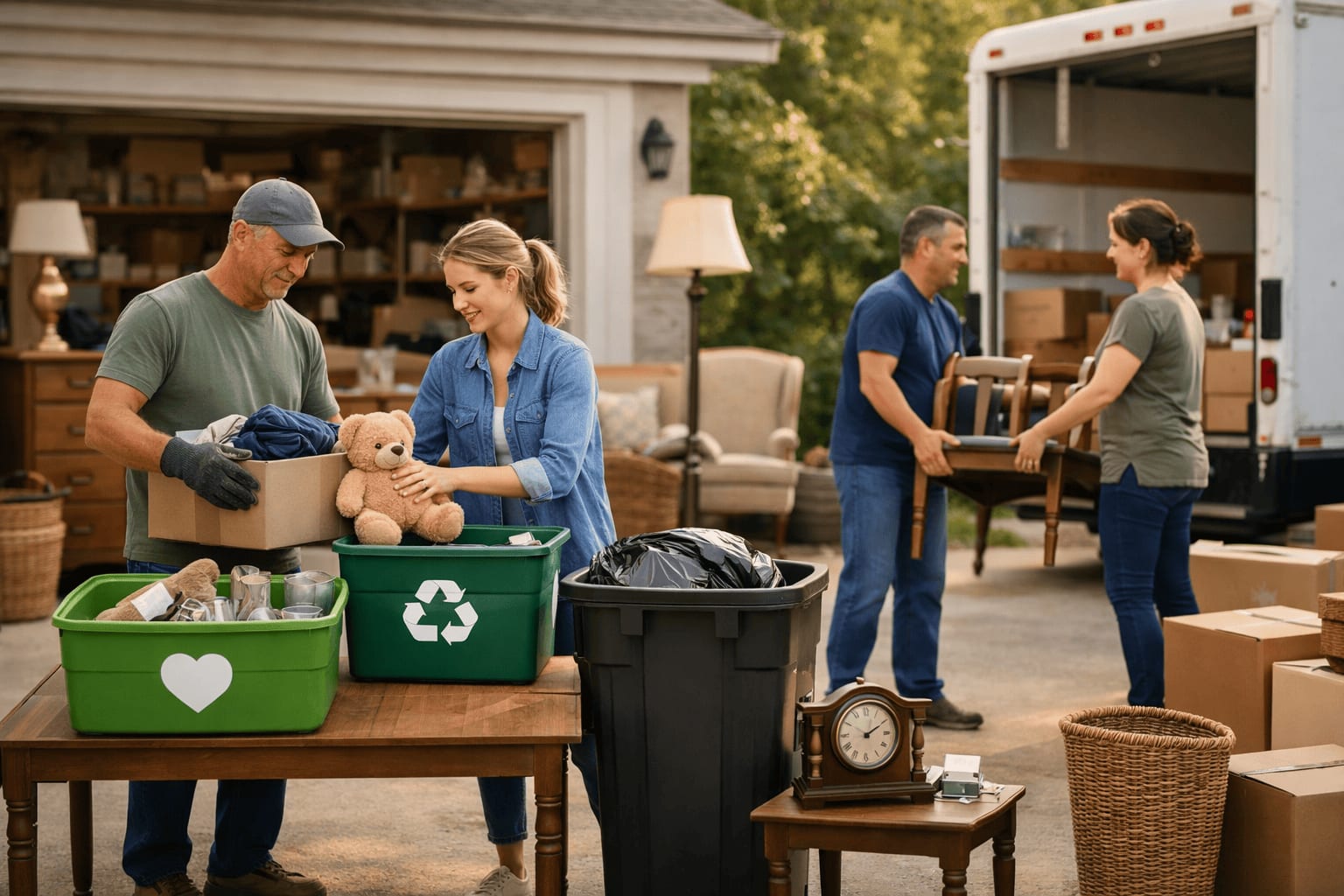
Are you struggling with your estate cleanout? Well, this happens, as this cleanout demands physical and mental challenges. However, if you follow some tips for cleaning out or hire professionals, you can stay organized and make the process smooth.
Looking for professional tips for estate cleanout? In this blog, I will explain the top 18 tips for estate cleanout in 2026. These tips will help you manage an estate efficiently and safely. You will also learn common mistakes, types of cleanouts, and practical ways to handle belongings.
So, let's begin.
What to Remember During an Estate Cleanout
Before starting an estate cleanout, it is important to set priorities. A property may have a mix of trash, valuable items, and sentimental belongings. Focusing on the following points will save time and prevent mistakes.
Secure Important Documents
Gather all important documents early. This includes wills, insurance policies, bank statements, tax forms, and vehicle registrations. Keep these documents safe from damage or loss.
Digital accounts are just as important. Check emails, cloud storage, online banking, and social media. Make a list of usernames and passwords. This prevents losing access to valuable information.
Understand Emotional Impact
Estate cleanouts can be emotionally heavy. Take short breaks when memories become overwhelming. Work in small sessions of 2-3 hours instead of long hours.
Consider involving a family member to record stories or memories. This helps preserve family history while sorting items. Sharing meals or listening to music during breaks can make the process feel more comforting.
Safety First
Estate cleanouts often involve heavy lifting and hazardous materials. Wear gloves, protective shoes, and masks. Watch out for mould, asbestos, unstable floors, or chemicals. Safety precautions prevent injuries and accidents.
Importance of Following Tips for Estate Cleanout
Having a plan makes an estate cleanout safer and easier. It helps reduce stress, prevent arguments, and protect the value of the estate.
A clear process also allows for a stress-free estate cleanout. Keeping things organized, documenting items, and following a timeline make the work less overwhelming.
Planning ahead gives time to make decisions. You can focus on items with sentimental or financial value and avoid throwing away things that family or charities could use.
1. Reduces Stress
Cleaning out an estate can feel overwhelming. Following a plan helps you take it step by step and keeps things under control.
2. Protects Important Items
Organizing items carefully ensures that valuable or meaningful things are not lost or damaged.
3. Prevents Family Conflicts
Clear labelling and assigned responsibilities reduce misunderstandings and arguments among family members.
4. Saves Time
Planning allows you to schedule donations, sales, or professional help in advance. This prevents last-minute stress and wasted effort.
5. Encourages Responsible Disposal
Sorting items for recycling, donation, or sale instead of just throwing them away helps the environment and makes the estate cleanout safer.
Learn More: How to Dispose of Old Piano
Top 6 Types of Estate Cleanout
Estate cleanouts can take many forms. Knowing the type of property you are dealing with helps plan the process effectively.
So, the types of estate cleanout are:
1. Full House Cleanouts
Full house cleanouts are needed when selling or preparing a property for new occupants. This involves every room, basement, attic, garage, and shed. It is often the most time-consuming type.
2. Storage Unit Cleanouts
Smarter storage unit cleanouts help prevent lost or damaged items. Storage units can be cluttered and difficult to access. Plan carefully or hire professional help. This ensures items are removed efficiently.
3. Garage Cleanouts
Garages often hold tools, furniture, and seasonal items. Sorting these items for sale, donation, or disposal frees space and organizes the estate.
Must Read: How to Cleanout a Garage
4. Attic Cleanouts
Attics may contain old boxes, decorations, and forgotten valuables. They are often dusty and difficult to reach. Use protective gear and take your time.
Read More: How to Clean Your Attic
5. Foreclosure or REO Property Cleanouts
Foreclosed properties often need a fast and complete cleanout. Items must be removed to prepare the home for sale. Professional services are often the most practical solution.
6. Eviction Cleanouts
Evicted properties need furniture, trash, and debris removed quickly. These cleanouts can be physically demanding. Hiring experienced helpers ensures safety and efficiency.
Top 18 Tips for Estate Cleanout: You Must Know
Here are the top 18 tips for estate cleanout to guide you through the process.
1. Plan Your Cleanout
Start by understanding the size of the property and how many items need sorting. Break the cleanout into smaller tasks, like going room by room. Planning first makes it easier and is the easiest way to clean out your estate without feeling overwhelmed.
2. Set a Timeline
Decide on a start and end date for the cleanout. Allow some extra days for unexpected finds or delays. Having a clear schedule keeps things on track and helps you see steady progress.
3. Walk Through the Property
Take a slow tour of the estate before touching anything. Note fragile or dangerous items. Identify areas that may need more care, like attics, garages, or sheds. This makes the work safer and more organized.
4. Secure Important Documents
Gather all legal, financial, and personal documents first. Keep them safe from damage or loss. Don’t forget about digital assets, like online accounts, cloud storage, and passwords. Protecting these items avoids complications later.
5. Manage Emotional Stress
Estate cleanouts can be emotionally heavy. Take breaks, share stories, and involve family members. Doing this creates a stress-free estate cleanout and keeps the process respectful.
6. Distribute Belongings
Use labels or stickers to mark items for family members. Take photos of valuable items for documentation. Clear communication prevents disagreements and ensures each item goes to the right person.
7. Sort Items to Keep, Sell, or Donate
Make separate piles for items to keep, sell, or donate. This step is especially important during an estate sale clean out. Focus on items that have value or meaning, and let go of things that won’t be used.
8. Sell Strategically
High-value items can be sold online or at estate sales. Sites like Craigslist, eBay, and local consignment shops help reach buyers. Professional appraisals ensure you price items correctly and get the most out of them.
9. Consider Donations
Items in good condition can be donated to charities or community centers. Some organizations offer pickup for large donations. This step makes the cleanout easier and helps others at the same time, contributing to a stress-free estate cleanout.
10. Rent a Dumpster
For broken, damaged, or unwanted items, a dumpster makes removal faster and simpler. It allows you to focus on sorting what is left instead of struggling with trash.
11. Hire Professionals
If the estate is large, heavily cluttered, or far away, professional estate cleanout services are a smart choice. They handle sorting, removal, and disposal safely, which is often the easiest way to clean out your estate without heavy lifting.
12. Evaluate Costs
Consider all costs, including mortgage, taxes, storage, shipping, and labor. Don’t forget to account for your own time. Planning ahead helps prevent unexpected expenses.
REad More: How Much Estate Cleanout Services Cost
13. Protect Yourself
Wear gloves, sturdy shoes, and masks when handling hazardous materials such as paints, chemicals, or mold. Safety should always come first.
14. Be Thorough
Check every corner, including attics, basements, garages, and storage units. Overlooked areas can hide valuables or hazards. Using smarter storage unit cleanouts helps make sure nothing is missed.
15. Use Time-Saving Options
Selling items one by one can take a lot of time. Consider buyouts or hiring estate liquidators to speed things up. They manage sales, transport, and removal efficiently.
16. Stay Organized
Keep track of items with lists, boxes, and labels. Tables or spreadsheets can help you manage inventory:
| Item | Action | Notes/Value | Assigned to |
|---|---|---|---|
| Furniture | Sell | $200 | Estate Sale |
| Kitchenware | Donate | - | Charity |
| Documents | Keep | Critical | Executor |
| Electronics | Recycle | - | Junk Removal |
| Collectibles | Appraise/Sell | $500+ | Online Sale |
17. Plan for Digital Assets
Check for online accounts, email, cloud storage, and cryptocurrency wallets. Record passwords and instructions for heirs. Keeping digital assets organized is part of a complete estate cleanout.
18. Maintain Emotional and Physical Balance
Avoid long, exhausting days. Take breaks and involve family or friends. Hiring help for heavy lifting keeps the process safe and reduces stress. Following these steps ensures a well-organized and stress-free estate cleanout.
Use a Six-Category Sorting System
The usual "keep, sell, donate, or trash" system works well, but large estate cleanouts often require a few more categories. Consider using six clearly labelled areas:
1. Keep or Distribute
Use this category for family heirlooms, sentimental belongings, photographs, documents, and items specifically requested by beneficiaries or family members.
2. Appraise or Sell
Set aside anything that could have significant financial value. Examples may include:
- Jewelry
- Coins
- Original artwork
- Antiques
- Collectibles
- Rare books
- Vintage furniture
- Designer items
- Musical instruments
- Specialty tools
If you cannot confidently determine an item's value, avoid throwing it away simply because it looks old. A qualified appraiser or specialist may help determine whether it is worth selling.
3. Donate
Furniture, clothing, household goods, kitchenware and other usable belongings may be suitable for charities or community organizations. Check acceptance requirements before loading everything into a vehicle. Some organizations restrict mattresses, damaged furniture, large appliances, electronics, or other items. When applicable, keep documentation associated with estate donations for your records.
4. Recycle
Electronics, scrap metal, certain appliances, cardboard and other materials may have recycling options that keep reusable materials out of landfills. Availability varies by location, so check your local recycling rules before disposal.
5. Store
Storage can be useful when the family needs additional time to make a decision, but avoid using a storage unit simply to postpone every difficult choice. Before placing something in storage, ask:
- Who will eventually use the item?
- How long does it need to be stored?
- What will storage cost?
- Is the item worth more than the cost of storing it?
- Is there a specific date when the family will review it again?
Setting a review date prevents temporary storage from becoming an indefinite expense.
6. Dispose
Broken furniture, damaged household goods, unwanted clutter and other non-reusable items can be prepared for appropriate disposal or junk removal. Keeping this category separate from recycling, donations and hazardous materials makes the final removal stage much more efficient.
Common Mistakes to Avoid While Following Tips for Estate Cleanout
You must learn the common mistakes while following the tips for estate cleanout so that you can avoid them. So the common mistakes are:
- Ignoring safety: Heavy lifting or handling chemicals without protection can cause injuries.
- Skipping document checks: Losing important legal or financial records can create problems.
- Rushing the process: Trying to clean everything in one day leads to mistakes.
- Overlooking digital accounts: Emails, banking, and cloud storage are often forgotten.
- Not planning donations or sales: Items may be thrown away unnecessarily.
- Failing to communicate: Family disputes may arise without proper coordination.
Additional Tips for a Stress-Free Estate Cleanout
Let’s explore some additional tips for a stress-free estate cleanout:
- Label Everything Clearly: Label boxes and items to prevent confusion. Include names, descriptions, and instructions.
- Take Photos Before Selling or Donating: Photograph items before they leave the estate. This helps with records, taxes, or disputes.
- Consider Eco-Friendly Disposal: Recycle materials whenever possible. Furniture, electronics, and metals can often be repurposed.
- Use Professional Help for Large Items: Heavy furniture or appliances are hard to move. Professionals have the right tools and experience.
- Keep Track of Donations: Save receipts from charities. This may help with tax deductions if needed.
End Note
Finally, knowing how to dispose of your old estate belongings safely and efficiently protects your home and your community. Following these tips for estate cleanout ensures that everything is handled with care.
From the easiest way to clean out your estate to donating, selling, or hiring professionals, these tips cover every step.
By staying organized, prioritizing safety, and planning ahead, you can achieve a stress-free estate cleanout. These tips also apply to homes, storage units, attics, garages, and foreclosures.
Tabassum Kabir is a content writer who enjoys digging into new topics and turning her findings into clear, useful content. She keeps her writing simple, honest, and easy to follow, making her work engaging for any reader.


Need junk gone fast? See pricing in your area
Enter your zip code to see if Wecycle operates in your location.