BLOG / OTHER
Box Truck Weight Limit in the USA: What Every Driver Should Know
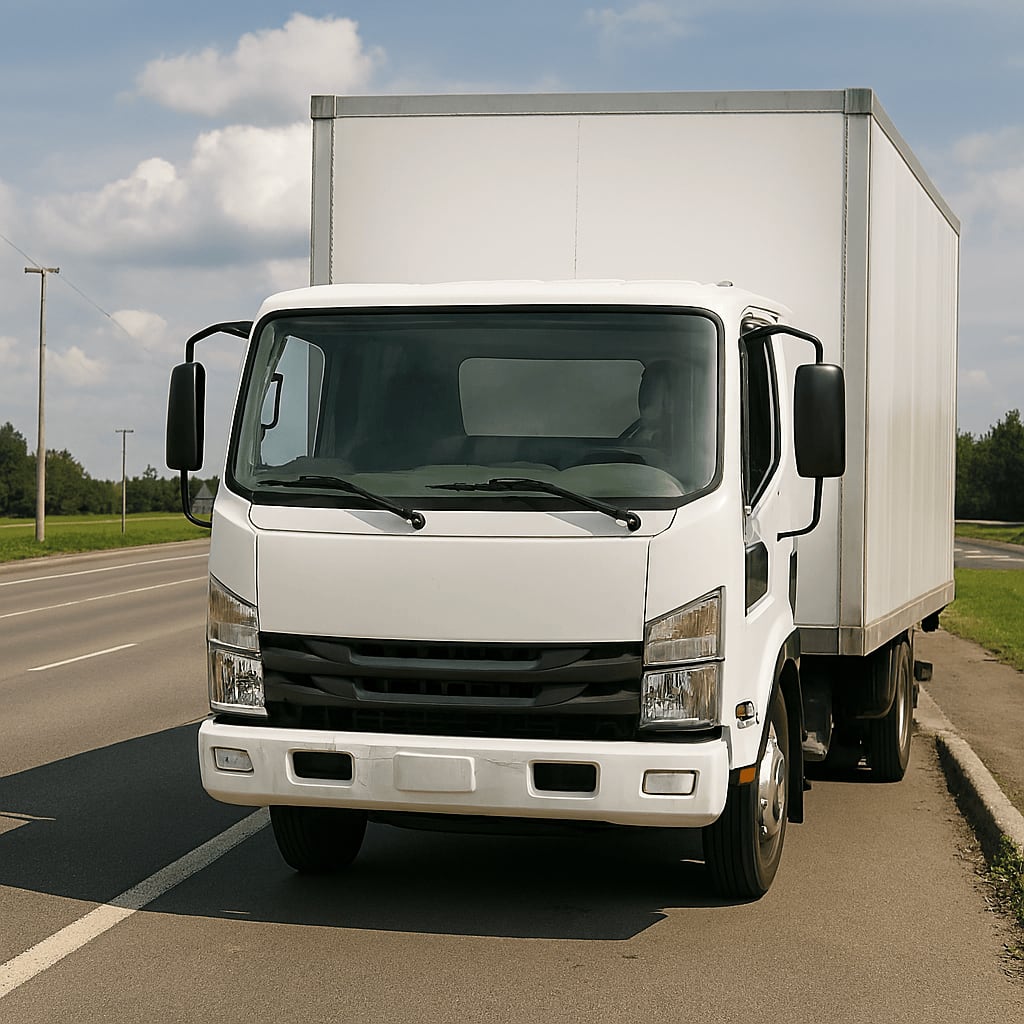
What happens when the box truck weight limit is ignored during loading? Many drivers and small business owners face this issue, and it can lead to unsafe driving or unexpected fines.
Too much weight makes it difficult to control the truck. An accident or any other damage can happen at any time. That’s why you must know the answer to ‘How much can your truck safely carry?’ to avoid these issues.
In this blog, I will explain box truck sizes, weight classes, CDL rules, and simple loading tips. So, let’s begin the discussion with the definition of a box truck.
What is a Box Truck?
A box truck is a medium-sized vehicle with an enclosed cargo area. The cargo space is separate from the driver’s cab. This keeps items safe from weather and theft. Box trucks are used for deliveries, moving, and carrying equipment.
Box trucks come in different lengths and capacities. Small box trucks work well in city streets, while larger trucks can carry heavier loads for businesses. Knowing how much a box truck weighs helps plan how much cargo it can carry.
Box Truck Weight Limit and GVWR
The Gross Vehicle Weight Rating (GVWR) shows the maximum weight a box truck can carry. This includes the truck’s own weight, passengers, fuel, and cargo. Going over this weight can damage the truck and create safety hazards.
For example, a box truck with a GVWR of 14,000 pounds weighs 8,000 pounds empty. This leaves 6,000 pounds for cargo.
GVWR helps:
- Keep the truck safe and running well
- Prevent damage to brakes, tires, and suspension
- Follow state and federal laws
- Reduce the chances of accidents from overloading
Box Truck Weight Classifications
Trucks in the U.S. are grouped by weight. Box trucks usually fit into three main categories:
Light-Duty Box Trucks
- GVWR up to 14,000 pounds
- Used for small deliveries and local moves
- Common sizes: 10 to 16 feet
- CDL not needed
Medium-Duty Box Trucks
- GVWR between 14,001 and 26,000 pounds
- Used for larger deliveries and commercial jobs
- Common sizes: 16 to 26 feet
- A CDL is usually not needed
Heavy-Duty Box Trucks
- GVWR over 26,000 pounds
- Used for big loads and special jobs
- CDL is required in most cases
- Examples: 26-foot trucks with higher payloads
How Much Do Box Trucks Weigh?
Box truck weight varies depending on size and type. Small trucks weigh less, while large trucks can weigh over 30,000 pounds. Have a look at how much box trucks weigh:
| Truck Size | Empty Weight | GVWR | Max Payload | CDL Required |
|---|---|---|---|---|
| 10′ | 5,750 lbs | 8,600 lbs | 2,850 lbs | No |
| 12′ | 6,800 lbs | 9,900 lbs | 3,100 lbs | No |
| 16′ | 8,200 lbs | 12,500 lbs | 4,300 lbs | No |
| 24′ | 16,000 lbs | 26,000 lbs | 10,000 lbs | No |
| 26′ | 14,000 lbs | 26,000 lbs | 12,000 lbs | No |
| 26′ Heavy | 16,000 lbs | 33,000 lbs | 17,000 lbs | Yes |
This table shows how much do box trucks weigh and how many pounds a box truck can carry. Knowing the truck’s empty weight helps figure out safe cargo limits.
How Much Weight Can a Box Truck Carry?
The cargo weight a box truck can handle depends on GVWR minus the truck’s empty weight. For example, a 16-foot truck with a GVWR of 12,500 pounds and an empty weight of 8,200 pounds can carry up to 4,300 pounds.
| Truck Size | Box Truck Weight Capacity | Typical Use |
|---|---|---|
| 10′ | 2,850 lbs | Studio or small apartment moves, local deliveries |
| 16′ | 4,300 lbs | 2–3 bedroom apartment moves, retail deliveries |
| 22′ | 10,000 lbs | 3–4 bedroom home moves, medium commercial loads |
| 26′ | 12,859 lbs | Large household moves, business inventory, heavy equipment |
Do You Need a CDL to Drive a Box Truck?
A Commercial Driver’s License (CDL) may be needed depending on truck weight and type. Let's understand when you need a CDL to drive a box truck.
CDL Not Needed
-
Box trucks with GVWR 26,000 pounds or less
-
Personal moves
CDL Needed
- Box trucks with GVWR over 26,000 pounds
- Towing trailers over 10,000 pounds
- Transporting hazardous materials
State and Federal Regulations
Both federal and state laws control weight limits. Following the rules avoids fines and keeps roads safer. So, the rules you need to follow are
Federal Rules
- Maximum weight: 80,000 pounds
- Maximum single axle weight: 20,000 pounds
- Maximum tandem axle weight: 34,000 pounds
State Rules
- Some states have lower weight limits or require permits for overweight trucks
- Bridge and road limits can affect allowed weight
- Check state DOT websites before long trips
Tips for Safe Loading
Overloading or uneven loading can cause accidents and damage your truck. Safe loading keeps the truck running well and prevents accidents. So, you can do the following to fix the box truck weight limit:
- Know GVWR and payload: Don’t go over the limit
- Spread weight evenly: Heavy items go low and near the center
- Secure items: Straps or load bars stop shifting
- Check tires and brakes: Overloaded trucks wear faster
- Use a weigh station: Check weight if unsure
Common Box Truck Sizes and Cargo Volume
Choosing the right size depends on both cargo volume and box truck weight capacity. Box trucks vary in length, volume, and weight. So, have a look at the common sizes of box trucks and congo:
| Truck Size | Interior Dimensions (L×W×H) | Cargo Volume | Max Payload |
|---|---|---|---|
| 10′ | 9′11″ × 6′3″ × 6′1″ | 402 cu. ft. | 2,850 lbs |
| 16′ | 16′ × 7′7″ × 6′6″ | 800 cu. ft | 4,300 lbs |
| 17′ | 16′9″ × 7′8″ × 7′2″ | 865 cu. ft. | 6,160 lbs |
| 22′ | 21′11″ × 8′1″ × 8′1″ | 1,200 cu. ft. | 10,000 lbs |
| 26′ | 26′2″ × 8′1″ × 8′3″ | 1,682 cu. ft. | 12,859 lbs |
Box Truck Use-Cases by Size
Matching truck size to load prevents overloading and makes driving easier. So, the sizes are:
- 10–14 feet: Small deliveries, studio apartments, short moves
- 15–17 feet: 2–3 bedroom apartments, retail deliveries
- 22–24 feet: Larger moves, medium commercial deliveries
- 26 feet: Whole-house moves, big inventory, construction equipment
Box Truck Market Outlook: You Must Know
The box truck market is growing steadily. Trends include:
- E-commerce deliveries: More demand for last-mile transport
- Electric and hybrid trucks: Cleaner and more fuel-efficient options
- Urban deliveries: Medium box trucks can handle city streets better than big trailers
The market is expected to grow at a 5.5% yearly rate through 2030. Knowing weight limits helps businesses choose trucks that work efficiently and safely.
Making Money With Box Trucks
Box truck owners can earn money as independent drivers. Platforms like LoadUp connect drivers with local moving, junk removal, and delivery jobs. Understanding how much weight a box truck can carry ensures you choose jobs that fit your truck’s limits.
Benefits include:
- Flexible hours
- Choose jobs based on your truck and payload
- Earn extra income while using your vehicle
Box Truck Weight Limit: Extra Tips
Keeping track of how much box trucks weigh, box truck max weight, and box truck weight capacity helps your business run smoothly and safely. Let’s explore some extra tips here:
- GVWR shows the box truck's weight limit, including cargo, fuel, and passengers
- Most box trucks are light or medium-duty
- Always know your truck’s weight and payload to avoid overloading
- CDL requirements depend on truck weight and use
- State and federal rules must be followed
- Safe loading keeps the truck and roads safe
Conclusion
Box trucks are practical for moving goods and running a business. Understanding box truck weight limits and rules protects your truck, the cargo, and other drivers. Check GVWR, load evenly, and follow laws.
Knowing how much weight a box truck can carry prevents accidents and fines. Choosing the right truck for your job makes hauling easier. Following these guidelines helps drivers stay safe while transporting goods efficiently.
Tabassum Kabir is a content writer who enjoys digging into new topics and turning her findings into clear, useful content. She keeps her writing simple, honest, and easy to follow, making her work engaging for any reader.



Need junk gone fast? See pricing in your area
Enter your zip code to see if Wecycle operates in your location.