BLOG / OTHER
How Long Does Trash Live: All You Need to Know
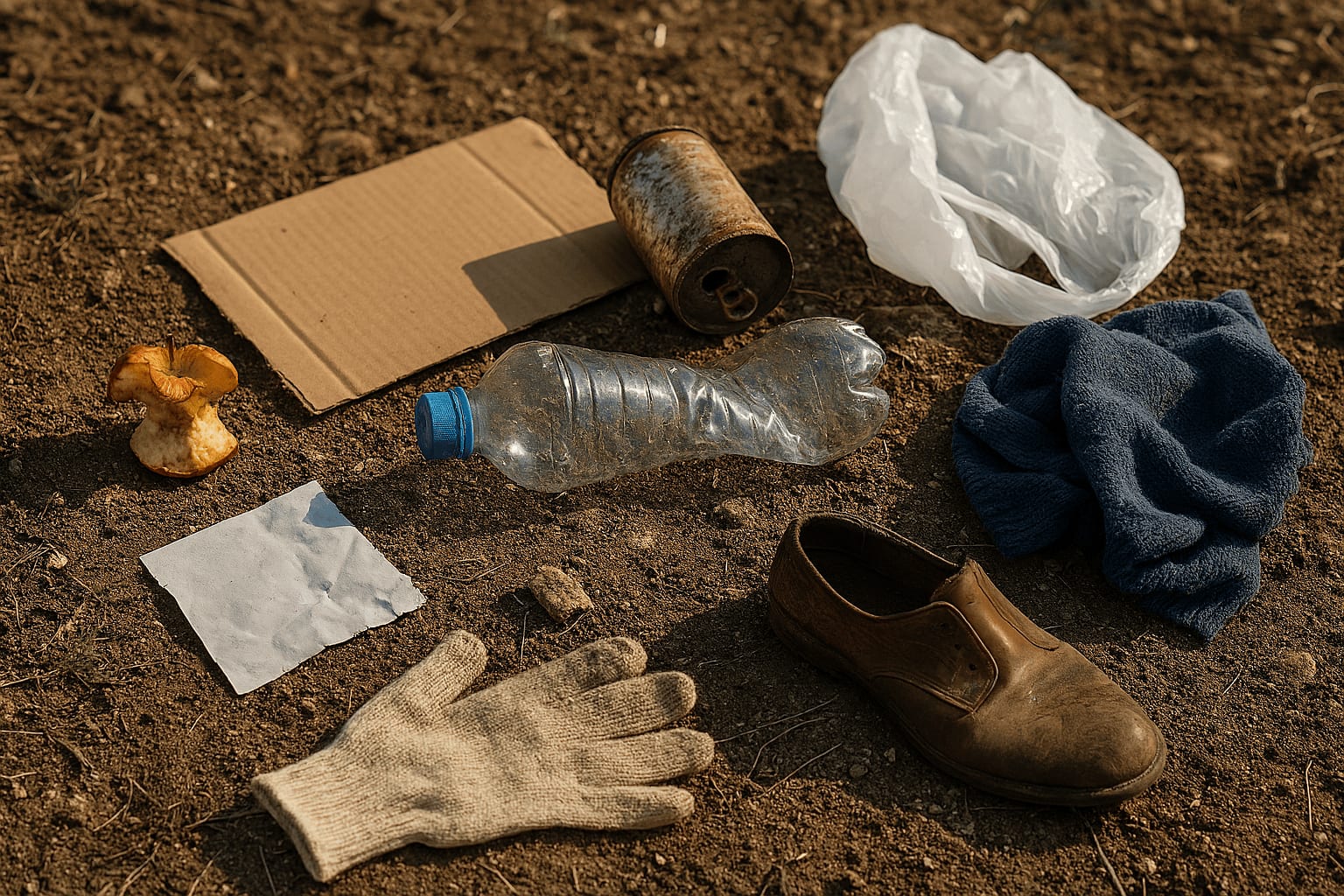
How long does trash live? Well, it depends on the type of the trash. Some trash, like food scraps, can easily degrade in just a few weeks, but things like plastic bottles can take hundreds of years or even longer.
So, we all should know how long trash lasts can help us make better choices about what we buy and how we throw things away. It further shows why recycling and composting are good for the Earth.
In the blog, I will explain the lifespan of trash based on the materials and types.
Let’s begin the discussion.
Quick to Disappear: Weeks to Months
Certain types of trash break down quite quickly. Items made from natural materials tend to vanish in a few weeks or months, especially when exposed to the right conditions like moisture and air.
Let's see what disappears within weeks to months:
- Paper: Paper is among the fastest decomposers, breaking down in about two to six weeks. Since it is made from plants, it breaks down easily and is widely recyclable.
- Cardboard: A bit thicker and tougher than paper, cardboard takes around two months to fully break down.
- Food Waste: Apple cores, vegetable peels, and banana skins often rot away in a matter of weeks or a couple of months. However, banana peels can take up to two years in less ideal conditions.
- Cotton Gloves: Natural cotton materials, such as glove,s tend to degrade within three months.
- Wool Clothing: Wool lasts longer than cotton, but it still breaks down completely within one to five years.
Organic waste and natural fibers can easily be digested by nature, as opposed to other synthetic materials. This is why composting is actually quite smart when it comes to organic waste.
Keep in mind, though, that just because organic matter breaks down easily, doesn’t mean it won’t last when it comes to being disposed of. Now, you know the answer to ‘how long does trash live.’
Medium Lifespan: Years to Decades
Some items hang around for much longer, from several years to a few decades. This category usually includes things made from a mix of natural and synthetic materials or treated to last longer.
So, let’s explore here.
- Milk Cartons: These take roughly five years to decompose, mostly due to their plastic lining.
- Plywood: Wood treated and pressed into plywood can last one to three years before breaking down.
- Disposable Diapers: These are tricky because their lifespan can vary widely, lasting anywhere from ten to five hundred years depending on their components and disposal conditions.
- Cigarette Butts: The plastic filters in cigarette butts cause them to take about ten to twelve years to decompose.
- Nylon Fabric: Synthetic fabrics like nylon can last thirty to forty years in the environment.
- Leather Shoes: Treated leather can take twenty-five to forty years to break down fully.
Slow Breakdown: Centuries to Thousands of Years
Then there is the stuff that just will not quit. Metals, plastics, and some synthetic materials take hundreds to thousands of years to break down.
Let’s see what trash takes the most times.
- Tin Cans: Metal cans last about fifty years before breaking down.
- Rubber Boots: Made from durable rubber, these take fifty to eighty years to decompose.
- Batteries: These can last one hundred years or more but leak toxic chemicals throughout their lifespan.
- Aluminum Cans: Aluminum takes between eighty and two hundred years to break down, sometimes up to four hundred years.
- Plastic Bags: These can linger anywhere from ten to one thousand years.
- Plastic Bottles: Common single-use bottles stick around for roughly four hundred and fifty years.
- Sanitary Pads: These can last five hundred to eight hundred years thanks to plastic components.
Near-Immortal or Non-Biodegradable Trash
Some waste items are practically eternal, either breaking down at an incredibly slow pace or not at all.
- Styrofoam: Styrofoam does not biodegrade. Styrofoam disintegrates into small pieces, but these pieces will never disappear. Instead, they will continuously fill up the soil and oceans.
- Glass Bottles: Glass is extremely resilient and has a long life, with durability extending over a million years. Archaeologists discover glass objects from ages past and find them in perfect condition, revealing their extreme durability.
What Influences Trash Breakdown?
How long it will take for the trash to disappear is based on a number of key elements:
The Material
Biodegradable materials include food waste, paper, cotton, and wool because these substances can easily be digested by microbes. Synthetic materials such as plastics, metals, and glass resist breaking down because they are not organic.
The Environment
Landfills slow down trash decomposition because they lack oxygen and sunlight, both of which many microbes need. So trash in landfills lasts far longer than trash in a forest or backyard compost pile.
Recycling and Composting
Recycling turns old materials like aluminum, paper, and plastics into new products, shortening the overall life of those items. Composting organic waste prevents methane a powerful greenhouse gas, from building up in landfills and instead creates nutrient-rich soil.
What Actually Happens to Your Trash?
After you toss something away, it goes on a journey.
- Collection: Garbage trucks pick up your trash and take it to a local facility.
- Sorting: At transfer stations, trash is sorted into recyclables, compostables, and landfill waste.
- Disposal: The majority of waste is sent to landfills, while the remainder goes to waste-to-energy facilities that burn it to produce electricity.
- Recycling: This consists of cleaning the sorted materials and processing them into new products.
- Composting: Organic waste is decomposed into rich compost to be used in the gardens and landscaping.
The Importance of Trash Longevity Matters
Trash that does not quickly decompose leads to pollution, the death of animals, and landfills. Products made from slow decomposition materials also release toxins and microplastics, which are harmful to ecosystems.
On the other hand, waste that disappears quickly owing to composting or recycling contributes to a reduction in harmful greenhouse gases and preserves natural resources.
Now you know, how long does trash live.
How You Can Help
Here's what you could do to help this environment: .
- Compostable Trash Bags: Try to find those that get the certification for being compostable by organizations such as the Biodegradable Products Institute. These are bags that break down harmlessly with your organic waste.
- Start Composting: Transfer food scraps and yard waste into compost to use to feed your garden.
- Recycle Right: Follow your community's rules so paper, plastic, glass, and metal are recycled correctly.
- Wear Natural Fibers: Choose clothes made from cotton or wool and avoid synthetic fabrics.
- Support Low-Waste Brands: Look for products with little or compostable packaging like shampoo bars and reusable razors.
Why Understanding Trash Lifespan Matters
Knowing the lifespan of trash helps us make better decisions. The more items that stay on the shelf longer, the more strain on the Earth. Using materials and observing the guidelines to recycle can help the Earth stay healthy for the future.
- This increases the size of landfills since the disposal of longer-lasting trash requires a bigger landfill area.
- "Slow-decomposing materials may pollute the soil and water due to hazardous chemical releases".
- The knowledge of what biodegrades quickly helps in the promotion of green products.
- Recycling and composting, when appropriate, help with making sure a reduction in natural waste occurs.
- Understanding the life cycles of trash is important for better planning of waste reduction and clean-up initiatives.
Final Thoughts
In the end, trash is a part of our lives, but the way we handle it makes a point. Knowing the answer to how long does trash live and making small changes, such as recycling and composting, can help shrink our environmental footprint.
Our choices today will define the world we leave behind. Thoughtful habits now will give way to a cleaner, healthier planet for tomorrow. Small changes add up in a big way.
Tabassum Kabir is a content writer who enjoys digging into new topics and turning her findings into clear, useful content. She keeps her writing simple, honest, and easy to follow, making her work engaging for any reader.



Need junk gone fast? See pricing in your area
Enter your zip code to see if Wecycle operates in your location.