BLOG / OTHER
Junk Removal Trends in 2026: Growth, Green, and Innovation
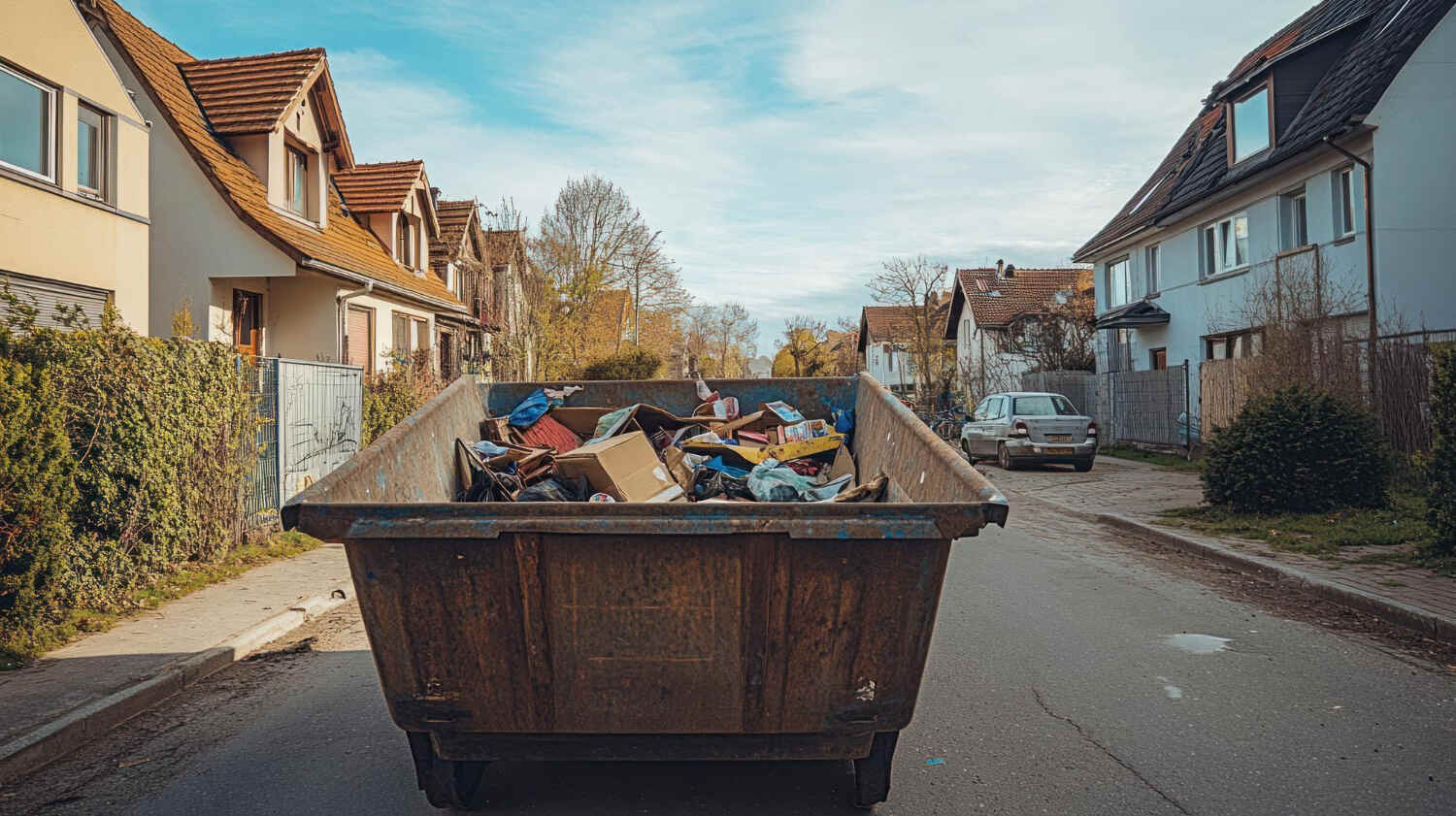
Homes, offices, and cities are producing more waste than ever before. Renovations, relocations, and cleanouts are happening nonstop, and junk is piling up fast. What was once a small cleanup task has now become a booming industry worth watching.
In the United States alone, the junk removal industry has already crossed $10 billion in value, and it continues to grow every year. More people are choosing professional junk removal because they want speed, convenience, and responsible disposal. What used to be a weekend DIY job is now a service people rely on daily.
At the same time, customers care where their unwanted items go. Recycling, donation, and green disposal are no longer “nice extras”; they are expected.
Add to this the rise of same-day service, pricing trends, smarter technology, and stricter environmental rules, and it’s clear why this industry is expanding so quickly.
Key Takeaways
- The junk removal franchise market reached USD 5.5B in 2024 and is projected to grow to USD 9.1B by 2033 at a 5.5% CAGR
- Junk removal operates within the wider U.S. waste collection industry, expected to exceed USD 90B in annual revenue by 2030
- The U.S. generates 290+ million tons of municipal waste and 600+ million tons of construction debris each year, sustaining constant demand
- Technology adoption cuts costs and improves margins, with route optimization reducing fleet mileage by up to 25%
- Sustainability and circular economy practices drive growth through recycling, e-waste handling, and landfill diversion
- Regulatory pressure favors organized, tech-enabled operators and accelerates market consolidation
- Franchise and scalable models position the industry for long-term, repeat revenue growth
Junk Removal Industry Growth and Market Demand
The junk removal industry keeps growing because waste keeps increasing, and cities cannot handle it alone.
Junk removal now sits inside the wider U.S. waste collection services market. According to IBIS World, this market is expected to exceed $90 billion annually by 2030. That growth shows how much money already flows into waste handling and how fast demand keeps rising.
The numbers explain the demand clearly. The U.S. creates 290+ million tons of household waste every year and 600+ million tons of construction and demolition debris. Much of this waste never fits into regular city pickup.
As landfill space shrinks and disposal rules tighten, more waste moves to private junk removal services. This shift creates steady demand, repeat jobs, and strong revenue across the industry year-round.
Sustainability and Circular Economy Focus
Sustainability now shapes how the junk removal industry handles waste. Landfills are filling up, disposal costs keep rising, and cities push harder to cut dumping.
Because of this, junk removal companies no longer focus only on hauling. They focus on sorting, recovering, and redirecting materials.
In the U.S., only about one-third of waste gets recycled, while most still ends up in landfills. This gap creates both pressure and opportunity. Junk removal services help by separating metal, wood, cardboard, electronics, and reusable items before disposal.
These steps follow modern waste disposal trends and reduce landfill use while lowering long-term costs.
The circular economy strengthens this shift. Instead of seeing junk as the end of a product, companies treat it as a second chance for reuse. Furniture goes to donation centers, metals return to recycling markets, and electronics reach certified processors.
Customers now expect this approach and actively choose services that follow it. These changes show a clear direction for the industry: less dumping, more recovery, and smarter waste handling that protects resources and supports long-term growth.
Technology and Digital Transformation
Technology has changed how junk removal works, one clear step at a time. People start by booking online instead of making long phone calls. They share details or upload photos, and they get upfront pricing before pickup, so there are no surprises later.
Next, companies plan smarter routes using digital software to save fuel and time. Crews use mobile tools on-site to confirm jobs, record items, and send invoices right away.
After pickup, systems track where materials go for recycling, donation, or disposal. This smooth process saves time, cuts errors, and helps companies handle more jobs each day.
Changing Consumer Behavior
People now think differently about junk removal than they did a few years ago. They value time more and prefer services that handle everything in one visit.
Instead of storing unwanted items or making multiple trips to disposal sites, they choose professionals who can remove junk quickly and safely. Many customers also care about where their items end up.
They look for services that recycle, donate, and reduce landfill waste. Online booking, clear pricing, and fast response times influence their choices.
As lifestyles get busier and living spaces get smaller, demand for simple, reliable junk removal continues to grow.
Junk Removal Pricing Trends and Cost Factors
Junk removal pricing now works in a clear and customer-friendly way. It begins with simple details or photos, which help companies give an upfront price before pickup. This early pricing builds confidence and removes guesswork.
On service day, crews confirm the load size and complete the job without delays. Pricing reflects the space used, the labor involved, and how items are handled after pickup.
Recycling and donations often help keep costs balanced, while efficient routing saves time and fuel. This transparent, step-by-step approach makes pricing feel fair, predictable, and worth the value customers receive.
Regulatory and Environmental Pressures
Rules around waste disposal have tightened a lot in recent years, and junk removal sits right in the middle of it. Cities want less landfill use, states push higher recycling rates, and regulators watch closely how electronics, mattresses, and hazardous items get handled.
This pressure forces junk removal companies to work smarter, not harder. They sort more, document more, and send materials to the right places instead of dumping everything in one spot. While that sounds strict, it actually helps the industry.
Clear rules reward organized operators, protect communities, and build customer trust. In simple terms, regulations clean up the business, and that’s a good thing.
Future and Innovation Trends
The junk removal industry is moving toward a smarter and more valuable future. Market data shows where it’s headed. The Junk Removal Franchise Market reached USD 5.5 billion in 2024 and is expected to grow at a 5.5% annual rate through 2033, reaching USD 9.1 billion. This growth comes from technology, regulation, and changing waste habits, not guesswork.
AI already improves sorting accuracy at material recovery facilities, and this trend will expand. Better sorting increases recycling rates and lowers landfill use.
Route optimization software cuts fuel use by up to 25%, which directly improves margins. IoT-enabled bins and smart compactors help companies collect waste only when needed, saving time and cost.
Future growth will favor companies that combine AI, data analytics, and circular economy practices.
Investors will see stronger margins, better compliance, and scalable operations as junk removal evolves from hauling to intelligent waste management.
Conclusion
The junk removal industry is growing in a good direction. It now plays an important role in keeping homes, cities, and businesses clean. Junk removal trends show clear progress. Services run faster. Systems work better. Waste gets handled with more care.
People now expect more than simple hauling. They want clean spaces and smart handling. These expectations match wider waste management trends that focus on reuse, recycling, and less dumping.
The best part is what lies ahead. As junk removal trends continue to shape the industry, they open doors for steady growth, better service, and a cleaner future for everyone.
FAQs About Junk Removal Trends
What are junk removal trends today?
They focus on faster pickups, clear pricing, and better recycling instead of dumping everything.
Why is junk removal changing so fast?
More waste, busy schedules, and stricter disposal rules push services to improve quickly.
How do junk removal trends benefit customers?
They make removal easier with upfront prices, quick service, and less effort for customers.
Are junk removal services more eco-friendly now?
Yes. Many services recycle, donate usable items, and reduce landfill waste.
Will junk removal trends continue to grow?
Yes. Rising waste and limited disposal options keep demand strong every year.
Shushmita Karmakar is an experienced content writer at Wecycle, with over 3 years of expertise creating clear, helpful, and SEO-focused content. She specializes in writing about junk removal, recycling, and sustainable waste solutions, helping readers make informed, eco-friendly choices. Her work combines practical insights with an easy-to-read style that connects with both homeowners and businesses.



Need junk gone fast? See pricing in your area
Enter your zip code to see if Wecycle operates in your location.