BLOG / HOW TO
How to Dispose of Small Appliances Safely and Responsibly
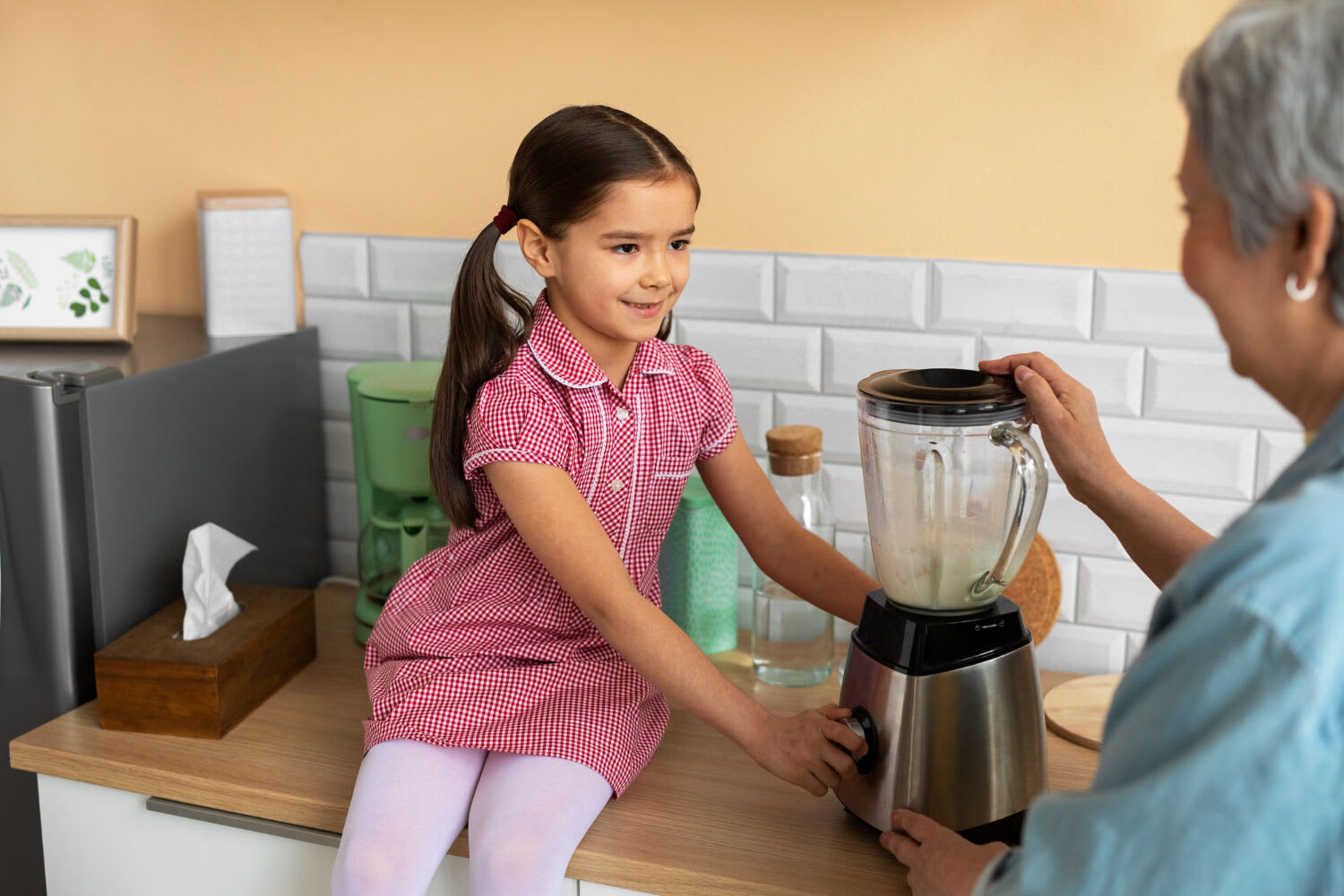
Old appliances stashed away in drawers or dust gathering on the counter, we all have these kinds of situations. From blenders to toasters, hairdryers or broken fans, they might seem harmless but when it comes to the disposal of appliances, they play a huge impact.
Such as, one might think throwing them in the trash is the easiest method, but in reality, it’s not the ideal option as you will be harming the environment. The good news? Disposing of these small appliances is pretty simple and eco-friendly if you know how to do it.
In the following discussion, we will be walking you through the best methods on how to dispose of small appliances responsibly, without all the hassle.
What Counts as a Small Appliance?
Small appliances are the everyday gadgets and machines that plug in, power up, or run on batteries to make our lives smoother. But one of the beauty of these equipment is they don’t take up much space.
Below is a list of some of the common small appliances:
Kitchen Small Appliances:
- Toasters and toaster ovens
- Blenders and food processors
- Coffee makers and kettles
- Mixers (hand or stand)
- Air fryers, slow cookers, rice cookers
- Microwaves (yes, smaller models count!)
Personal Care Appliances
- Hair dryers and curling irons
- Electric toothbrushes
- Electric razors and trimmers
- Facial cleansing brushes
Household Helpers
- Irons and handheld steamers
- Vacuum cleaners (especially handheld or stick models)
- Space heaters or fans
- Humidifiers and dehumidifiers
- Alarm clocks and electric lamps
Why You Shouldn't Throw Small Appliances in the Trash?
Whenever a toaster stops toasting or your old hairdryer gives out, the easiest thing to do is just chuck it in the trash, right?
Quick. Done. Out of sight, out of mind.
But, one thing, throwing away small appliances in the garbage can be extremely harmful. Here’s why:
Contributes to E-Waste
Small appliances often contain electronic components, wires, and sometimes even batteries. When thrown in the regular trash, these items end up in landfills, where they contribute to the growing mountain of electronic waste.
May Contain Harmful Materials
Many appliances contain metals, plastics, and sometimes hazardous substances like lead, mercury, or flame-retardant chemicals. When disposed, these materials can leach into the soil and water, harming wildlife, ecosystems, and even our own health with time.
Throwing Away Recyclable Parts
Most small appliances are made up of materials that are highly recyclable—like copper wiring, aluminum, steel, and certain plastics. When you trash them, all of that potential goes to waste, which can have been used in making recyclable items.
Against Local Regulations
In many cities and towns, it is considered illegal to throw electronics and small appliances in the trash. Fines or penalties might apply if you are caught in the act during curbside pickup or community cleanups.
A Missed Opportunity to Give It a Second Life
Just because it’s not useful to you anymore doesn’t mean it’s completely useless. Someone else might be able to fix it, use it for parts, or repurpose it. Donation, repair, or even creative upcycling are all much better routes than the landfill.
How to Dispose of Small Appliances Responsibly?
There are several options out there on how to dispose of small kitchen appliances. All you have to do is know the right way and it might be much easier than you probably think. Here’s to how:
Check if It Still Works
Before you start looking for disposal options, ask yourself: Is it actually broken? Or just collecting dust?
If it still works:
- Donate it to a local charity, shelter, or community center
- Sell it or give it away via online marketplaces (Facebook Marketplace, Freecycle, Craigslist)
- Gift it to a student or someone setting up a new home
If it's slightly faulty, someone handy might still want to fix it!
Repair It (Instead of Replacing It)
Sometimes, all an appliance needs is a quick fix, such as, a new fuse, a tightened wire, or a battery change. You can:
- Take it to a local repair shop
- Visit a repair café (community events where volunteers help fix electronics for free)
- Try a DIY repair (if you are comfortable and safe doing so)
Look for Manufacturer Take-Back Programs
Many brands offer mail-in or drop-off recycling programs for their products. Some even offer trade-in discounts when you return your old appliance.
Examples:
- Best Buy and Staples accept a wide range of electronics and small appliances.
- Apple and Dyson have mail-in recycling options.
- Check the brand’s website for their e-waste policy.
How to Prepare Small Appliances for Recycling?
Before you haul it or drop it in a bin at the store, there are a few simple things you should do to prep it for proper recycling:
Unplug It (Safely!)
Sounds too obvious? Well, you will be surprised to just know how often people forget. Make sure the appliance is:
- Fully unplugged
- Cooled down if it gets hot during use (like irons or coffee makers)
Remove Any Batteries
If your appliance runs on batteries, especially rechargeable, lithium-ion, or button batteries, make sure to take them out.
- Batteries must be recycled separately, as they can be a fire hazard.
- Most stores that accept electronics also have battery recycling bins (e.g., Best Buy, Home Depot, Lowe’s).
- Check for hidden battery compartments (especially in grooming tools or clocks).
Never throw batteries in the trash—they can leak chemicals or even cause fires.
Clean Off Dust, Crumbs, or Residue
Nobody wants your leftover toast crumbs or coffee grounds. So, always give your appliance a quick wipe-down:
- Empty crumb trays or containers (toasters, food processors, etc.)
- Wipe off grease or residue
- Remove any loose food bits or hair
Detach Removable Parts
If your appliance has multiple detachable parts, like a blender jar, attachments, or trays, remove them before recycling.
What NOT to Do When Disposing of Small Appliances?
Even with the best intentions, it’s common to make mistakes when getting rid of old gadgets. Here’s a quick checklist of what not to do and why these missteps can cause more harm than good:
- Don’t toss them in the trash – Contributes to e-waste and pollution.
- Don’t leave them on the curb – Unless your city has approved pickup days.
- Don’t dump them in nature or abandoned lots – It’s illegal and harmful to wildlife.
- Don’t donate broken or unsafe items – Most charities can’t repair them.
- Don’t forget to remove batteries – Especially lithium-ion; they’re a fire hazard.
- Don’t mix them with regular recycling – They can damage recycling equipment.
Small Appliance Disposal Guide by Appliance Type
| Appliance | Recommended Disposal Method |
|---|---|
| Toaster | Scrap metal or e-waste recycling |
| Coffee Maker | Donate if working; recycle if broken |
| Blender | E-waste or appliance recycling |
| Microwave | Specialized appliance recycling center |
| Vacuum Cleaner | Donation or electronic recycling |
| Hair Dryer | E-waste recycling |
| Electric Kettle | Metal recycling or donation |
| Space Heater | Hazardous or e-waste facility |
This type of table targets long-tail searches and improves topical authority.
Concluding Words
Disposing of small appliances might seem like a simple work, but with the right knowledge, you can make sure you are not doing contribution to unnecessary wastage. Besides, a little effort always goes a long way!
So the next time your toaster or blender breaks, think twice before throwing it. As there are plenty of options to reduce e-waste and do your own part!
Frequently Asked Questions
Can I Throw a Broken Toaster in the Garbage?
Well, it's better not to! As toasters tend to contain electronic components and metal parts that is not suitable for landfills. Hence, it’s always better to recycle them at an e-waste center or drop-off location.
Do All Electronics Stores Take Back Old Appliances?
Stores like Best Buy and Staples often accept small appliances for recycling, even if you didn’t purchase from them. However, the ideal call is to contact them or check their website for accepted items and any limitations.
Is There a Fee for Recycling Small Appliances?
Most retailers and recycling centers accept items for free, but some may charge a small fee based on the size or appliance type. Such as, municipal programs often offer free drop-off days. Therefore, it’s best to check with the facility in advance.
Can I recycle a microwave?
Yes. Microwaves contain electrical components and metals that many recycling facilities can process. Because they contain electronic parts, avoid placing them in curbside recycling.
Do recycling centers accept broken appliances?
Many do. Recycling facilities often recover metals, wiring, and reusable components from damaged appliances.
Can I put small appliances in a dumpster?
Rules vary by location. Appliances containing electronics often require specialized disposal.
What should I do with battery-powered appliances?
Remove batteries first and recycle them separately whenever possible.
KB Choudhury is the Chief Executive Officer of WeCycle, a technology-driven platform dedicated to transforming the recycling and waste management industry. Under his leadership, WeCycle focuses on creating efficient, data-powered solutions that simplify waste collection, promote eco-friendly practices, and support a sustainable circular economy. Choudhury’s vision for WeCycle centers on leveraging innovation and digital tools to make recycling smarter, more accessible, and impactful for both businesses and communities.
Need junk gone fast? See pricing in your area
Enter your zip code to see if Wecycle operates in your location.