BLOG / HOW TO
How to Rent a Dumpster and Avoid Common Rental Traps
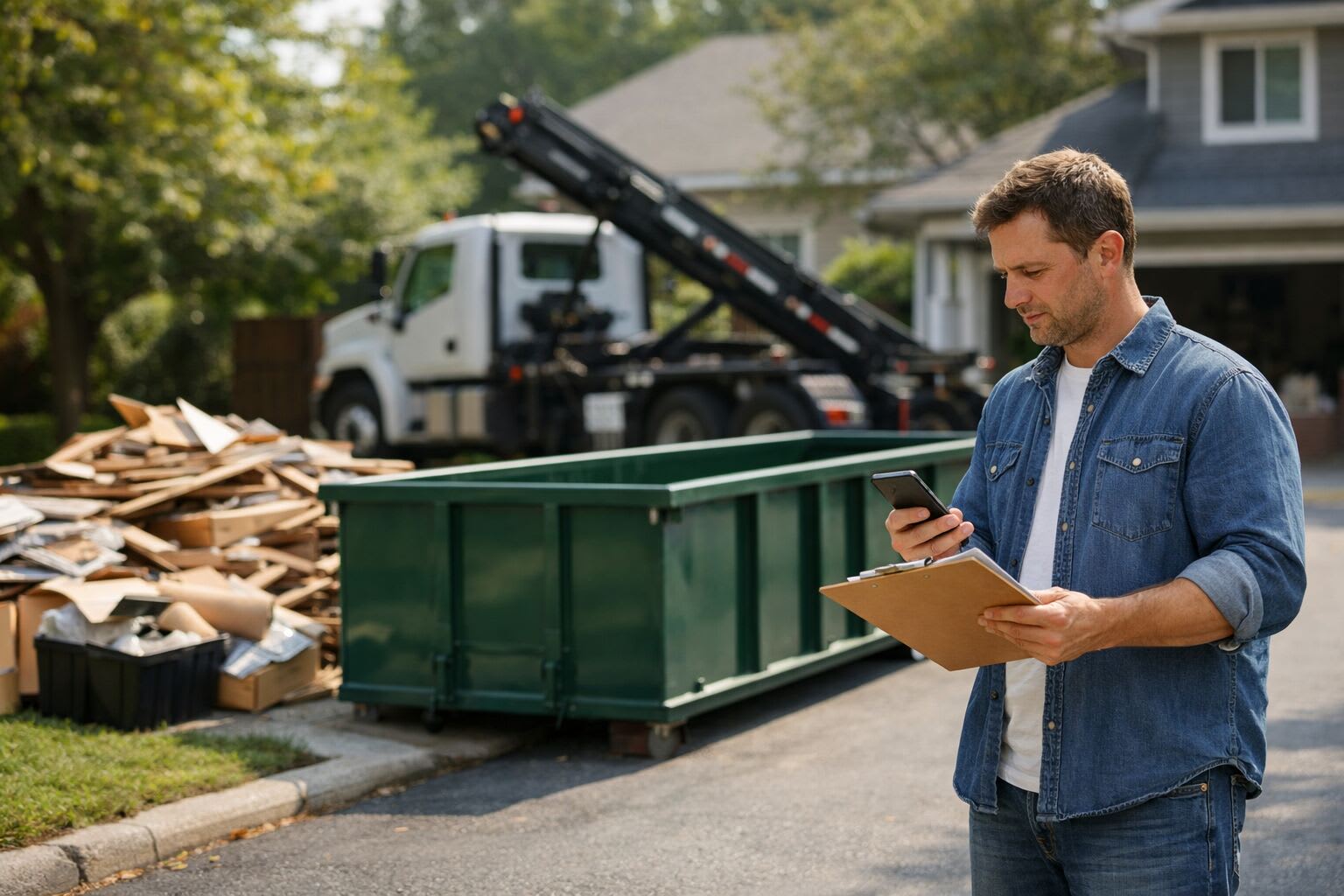
Renting a dumpster sounds easy… until it isn’t. Wrong size. Extra fees. Permit problems. Pickup delays. Suddenly, a “simple rental” turns into a headache you didn’t plan for.
Most people rent a dumpster only once or twice in their lives, which means they walk in blind. Rental companies don’t always explain the rules clearly, and one small mistake can cost you time, money, or both. That’s why so many renters end up frustrated halfway through their project.
But don’t worry, this dumpster rental guide exists so that nothing happens to you. Here, you’ll learn exactly how to rent a dumpster the right way, from choosing the correct size and understanding pricing, to preparing for delivery, loading safely, and scheduling pickup without stress. No confusing terms. No hidden steps. Just clear answers and real guidance.
Read this before you book, it can save you more than you think.
How to Rent a Dumpster the Right Way From Start to Finish
Renting a dumpster doesn’t have to feel confusing or overwhelming when you know the process ahead of time. From choosing the right size to scheduling delivery and pickup, each step plays a role in keeping your project on track.
Deciding between dumpster rental vs junk removal also helps you to match the right option to your needs and budget. A dumpster works best for ongoing cleanouts or renovations, while junk removal is ideal for quick, one-time pickups.
Knowing this early helps you save time, avoid extra costs, and finish your project smoothly.
Step 1: Choose the Right Dumpster Size for Your Project
Picking the right dumpster size sets the tone for your entire project. A size that’s too small leads to overfilling and extra charges. A size that’s too large wastes money and space. Match the dumpster to the type and volume of debris you plan to remove.
| Dumpster Category | Best For | Typical Size | Capacity (Pickup Loads) | Project Compatibility |
|---|---|---|---|---|
| Small Dumpsters for Light Cleanouts | Garage cleanouts, yard waste, small renovations | 10-yard | About 3 loads | Fits well in small driveways, works for light household debris, often fills faster than expected |
| Medium Dumpsters for Interior Home Projects | Room remodels, flooring removal, roof tear-offs | 15-yard | 4–5 loads | Popular for decks, fences, basement cleanouts, often used for light demolition |
| Large Dumpsters for Renovations and Moving | Major cleanouts, home renovations, moving projects | 20-yard | About 6 loads | One of the most requested sizes, handles furniture, drywall, cabinets, bulky debris |
| Extra-Large Dumpsters for Big Residential Jobs | Large cleanouts, remodeling, community projects | 30-yard | About 9 loads | Works well for office cleanouts and neighborhood projects, reduces overflow issues |
| Maximum-Capacity Dumpsters for Commercial Use | Construction sites, large-scale commercial projects | 40-yard | Highest capacity | Designed for heavy debris, demolition waste, long-term and high-volume jobs |
Smart tip: When deciding between two sizes, choose the larger one. The small price difference often saves you from overfilling, delays, and added fees.
Step 2: Check Pricing and Book Your Dumpster
Before you book, take a close look at the dumpster rental cost, not just the number on the screen, but what that price actually includes. Costs vary based on dumpster size, rental length, weight limits, and your location. A lower upfront price can rise quickly if the weight limit runs out or extra days get added.
Compare sizes carefully and match them to your project timeline. Make sure the quoted price covers delivery, pickup, landfill fees, and the standard rental period. Ask about overage charges so there are no surprises once the dumpster fills up.
When everything lines up, reserve your dumpster early. Confirm the delivery date, placement details, and rental duration so your project stays on schedule and your budget stays intact.
Step 3: Prepare for Dumpster Delivery Like a Pro
Dumpster delivery day can go smoothly or turn into a delay based on how well you prepare. A few minutes of planning now saves hours of frustration later.
Choose a flat, solid surface for placement. Driveways, parking pads, and paved areas work best. Avoid soft ground, slopes, or tight corners that make placement difficult. Measure the space before delivery so the dumpster fits without blocking garages, sidewalks, or access points.
Clear the delivery path completely. Remove cars, equipment, low-hanging branches, and debris that could block the truck. Delivery trucks need room to maneuver, tilt, and set the container down safely.
Check permit rules early. A permit is often required when placing a dumpster on a street, sidewalk, or public space. Local rules vary, and skipping this step can lead to fines or forced removal. When in doubt, call your city office or ask your rental provider before delivery day.
A clean site, clear access, and proper permits keep your project moving without delays, damage, or surprise issues.
Step 4: Fill Your Dumpster Safely and Make Every Inch Count
This step separates a smooth rental from an expensive mistake. When learning how to rent a dumpster, proper loading matters just as much as size and pricing.
Start with heavy items first. Place furniture, appliances, drywall, and concrete at the bottom to keep the weight balanced. Spread materials evenly from side to side so the dumpster stays stable during loading and pickup. Tossing everything in one corner creates safety risks and weight issues.
Always stay below the fill line. Debris sticking out leads to extra fees, failed pickups, or forced unloading. Break down bulky items and stack them tightly to use space wisely without piling too high.
Follow disposal rules closely. Never throw hazardous or restricted items into the dumpster. Items like paint, chemicals, tires, batteries, and electronics can trigger fines or service refusal. When in doubt, ask before loading.
Loading the right way saves money, protects workers, and keeps your project moving without delays.
Restricted Items Checklist: What Not to Put in Your Dumpster
| Restricted Item Category | Examples | Why It’s Not Allowed | What to Do Instead |
|---|---|---|---|
| Liquids & Chemicals | Paint, stains, solvents, pesticides | Can leak, contaminate landfills, and violate disposal laws | Take it to a local hazardous waste drop-off |
| Automotive Fluids | Oil, fuel, antifreeze | Hazardous to handle and illegal in standard dumpsters | Use auto shops or recycling centers |
| Batteries | Car batteries, lithium batteries | Fire risk and environmental harm | Use auto shops or recycling centers |
| Tires & Rubber | Tires, rubber tracks | Require specialized recycling | Return to tire retailers or recycling sites |
| Pressurized Items | Propane tanks, aerosol cans | Explosion risk during transport | Exchange or refill at approved vendors |
| Medical Waste | Sharps, medical disposables | Health and safety risks | Use medical waste disposal services |
| Hazardous Materials | Asbestos, radioactive items | Health and safety risks | Hire licensed hazardous waste handlers |
| Hazardous Materials | Fireworks, ammunition | Severe safety hazards | Contact local disposal authorities |
Step 5: Schedule Pickup and Close the Job the Right Way
This final step decides whether your project ends clean or drags on longer than it should. Once the dumpster is full and your work wraps up, don’t wait; request pickup right away. Leaving a full dumpster sitting too long can lead to extra daily charges or block access you still need.
If your project runs longer than planned, ask for an extension before the rental period ends. Extending early costs far less than surprise overage fees or forced pickup. A quick call or online request keeps everything on schedule.
Before pickup, double-check the load. Make sure debris stays below the fill line, restricted items stay out, and nothing blocks access to the dumpster. Clear paths help the truck lift and haul safely.
A properly scheduled pickup ensures waste gets removed on time and handled responsibly. That’s how you finish strong, no delays, no fines, no last-minute stress.
Conclusion
Knowing how to rent a dumpster the right way makes every project easier from start to finish. When you choose the right size, understand pricing, prepare for delivery, load safely, and schedule pickup on time, you avoid delays, extra fees, and stress. Each step works together to keep your cleanup or construction project on track.
A little planning up front saves money and prevents common mistakes. Whether you’re cleaning out a home, remodeling a space, or managing a larger job, the right dumpster setup keeps waste under control and work moving forward.
When you’re ready to get started, take the next step with confidence. Book your dumpster early, follow local rules, and finish your project clean, fast, and hassle-free.
FAQs About How to Rent a Dumpster
How do you rent a dumpster?
You choose a dumpster size, check pricing and weight limits, schedule delivery, load your debris, and request pickup when done.
How to order a dumpster?
You can order a dumpster online or by phone. You’ll need your address, project type, delivery date, and preferred dumpster size.
How far in advance should I place a dumpster order?
Order your dumpster a few days early. Busy seasons fill up fast, especially for popular sizes.
How long can I keep a rented dumpster?
Most rentals include a set number of days. You can extend the rental if you need more time.
Do I need a permit to rent a dumpster?
You don’t need a permit for driveway placement. Street placement often requires a city permit.
Is dumpster rental better than junk removal?
Dumpster rental works best when you need time to load debris. Junk removal is better for fast, one-time pickups.
Shushmita Karmakar is an experienced content writer at Wecycle, with over 3 years of expertise creating clear, helpful, and SEO-focused content. She specializes in writing about junk removal, recycling, and sustainable waste solutions, helping readers make informed, eco-friendly choices. Her work combines practical insights with an easy-to-read style that connects with both homeowners and businesses.
Read our latest blog posts


Need junk gone fast? See pricing in your area
Enter your zip code to see if Wecycle operates in your location.