BLOG / HOW TO
How Much Does Appliance Removal Cost?
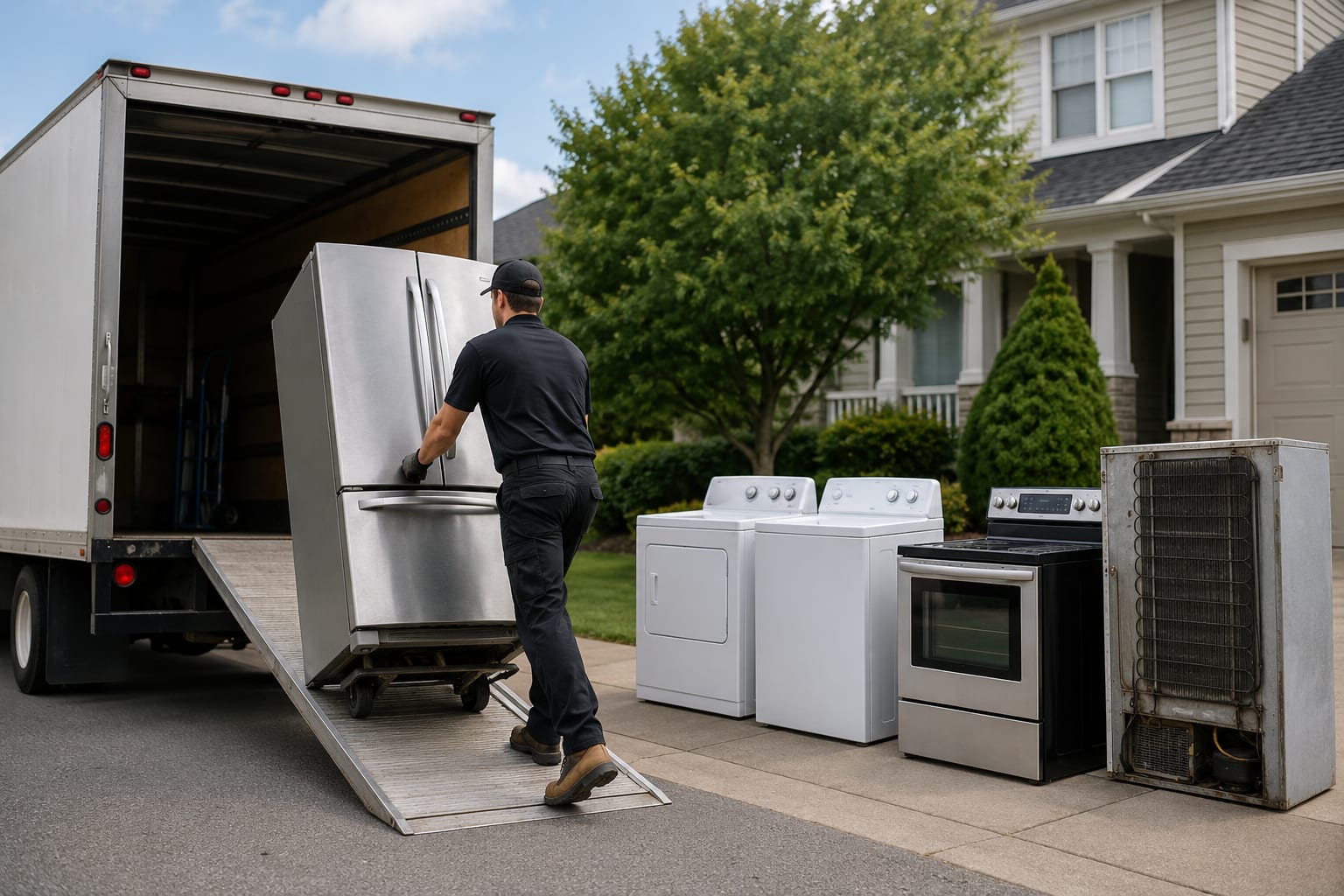
Old appliances are easy to replace but harder to get rid of. The cost of removal is often unclear until you start calling for quotes.
A broken fridge, a worn-out washer, or an old stove usually ends up in the same situation. It needs to be removed, but pricing is not straightforward. One company may quote under $100. Another may charge more than $200 for a similar job.
The difference comes from how the work is done. Appliance removal is not a fixed-price service. The cost depends on location, weight, and disposal requirements.
A pickup from a garage is simple. A refrigerator carried down apartment stairs takes more time and effort. Some appliances also require special disposal, which adds to the price.
This guide explains what appliance removal typically costs, what affects pricing, and how to choose the right option for your situation.
What is Appliance Removal Cost?
Appliance removal cost refers to the fee charged by junk removal companies or haul-away services to pick up, transport, and dispose of old household appliances.
This service typically includes:
- Heavy lifting and loading
- Transportation
- Proper disposal or recycling
It is commonly used when homeowners are:
- Replacing old appliances with new ones
- Moving out of a home
- Renovating kitchens or laundry areas
- Clearing out unwanted bulky items
Average Appliance Removal Cost (Quick Breakdown)
Most homeowners in the U.S. pay between $60 and $180 per appliance for professional removal. The final price depends on the type of appliance and how difficult it is to remove from the property.
Simple pickups, such as items placed near a garage or curb, usually fall on the lower end of the range. More involved jobs, such as carrying appliances from inside the home or down the stairs, usually cost more.
Here is a general idea of typical pricing:
- Refrigerator or freezer: $100 to $300
- Washer or dryer: $75 to $200
- Oven or stove: $75 to $150
- Dishwasher: $75 to $150
- Small appliances: $50 to $100
Most people end up paying around $100 to $150 for a standard single appliance pickup.
In larger cities like New York or nearby New Jersey areas, prices often trend higher. Parking restrictions, apartment access, and labor time usually increase the total cost.
Read Also: How to Dispose of Small Appliances
Appliance Removal Cost Factors
Appliance removal cost is not fixed because every job has different conditions. Companies calculate pricing based on labor, access, disposal rules, and time required.
Below is a clear breakdown of the main factors that affect appliance removal cost pricing, along with realistic price ranges.
1. Type and size of appliance (biggest cost driver)
The appliance itself has the strongest impact on pricing. Larger and heavier units require more labor and sometimes special disposal.
| Appliance Type | Typical Removal Cost |
|---|---|
| Refrigerator / Freezer | $100 – $300 |
| Washer/Dryer | $75 – $200 |
| Stove/Oven | $75 – $150 |
| Dishwasher | $75 – $150 |
| Small appliances | $50 – $100 |
Calculate Your Junk Removal Cost
Calculator2. Home access and removal difficulty
Where the appliance is located plays a major role in appliance removal cost. Even the same appliance can cost very different amounts depending on how easy it is to reach and remove from the property.
| Location type | Cost impact |
|---|---|
| Curbside or garage | Lowest cost ($60 – $100) |
| Ground floor inside the home | Standard cost ($80 – $150) |
| Upstairs/basement | Higher cost ($120 – $250+) |
| Tight hallways or narrow stairs | Highest cost ($150 – $300+) |
3. Labor and time required
Labor is one of the most important factors in appliance removal cost because you are essentially paying for the time and effort required to physically remove the appliance from your home and load it onto a truck.
Even if two appliances are similar, the final cost can change a lot depending on how difficult the removal process is.
Labor-based pricing impact
- Simple removal: $60 – $120
- Moderate effort (inside home): $100 – $180
- Complex removal (stairs, heavy lifting): $150 – $300
What increases labor cost
- Carrying appliances long distances
- Protecting floors and walls
- Disconnecting built-in units
4. Disposal and recycling fees
Some appliances require special handling after removal, which adds to the overall cost of disposing of old appliances. This is not about transport or labor. It is about how the appliance must be processed once it leaves your home.
Certain items contain materials or chemicals that cannot be dumped like regular trash. These require regulated recycling or certified disposal, which increases the final price.
| Appliance type | Additional cost factor |
|---|---|
| Refrigerators | $20 – $75 (refrigerant handling) |
| AC units | $20 – $60 (coolant removal) |
| Large appliances | $10 – $40 recycling fee |
5. Number of appliances being removed
Removing multiple appliances in a single pickup is usually more cost-efficient than scheduling separate visits. Most companies structure pricing to reduce the per-item cost when the job size increases.
Cost comparison
- Single appliance: $100 – $150
- Two appliances: $150 – $250 total
- Three+ appliances: discounted per-item pricing
6. Location and regional pricing differences
Where you live has a direct impact on appliance removal cost. The same refrigerator removal job can cost significantly less in a small town compared to a major city due to labor rates, travel conditions, and disposal logistics. You can find local pickup services.
| Location type | Typical cost per appliance |
|---|---|
| Small towns | $60 – $120 |
| Suburban areas | $80 – $150 |
| Major cities (NYC, NJ, LA, SF) | $120 – $300 |
Why cities cost more
- Parking restrictions
- Higher labor rates
- Disposal facility fees
- Travel time between jobs
7. Service speed (standard vs urgent pickup)
How quickly you need appliance removal plays a direct role in the final cost. Most companies build their schedules around planned routes, so last-minute or urgent requests require reshuffling jobs and adding extra resources.
| Service type | Typical cost impact |
|---|---|
| Scheduled pickup | $80 – $150 (base rate) |
| Same-day service | +$20 – $75 extra |
| Emergency or after-hours pickup | Highest pricing tier |
Know more: How Much Does Junk Removal Cost in 2026
6 Ways You Can Save Money on Appliance Removal
Appliance removal cost can vary widely, but there are practical ways to reduce what you pay. Most savings come from planning ahead and choosing the right service option for your situation.
1. Bundle multiple appliances in one pickup
Removing more than one appliance in a single visit usually lowers the cost per item. Companies charge less when labor and travel are shared across multiple items.
For example, removing a washer and dryer together is often cheaper than scheduling two separate pickups.
2. Choose curbside or garage pickup when possible
If you can safely move the appliance closer to the exit, you can reduce labor charges.
- Curbside or garage placement is the lowest cost
- Inside-home pickup = standard pricing
- Stairs or basement removal = higher cost
Even small improvements in access can reduce appliance removal costs.
3. Schedule removal with appliance delivery
Many retailers offer discounted or low-cost haul-away services when you buy a new appliance. This is often one of the cheapest options available.
It also saves you from booking a separate service.
4. Compare multiple local quotes
Prices for appliance removal can vary between companies in the same area. Getting at least two or three quotes helps you avoid overpaying.
This is especially useful in larger cities where pricing is less standardized.
5. Avoid urgent or same-day service
Faster service usually comes with higher fees. If your timeline is flexible, scheduling a pickup in advance can reduce costs.
Same-day or emergency removal should only be used when timing is critical.
6. Check recycling centers or donation options
If the appliance still works, some donation centers may accept it for free pickup. Recycling centers may also charge a little to nothing, depending on the item.
This can significantly reduce or eliminate the cost of disposing of old appliances.
Read Also: How to Dispose of an Old Air Fryer
Conclusion
Appliance removal cost is not a fixed number. It depends on how and where the job is done. Most homeowners pay between $60 and $180 per item, but the final price can shift based on labor, access, appliance type, and disposal requirements.
The biggest cost differences usually come from practical factors rather than the appliance itself. A refrigerator in a garage is far cheaper to remove than the same unit in a third-floor apartment. Similarly, bundling multiple appliances or choosing scheduled pickup can noticeably reduce the overall cost.
The best way to avoid overpaying is to understand what drives pricing before booking a service. Once you know how labor, location, and disposal affect appliance removal cost, it becomes much easier to choose the right option for your situation.
If you are looking for a simple and reliable way to handle old appliance disposal, GetWeCycle helps with hassle-free appliance pickup and responsible recycling. Book your appliance pickup today.
FAQs
1. How much does appliance removal cost?
Appliance removal cost usually ranges from $60 to $180 per item. The final price depends on the appliance type, location inside the home, labor required, and disposal fees.
2. Why is refrigerator removal more expensive?
Refrigerators cost more to remove because they are heavy and contain refrigerants that require regulated disposal. This increases both labor and recycling costs.
3. What is the cheapest way to get rid of old appliances?
The cheapest option is usually taking the appliance to a local recycling center or using a retailer's haul-away service when buying a replacement appliance.
4. Do appliance removal companies charge extra for stairs?
Yes. Stairs, basements, and tight spaces usually increase appliance removal cost because they require more labor and time to safely move the appliance.
5. Can I remove old appliances myself to save money?
Yes, but DIY appliance removal may still involve truck rental fees, disposal costs, and heavy lifting. Professional removal is often safer and more convenient for large appliances.
6. Is it cheaper to remove multiple appliances at once?
Yes. Most companies offer discounted pricing when removing multiple appliances in one trip because labor and transportation costs are shared.
Sabbir Kabir is a content manager at WeCycle with over 5 years of experience in creating content about junk removal services, eco-friendly waste disposal, and sustainable recycling practices. Passionate about promoting environmental responsibility, Sabbir shares actionable insights to help homeowners and businesses adopt greener, cleaner waste management solutions.
Read our latest blog posts



Need junk gone fast? See pricing in your area
Enter your zip code to see if Wecycle operates in your location.