BLOG / HOW TO
How to Dispose of an Air Conditioner Safely
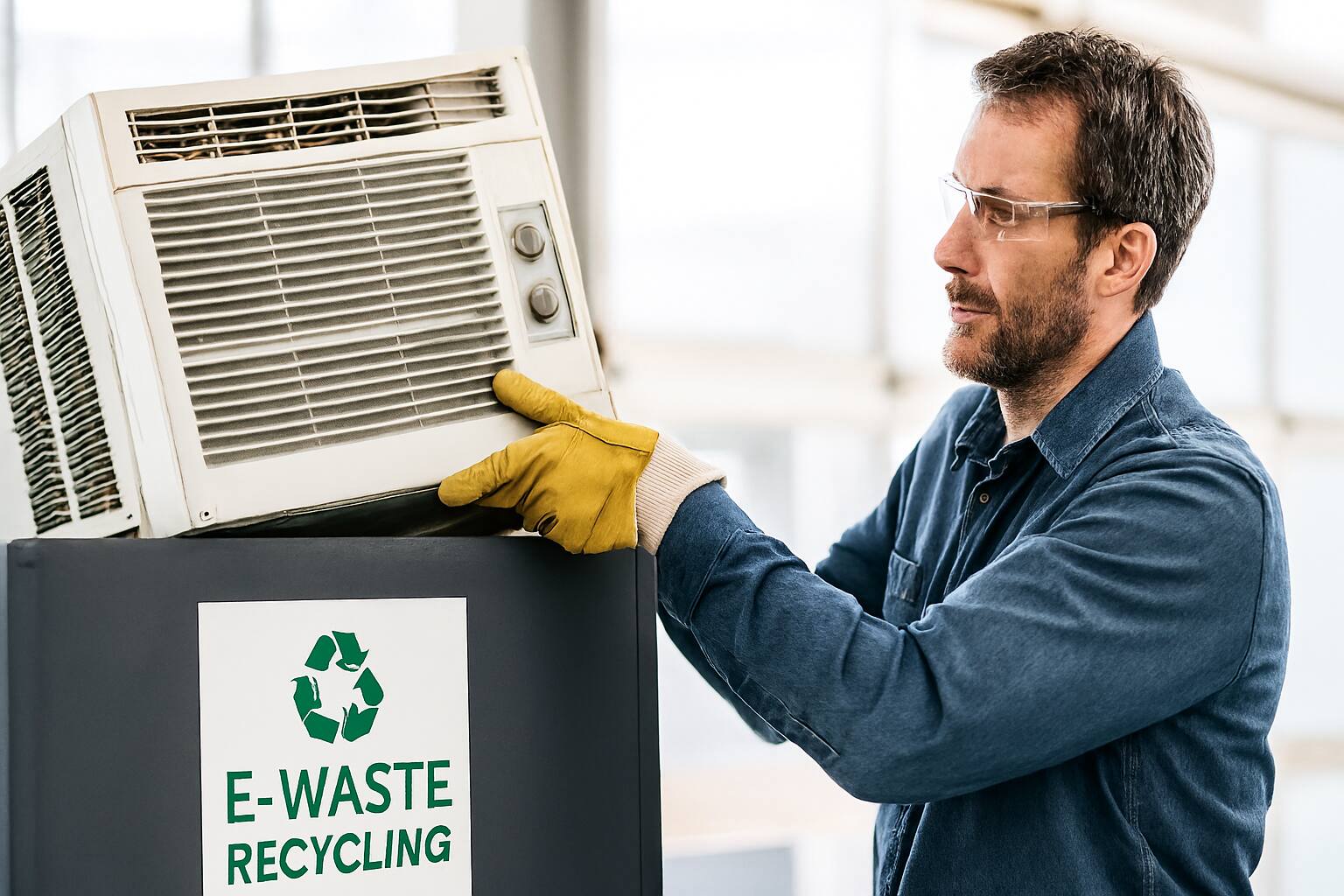
At some point, air conditioners break down so badly that fixing them isn't worth it. Homeowners need to know how to get rid of an air conditioner safely and legally. AC units have refrigerants, oils, metals, and electronic parts in them that are not allowed to be thrown away with regular trash. Because of this, most cities in the U.S. don't let people put air conditioners on the curb or throw them away in regular trash cans.
It's important to follow the right steps when getting rid of an old window air conditioner, upgrading a portable unit, or taking out a through-the-wall system. This helps keep the environment safe, stops refrigerant leaks, and makes sure you follow EPA and local rules. In this comprehensive article we are going to discuss how to dispose of an air conditioner.
Why You Can't Put an Air Conditioner in the Trash
Air conditioners are considered regulated appliance waste. This means that you can't throw them away with your normal trash. The primary reason is that they contain refrigerants such as Freon (R-22) or R-410A, which must be handled by certified professionals due to their environmental harm and potential danger.
Refrigerants Needs Special Recovery
Refrigerants can help with:
- ozone loss
- emissions of greenhouse gases
- pollution of the air and soil
Under the Clean Air Act, a certified technician must take these refrigerants out before they can be recycled or thrown away.
AC Units Contain Hazardous Oils & Components
You can usually find the below things inside an air conditioner:
- oil for the compressor
- capacitors
- a mix of metals parts for electronics
These materials must be separated and processed at approved facilities to keep the environment safe.
Local Sanitation Departments Typically Will Not Accept Them
Most waste management services in the US won't take AC units because
- You need to be certified to recover refrigerant.
- Certain parts are not allowed in landfills.
- People who throw things away the wrong way can get fines, as can haulers.
Improper Disposal Can Lead to Penalties
In a lot of states, letting out refrigerants or throwing away an AC in the wrong way can lead to:
- fines
- citing
- fines for breaking environmental laws
These rules make it necessary to throw things away properly.
How to Prepare an Air Conditioner for Disposal
Before getting rid of an old air conditioner, take a few precautions to protect yourself, prevent damage, and make the recycling process easier. Whether you're disposing of a window AC unit or a portable air conditioner, proper preparation helps ensure the appliance can be collected and processed safely.
Step 1: Turn Off and Disconnect the Air Conditioner
Start by switching off the air conditioner and unplugging it from the electrical outlet. If you have a hardwired system, arrange for a qualified professional to disconnect the electricity safely.
Allow the unit to cool down before attempting to move it. Never handle exposed wiring or try to disconnect a central air conditioning system without professional assistance.
Step 2: Remove Accessible Water and Detachable Accessories
Some portable air conditioners contain condensate collection tanks or drainage hoses. Empty any collected water according to the manufacturer's instructions to prevent spills during transportation.
Remove easily detachable accessories, such as remote controls or exhaust hoses, if the recycling facility asks you to separate them. Keep the main appliance intact, especially the sealed refrigerant system.
Step 3: Leave Refrigerant Removal to Qualified Professionals
Air conditioners contain refrigerants that must be recovered properly before final disposal. Depending on the appliance and disposal arrangement, refrigerant recovery may be performed by an appropriately equipped recycling facility or qualified HVAC professional.
Never cut refrigerant lines, puncture the compressor, or deliberately release refrigerant into the atmosphere. The U.S. Environmental Protection Agency (EPA) regulates refrigerant recovery and prohibits improper venting.
You generally do not need to remove refrigerant yourself before arranging a pickup with a provider that accepts intact AC units. Confirm the provider's acceptance and recovery procedures first.
Step 4: Check the Unit for Damage or Refrigerant Leaks
Inspect the exterior for visible damage before moving your old air conditioner. Look for damaged tubing, loose components, and signs of an oil leak.
If you suspect a refrigerant leak, avoid operating or dismantling the appliance. Ventilate the area if safe, keep potential ignition sources away, and contact a qualified professional for guidance.
Step 5: Confirm Your Recycling or Pickup Arrangements
Before transporting the appliance, confirm that your chosen recycling center or junk removal service accepts air conditioners.
Ask whether you need an appointment, whether refrigerant recovery is included, and whether any handling or recycling fees apply.
Preparing your AC unit in advance can reduce delays and help make the disposal process safer and more convenient.
How to Get Rid of an Air Conditioner: The Best Ways
When you throw away an air conditioner, you need to follow the rules set by the EPA and your local government. These are the most common and reliable ways to get rid of things in the United States.
1. Set up a time for the pickup of your appliances for recycling
Many cities and private recycling companies will pick up appliances that contain refrigerants.
This choice is helpful if:
- you want to pick up at the door
- You can't move the AC by yourself.
- Your city has a set schedule for recycling large items.
Before making an appointment, make sure that the service includes recovering refrigerant and processing that meets EPA standards.
Learn more: How Wecycle is Changing the Junk Removal Industry
2. Take it to an EPA-approved center for recycling appliances.
Facilities that are EPA-certified have the tools and licenses. They need to safely remove refrigerants and process the rest of the materials.
Places that usually take AC units are:
- centers for recycling appliances
- places to throw away household hazardous waste
- scrap metal yards that have certified technicians on staff
These centers separate metals, electronics, and oils so that each part is handled in the right way.
3. AC Recycling & Rebate Programs from Utility Companies
Many energy companies in the US have appliance recycling programs to get people to get rid of old, inefficient appliances. Depending on where you live, these programs may offer:
- pickup for free
- a cash back offer
- credits on energy bills
Utilities like PG&E, ComEd, DTE Energy, and PSE&G have offered these programs, but they are not available in every state. You can find out about current options by looking for "appliance recycling" or "AC turn-in program" on your utility provider's website.
4. Programs for Retailers to Pick up Items
When you buy a new air conditioner or set up delivery, many big stores will pick it up or recycle it for you.
Some well-known stores that might take old air conditioners are:
- Best Buy
- Lowe's
- The Home Depot
Some companies offer this service for free, including installation, while others charge a small fee. Retailer programs make sure that a certified recycling partner properly handles the AC.
5. Give it Away if it Still Works.
If your air conditioner still works, donating it is a good option that is also good for the environment. Many groups will take working window or portable AC units, such as:
- Restores for Habitat for Humanity
- Some local nonprofits
- Shelters or community centers (depends on where you are)
Always call ahead to make sure you know the rules for accepting people, since some places can't because of safety or electrical rules.
6. Services for Removing Junk Professionally
Licensed junk removal companies can take care of everything, from picking up your junk to making sure it gets recycled properly. This choice is best when:
- The unit is heavy.
- The air conditioning unit is put in through a wall.
- You want a quick, planned removal.
Prices usually range from $75 to $150, depending on where you live and how big the unit is.
Know more: How do you dispose of old TVs
How to Dispose of Different Types of Air Conditioners
Different types of air conditioners need different methods to be safely taken down and thrown away. The steps below show how to deal with window units, portable ACs, and through-the-wall systems in a way that follows EPA and local rules.
How to Get Rid of a Window Air Conditioner
In the United States, window air conditioners are one of the systems that get replaced the most. They are smaller than other types, but they still have regulated refrigerants in them, so you should be careful with them.
- Unplug the unit and take it out safely. Take the AC out of the window carefully, holding it up so it doesn't fall.
- Look for ways to recycle. Most EPA-certified appliance recyclers and municipal drop-off sites will take window ACs.
- Don't throw it away on the curb. Because of the refrigerants, most cities don't let you throw away window units with regular trash.
- If you're buying a new one, use a haul-away program. When you get your new unit, stores like Best Buy or Home Depot may pick up your old one.
- If they still work, it's also easy to give away or sell window units, especially in the summer.
How to Get Rid of a Portable Air Conditioner
Even though portable ACs are heavier and bulkier than window units, they still need to be thrown away in the same way because they have refrigerants and electronics in them.
- Pick up old appliances. Best if you don't want to move the unit.
- Take to certified recycling centers. Many programs for hazardous waste from homes will take portable units.
- Services for hauling away items from stores. Usually available when you buy a new AC.
- Incentives for recycling utilities. Some energy companies offer rebates on portable air conditioners.
- Certified recovery is very important for portable air conditioners because they have bigger refrigerant tanks.
Read Also: Hazardous Waste Disposal Cost
What to Do With Old Wall/Through-the-Wall Units
It takes a little more work to remove through-the-wall AC systems, and it's best to get professional help to do it safely.
- Set up a professional removal. These units are put right into the wall and connected to the electrical system.
- Use a recycling company that is certified. After you take it out, bring it to an appliance recycling center or set up a pickup.
- Look for programs that help retailers or get rid of junk. For your convenience, many services can take things away and recycle them at the same time.
- Because they are big and hard to put in, donation centers usually don't take through-the-wall units, even if they still work. Recycling is usually the best choice.
Know more: How to Dispose of Fluorescent Tubes the Right Way
How Professional Air Conditioner Removal and Pickup Works
Professional AC removal can be a convenient alternative when your old appliance is too heavy to transport or you don't have access to an appropriate recycling facility.
The exact process varies by company, but it generally follows a few straightforward steps.
Step 1: Check Local Service Availability
Start by entering your ZIP code on the junk removal provider's website or contacting its customer service team.
Confirm whether the company accepts window air conditioners, portable AC units, or other cooling equipment in your area.
Step 2: Request a Removal Quote
Provide details about the appliance, including its type, approximate size, location, and whether it is already disconnected.
Ask whether the estimate includes lifting, transportation, recycling fees, and other applicable charges.
Step 3: Prepare the Appliance for Collection
Ensure that the unit is switched off and accessible to the collection team. For portable air conditioners, empty any removable condensate tank if the manufacturer recommends doing so.
Do not dismantle refrigerant-containing components. If your air conditioner requires HVAC or electrical disconnection, arrange that work with a qualified professional before pickup.
Step 4: Arrange Pickup and Responsible Disposal
On the scheduled collection date, the removal provider collects the accepted appliance and transports it to an appropriate destination.
Depending on the appliance's condition and the provider's arrangements, it may be delivered for reuse, recycling, or compliant disposal.
Ready to get rid of your old air conditioner? Visit WeCycle to check service availability, explore your junk removal options, and request a quote. Confirm AC acceptance and any disconnection requirements when booking.
Conclusion
Air conditioners need specialized disposal because of the refrigerants, oils, and electrical components they contain.Following the correct EPA-approved methods, such as scheduling a pickup, using a certified recycling center, or choosing a retailer haul-away, helps protect the environment and keeps you in line with local laws. The best way to get rid of your unit will depend on what kind it is, but the goal is always the same: safe, responsible disposal.
When you’re ready to get rid of your old AC, WeCycle makes the process straightforward. Sign up today for a pickup for safe, responsible air conditioner disposal.
Frequently Asked Questions
Can I throw my air conditioner in the regular trash?
No. Air conditioners contain refrigerants, oils, and electronic components that make them regulated waste. They must be recycled or handled by certified disposal services, not placed in curbside trash.
Who removes refrigerant from an air conditioner?
Only a certified HVAC technician or an EPA-approved recycling facility can legally remove refrigerants. It’s illegal for homeowners to release or remove refrigerants themselves.
Does my city offer free AC pickup?
Some U.S. cities provide free or low-cost bulky appliance pickup, but many require the unit to be processed by a certified recycler first. Always check your local sanitation department’s rules.
Where can I take an old air conditioner for recycling?
You can drop off AC units at appliance recycling centers, household hazardous waste facilities, scrap metal recyclers with certified techs, or EPA-certified disposal sites.
Do utility companies offer AC recycling programs?
Yes. Many U.S. utility companies offer rebate or haul-away programs for old AC units. Availability varies by state, so check your provider’s website for current offers.
Tabassum Kabir is a content writer who enjoys digging into new topics and turning her findings into clear, useful content. She keeps her writing simple, honest, and easy to follow, making her work engaging for any reader.
Read our latest blog posts



Need junk gone fast? See pricing in your area
Enter your zip code to see if Wecycle operates in your location.